Hey there, electrical innovators! The pace of change in our field is just wild, isn’t it? One minute we’re mastering classic circuits, and the next we’re navigating smart grids, EV charging, and even AI integration.
Keeping your skills sharp with the right certifications isn’t just about compliance anymore; it’s your ticket to staying relevant and truly excelling.
I’ve been exploring the newest tech certifications that are reshaping the electrical landscape, and trust me, you won’t want to miss what they mean for your career.
Ready to electrify your expertise and future-proof your path? Let’s dive in and light up your knowledge!
Boosting Your Blueprint with Smart Grid Expertise
The energy landscape is shifting dramatically beneath our feet, and honestly, it’s exhilarating! Gone are the days when an electrical system was just a one-way street from power plant to consumer. Now, with smart grids, we’re talking about a dynamic, two-way flow of electricity and information. Mastering this domain isn’t just about keeping up; it’s about being at the forefront of innovation. I’ve personally seen how understanding smart grid technologies can transform a routine job into a complex, satisfying puzzle where you’re optimizing energy use, integrating renewables, and even predicting outages. It’s a whole new ballgame, requiring a blend of traditional electrical knowledge with a keen grasp of digital communication, data analytics, and cybersecurity. For anyone looking to truly stand out, diving into smart grid certifications is an absolute must. They equip you with the skills to design, implement, and maintain the intelligent infrastructure that’s becoming the backbone of our power delivery. My journey into smart grids felt like stepping into the future, and the opportunities it opened up were incredible, from working on advanced utility projects to advising on microgrid developments for commercial clients. You’ll find yourself becoming an indispensable asset in an industry desperate for this specialized expertise.
Understanding Networked Electrical Systems
What I’ve come to appreciate most about smart grids is their intricate networking. It’s not just wires and breakers anymore; it’s sensors, smart meters, and communication protocols all working in harmony. A good certification in this area really breaks down how these components interact, how data flows, and what that means for grid stability and efficiency. It’s about more than just installation; it’s about systemic thinking. I remember one project where we had to integrate a new solar farm into an existing smart grid. Without a solid understanding of the communication layers and control systems, that would have been a nightmare. But with the right knowledge, we could ensure seamless data exchange and optimal power distribution. These certs delve into topics like SCADA systems, advanced metering infrastructure (AMI), and distributed energy resource (DER) management. Trust me, getting a handle on these concepts makes you invaluable.
Implementing Advanced Grid Controls
Beyond just understanding the network, the real magic happens when you start implementing advanced controls. This is where you learn to optimize grid performance, predict and prevent failures, and manage energy loads intelligently. Certifications often cover demand response programs, fault detection, isolation, and restoration (FDIR), and even machine learning applications for grid operations. It’s truly empowering to work with systems that can self-heal or proactively manage energy consumption during peak hours. I once helped a client set up an automated system that adjusted their industrial processes based on real-time energy prices and grid demand. The cost savings were significant, and it was all thanks to the advanced control strategies I learned through my smart grid training. These skills aren’t just for utilities; they’re becoming critical for large commercial and industrial facilities too, making you a versatile expert.
Powering Up Your EV Charging Game
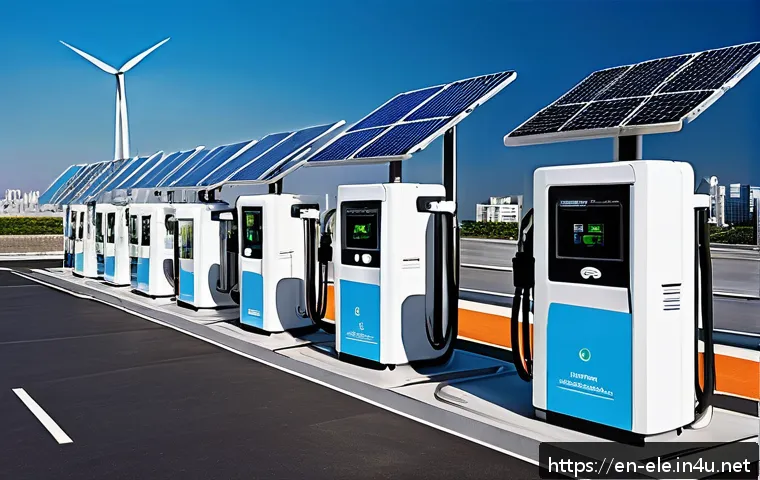
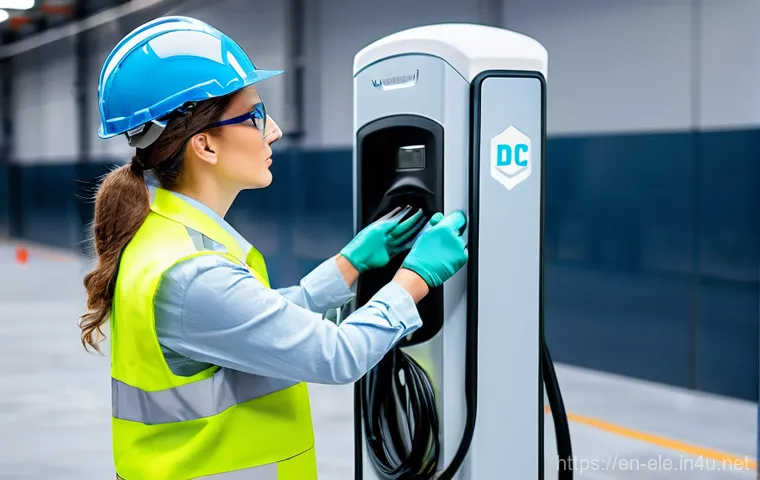
Electric vehicles are no longer a niche market; they’re dominating headlines and driveways across the country. And with this explosive growth comes an immense demand for robust, reliable EV charging infrastructure. For us electricians, this isn’t just a new trend; it’s a massive, burgeoning sector filled with opportunities. I’ve been involved in EV charging installations for years now, and the evolution has been astounding. From basic Level 2 home chargers to complex DC fast-charging stations for commercial fleets, the technology is constantly advancing, and so should our expertise. Getting certified in EV charging isn’t just a smart move; it’s practically a necessity to stay competitive and provide top-notch service. It’s about understanding everything from site assessment and load calculations to selecting the right equipment and ensuring compliance with rapidly evolving codes and standards. What I’ve found is that clients are looking for professionals who truly understand the nuances, not just someone who can pull wire. They want someone who can guide them through the process, explain the differences between charger types, and ensure future-proofing. This specialization will make you the go-to person in your area for all things EV charging.
Designing and Installing Charging Infrastructure
The core of EV charging expertise lies in the ability to design and install efficient and safe infrastructure. This isn’t just about putting a charger on a wall; it’s about evaluating electrical capacity, considering future expansion, and understanding local permitting requirements. My personal experience has shown me that proper planning at the outset saves a world of headaches down the line. Certifications in this area typically cover everything from residential setups to multi-unit dwellings and public charging hubs. You’ll learn about various charging levels (Level 1, 2, DC Fast Charging), connector types (J1772, CCS, NACS, CHAdeMO), and crucial safety protocols. One of the biggest challenges I faced early on was correctly sizing the electrical service for a large commercial parking garage. Without the specialized knowledge from a dedicated EVSE (Electric Vehicle Supply Equipment) training, I would have struggled to optimize the design and ensure it met future demands while staying within budget. These certifications really arm you with that critical foresight and technical know-how.
Understanding Advanced Load Management and Networked Systems
As EV adoption surges, simply installing chargers isn’t enough; managing the electrical load they demand becomes paramount. This is where advanced load management systems come into play, preventing circuit overloads and optimizing energy usage. Many modern EV charging certifications now emphasize understanding networked charging solutions, which allow for intelligent power distribution and billing. I’ve worked on projects where smart load balancing prevented expensive electrical service upgrades, proving the immense value of this expertise. These systems can dynamically adjust power to individual charging stations based on vehicle battery status, overall site demand, and even electricity pricing signals. For instance, I helped a condominium complex implement a system that prioritized charging for residents based on their scheduled departure times, ensuring everyone got a charge without straining the building’s electrical system. This kind of specialized knowledge is what differentiates a standard electrician from an EV charging specialist, offering a higher level of service and problem-solving capability to clients.
Unlocking the Potential of Renewable Energy Systems
Renewable energy isn’t just a buzzword anymore; it’s a rapidly expanding sector that’s fundamentally changing how we generate and consume power. Solar, wind, geothermal – these technologies are evolving at an incredible pace, and for electricians, they represent a fantastic opportunity to diversify skills and tap into a booming market. My journey into renewables started out of pure curiosity, but it quickly became one of the most rewarding areas of my career. The sheer satisfaction of helping a homeowner drastically cut their electricity bill with solar panels, or contributing to a large-scale wind farm project, is immense. However, working with these systems requires a very specific set of knowledge that goes beyond traditional wiring. You need to understand energy conversion, grid interconnection requirements, battery storage integration, and performance optimization. Certifications in renewable energy systems, especially solar PV, are absolutely crucial for ensuring safety, efficiency, and compliance. They provide the deep dive into the unique electrical characteristics and installation best practices that are vital for making these systems reliable and effective. I’ve often seen projects run into issues because the installers lacked a comprehensive understanding of how all the components interact. Becoming certified ensures you’re not just installing equipment, but engineering a complete, robust energy solution.
Mastering Solar Photovoltaic (PV) Installation and Design
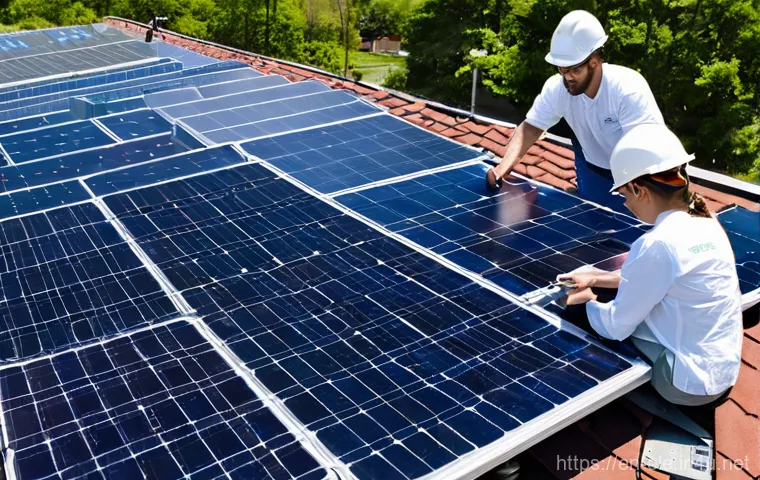
When it comes to renewables, solar PV is often the first thing that comes to mind, and for good reason. It’s accessible, scalable, and continues to grow at an exponential rate. My experience with solar installations has taught me that while the basics might seem straightforward, the devil is truly in the details. A solid solar PV certification covers everything from site assessment and shading analysis to array design, inverter selection, and crucial safety standards. You’ll learn about different panel technologies, mounting systems, and string sizing to optimize energy harvest. I vividly recall a residential solar project where the roof angle and existing obstructions made array placement tricky. My training helped me design an optimized layout that maximized energy production despite the challenges, ensuring the homeowner got the best possible return on their investment. These certifications also delve into the legal and regulatory aspects, like net metering agreements and incentive programs, which are vital for clients. It’s not just about electrical work; it’s about becoming a full-fledged solar consultant.
Integrating Battery Storage and Microgrid Solutions
While solar panels generate electricity, the ability to store that energy for later use, especially during outages or peak demand, is where true energy independence begins. This is why battery storage solutions are becoming increasingly important, and certifications focused on their integration are highly sought after. My personal insights from working on various projects confirm that pairing renewables with storage unlocks incredible resilience and efficiency. These certifications teach you about different battery chemistries, sizing storage systems, charge controllers, and seamless integration with both grid-tied and off-grid setups. Furthermore, the concept of microgrids, where localized energy sources (like solar and batteries) can operate independently or connected to the main grid, is revolutionizing energy reliability. I recently worked on a community microgrid project that combined solar, battery storage, and smart controls, providing uninterrupted power during a major grid outage. The ability to design and implement such complex systems, ensuring they are safe, efficient, and meet local codes, makes you a truly invaluable asset in the evolving energy landscape.
Mastering Industrial Automation and Control
The manufacturing and industrial sectors are undergoing a massive transformation, driven by automation, robotics, and intelligent control systems. For electricians, this means our roles are expanding beyond just maintaining power systems; we’re becoming key players in the operational efficiency and digital transformation of factories and facilities. I’ve spent a significant portion of my career troubleshooting and implementing industrial control systems, and I can tell you, it’s a dynamic and incredibly rewarding field. The precision, the logic, the sheer scale of some of these automated processes are captivating. Certifications in industrial automation and control are absolutely essential if you want to work on sophisticated machinery, programmable logic controllers (PLCs), human-machine interfaces (HMIs), and robotics. They provide the foundational knowledge to understand complex control algorithms, diagnose system failures, and integrate new technologies seamlessly. My experience has shown me that companies are desperately seeking electricians who can bridge the gap between traditional electrical work and cutting-edge industrial IT. This specialization opens doors to high-tech manufacturing plants, automated warehouses, and critical infrastructure projects, where your expertise will directly impact production and safety. It’s a challenging but deeply satisfying path for those who love problem-solving and working with intricate systems.
Programming and Troubleshooting Programmable Logic Controllers (PLCs)
At the heart of most industrial automation lies the PLC. These rugged, specialized computers control everything from assembly lines to water treatment plants. My personal journey with PLCs began with a healthy dose of intimidation, but once I dove into the programming logic and ladder diagrams, I found it incredibly intuitive and powerful. Certifications in PLC programming and troubleshooting are foundational. They teach you how to read schematics, write efficient code, and diagnose issues quickly, minimizing costly downtime. You’ll work with different PLC manufacturers like Siemens, Rockwell Automation, or Schneider Electric, understanding their unique programming environments. I once worked on a food processing plant where a PLC malfunction brought the entire production line to a halt. Thanks to my certification training, I was able to systematically troubleshoot the issue, identify the faulty logic, and get the plant back up and running within hours, saving the company significant losses. This skill is universally applicable across almost all industrial settings, making you an indispensable technician.
Integrating Robotics and Advanced Motion Control
Beyond PLCs, the integration of robotics and advanced motion control systems is defining the next generation of industrial automation. Modern certifications often include modules on robotic kinematics, sensor integration, and servo motor control. My experience working with robotic welding cells and automated pick-and-place systems has shown me the incredible precision and efficiency these systems offer, but also the complexity involved in their electrical and control integration. These systems require a deep understanding of electrical safety, precise wiring for delicate sensors and actuators, and communication protocols between different robotic components. I recall a project involving a new robotic assembly line where the initial setup was causing sporadic errors. My specialized knowledge helped identify subtle electrical noise issues and grounding problems that were interfering with the robotic arm’s delicate sensors, allowing us to implement the correct mitigation strategies. Being able to confidently install, program, and maintain these sophisticated systems is a huge differentiator in today’s industrial landscape, positioning you at the forefront of automation technology.
Fortifying the Grid: Cybersecurity for Electrical Systems
Here’s something that might surprise you, but it’s a reality we absolutely *have* to face: cybersecurity isn’t just for IT departments anymore. Our electrical grids, our smart homes, our industrial control systems – they’re all interconnected, and that means they’re vulnerable. The idea of a cyberattack disrupting power delivery used to sound like something out of a sci-fi movie, but unfortunately, it’s a very real and present danger. This is why specialized certifications in cybersecurity for operational technology (OT) are becoming incredibly vital for electrical professionals. It’s about understanding the unique vulnerabilities of industrial control systems, SCADA networks, and smart grid infrastructure, and then knowing how to protect them. I’ve personally been involved in security assessments for critical infrastructure, and what I’ve learned is that our traditional electrical safety protocols, while crucial, don’t fully address digital threats. These certifications bridge that gap, equipping you with the knowledge to identify risks, implement defensive measures, and respond to incidents. It’s a field that’s growing exponentially, and the demand for professionals who can secure our electrical backbone is only going to skyrocket. Becoming proficient in this area truly positions you as a guardian of our modern energy systems, making your expertise indispensable.
Securing Industrial Control Systems (ICS) and SCADA
The operational technology (OT) environment, which includes Industrial Control Systems (ICS) and Supervisory Control and Data Acquisition (SCADA) systems, has very different security needs than traditional IT networks. My experience has shown me that these systems, often built decades ago, weren’t designed with modern cyber threats in mind. Certifications focused on ICS/SCADA security teach you how to protect these critical systems from unauthorized access, malware, and denial-of-service attacks. You’ll learn about specific protocols like Modbus and DNP3, common vulnerabilities, and best practices for network segmentation and intrusion detection. I once helped a utility company audit their SCADA network, uncovering several overlooked entry points that could have been exploited. My training gave me the framework to systematically identify these weaknesses and recommend robust defensive strategies. It’s about combining your electrical systems knowledge with cybersecurity principles to ensure the lights stay on, regardless of cyber threats.
Implementing Resilient Smart Grid Security Protocols
Smart grids, with their complex web of interconnected devices and data flows, present an even broader attack surface. From smart meters to substation automation, every point of connection is a potential vulnerability. This is why specific certifications in smart grid cybersecurity are so crucial. They delve into topics like secure communication channels, data encryption for AMI, and anomaly detection in energy management systems. I’ve personally seen the challenges involved in securing large-scale distributed energy resources and microgrids, where dozens of different vendors and technologies need to interoperate securely. These certifications help you understand how to design and implement resilient security architectures that can withstand sophisticated attacks while maintaining operational efficiency. It’s about ensuring the integrity, availability, and confidentiality of our energy supply. The skills you gain here are not just theoretical; they are directly applicable to protecting our most vital infrastructure, making you a frontline defender in the digital age.
The Future is Bright: Integrating AI and IoT in Electrical Work
If you thought the electrical field was solely about volts and amps, think again! Artificial Intelligence (AI) and the Internet of Things (IoT) are no longer futuristic concepts; they’re rapidly integrating into our everyday electrical systems, transforming everything from predictive maintenance to intelligent building management. As an electrician, embracing these technologies isn’t just about curiosity; it’s about staying incredibly relevant and opening up entirely new career avenues. I’ve had the fascinating opportunity to work on projects where AI algorithms were used to optimize building energy consumption, or IoT sensors were deployed to monitor critical electrical equipment in real-time. What I’ve found is that these technologies empower us to move beyond reactive repairs to proactive, data-driven maintenance and design. Certifications focusing on AI and IoT integration for electrical systems are designed to bridge the gap between traditional electrical engineering and cutting-edge digital intelligence. They teach you how to deploy smart sensors, understand data analytics relevant to electrical performance, and even grasp the basics of machine learning for predictive applications. Trust me, being able to talk intelligently about these topics, and more importantly, to implement them, will make you a highly sought-after expert in a very short amount of time. It’s a truly exciting frontier where our electrical expertise meets the digital revolution.
Deploying IoT Sensors for Predictive Maintenance
One of the most immediate and impactful applications of IoT in our field is predictive maintenance. Instead of waiting for a component to fail, we can use smart sensors to monitor its performance in real-time and anticipate issues before they become critical. My experience has shown me the immense value of this approach, saving countless hours of downtime and preventing costly equipment failures. Certifications in this area teach you how to select, install, and configure a variety of IoT sensors – for temperature, vibration, current, voltage – and how to integrate them into a monitoring platform. You’ll learn about different communication protocols like LoRaWAN, Zigbee, or cellular, and how to ensure data integrity. I remember a large industrial motor that consistently failed at unpredictable intervals. By installing a network of IoT sensors, we were able to detect subtle changes in vibration and temperature patterns that indicated impending failure, allowing us to schedule maintenance proactively during a planned shutdown. This not only saved the client money but also significantly improved operational reliability. This specialized skill truly transforms you from a repair person into a strategic asset.
Understanding AI for Energy Optimization and Smart Buildings
Beyond just monitoring, AI takes things a step further by analyzing the data collected by IoT devices and making intelligent decisions. In the context of electrical systems, this often means optimizing energy consumption in buildings, managing complex microgrids, or even predicting energy demand more accurately. Certifications covering AI for energy optimization introduce you to the fundamentals of machine learning, data interpretation, and how to apply these concepts to electrical infrastructure. You’ll explore how AI can control HVAC systems, lighting, and other loads to minimize energy waste without compromising comfort or functionality. I once worked on a smart building project where an AI-powered energy management system reduced the building’s peak demand by 15% just by intelligently adjusting various loads throughout the day. It was truly fascinating to see the system learn and adapt. These skills aren’t about becoming a data scientist, but about understanding how to leverage these powerful tools to design and implement truly intelligent electrical solutions, giving you an edge in the rapidly evolving smart building market.
Becoming a Sustainability Champion in Electrical Design
Sustainability isn’t just a trend; it’s a fundamental shift in how we approach every aspect of our lives, and the electrical industry is right at the heart of it. From energy efficiency to reducing carbon footprints, electricians have a pivotal role to play in creating a more sustainable future. This isn’t just about doing good; it’s about making smart business decisions that align with client demands and regulatory pressures. I’ve noticed a significant increase in clients, both residential and commercial, who are actively seeking greener solutions, and being able to offer that expertise is a game-changer. Certifications in sustainable electrical design go beyond basic code compliance; they delve into advanced energy efficiency strategies, green building standards, and the integration of eco-friendly materials and practices. It’s about understanding the entire lifecycle of electrical systems, from source to consumption, and finding ways to minimize environmental impact. My personal experience has shown me that clients are often willing to invest more upfront for solutions that promise long-term savings and environmental benefits. Becoming a sustainability champion means you’re not just providing a service; you’re offering value that resonates deeply with modern priorities, making you an incredibly relevant and responsible professional in today’s market.
Designing for Energy Efficiency and Conservation
The first step towards sustainability is always efficiency. Designing electrical systems that minimize energy waste is not just good for the planet; it’s fantastic for the client’s bottom line. Certifications focused on energy efficiency teach you about advanced lighting controls, high-efficiency motors, power factor correction, and smart energy management systems. You’ll learn how to conduct energy audits, identify areas of waste, and implement solutions that provide tangible savings. I remember a commercial office building where their electricity bills were exorbitant. By applying principles learned from my sustainable design certification, I helped them redesign their lighting layout with LED fixtures and smart controls, and optimized their HVAC fan motors. The result was a dramatic reduction in energy consumption and a very happy client. These skills are about more than just swapping out old equipment; they’re about strategic design that prioritizes long-term operational savings and reduced environmental impact. It’s a core competency that every forward-thinking electrician needs today.
Green Building Standards and Certifications
Beyond individual components, the broader concept of green buildings is gaining immense traction, with standards like LEED, BREEAM, and Green Globes becoming benchmarks for sustainable construction. As electricians, we play a crucial role in achieving these certifications. Specializing in green building standards means you understand how electrical systems contribute to points in these rating systems, from innovative lighting design to renewable energy integration and indoor air quality. I’ve personally worked on several LEED-certified projects, and it’s a completely different mindset than traditional construction. It requires careful documentation, material sourcing considerations, and a deep understanding of how electrical choices impact the overall environmental performance of a building. These certifications ensure you’re not just installing according to code, but you’re contributing to a holistic, environmentally responsible design. It’s a powerful way to expand your service offerings and attract clients who are committed to sustainable development, making you an expert in a growing and impactful niche.
Navigating the Complexities of High-Voltage Systems
While many of the newest certifications focus on cutting-edge digital technologies, let’s not forget the foundational, yet increasingly complex, world of high-voltage systems. As grids become more interconnected and industrial demands grow, the need for electricians who can safely and effectively work with high-voltage equipment is more critical than ever. This isn’t just about power lines; it’s about substations, industrial power distribution, and the heavy-duty infrastructure that keeps our modern world running. My career has involved a fair share of high-voltage work, and what I’ve learned is that there’s absolutely no substitute for specialized training and rigorous safety protocols. The risks are higher, the equipment is more sophisticated, and the consequences of error are far more severe. Certifications in high-voltage systems go deep into advanced safety procedures, specialized testing equipment, fault analysis, and maintenance techniques that are unique to these powerful environments. They equip you with the confidence and the competence to handle these critical installations and repairs, differentiating you from general electricians. For those who thrive on challenging, high-stakes work, mastering high-voltage systems offers unparalleled opportunities in utilities, heavy industry, and specialized infrastructure projects. It’s a niche that always demands top-tier expertise and rewards it handsomely, positioning you as a true specialist in vital electrical domains.
Advanced Safety Protocols and Arc Flash Mitigation
Working with high voltage is inherently dangerous, and advanced safety protocols are absolutely non-negotiable. My personal experience has reinforced time and again that even a momentary lapse in caution can have catastrophic consequences. Certifications in high-voltage safety delve into topics like lockout/tagout procedures specific to high-energy systems, proper personal protective equipment (PPE), and critical arc flash hazard analysis. You’ll learn how to calculate incident energy, determine appropriate PPE levels, and implement engineering controls to mitigate risks. I once was part of a team evaluating an old industrial switchgear. Our high-voltage safety training allowed us to accurately assess the arc flash hazard and implement comprehensive safety plans before any work began, ensuring everyone’s well-being. These certifications aren’t just about compliance; they instill a profound respect for the power you’re working with and equip you with the knowledge to protect yourself and your colleagues, making you a vital leader in safety on any high-voltage job site.
High-Voltage Equipment Maintenance and Testing
Maintaining and testing high-voltage equipment requires a specialized skill set that goes far beyond what’s taught in basic electrical courses. These systems, like transformers, switchgear, and circuit breakers, are complex and require precision care to ensure reliability and longevity. Certifications in high-voltage maintenance teach you about dielectric testing, insulation resistance testing, partial discharge analysis, and predictive maintenance techniques for critical components. You’ll gain hands-on experience with specialized test equipment that can detect subtle issues before they lead to major failures. I remember troubleshooting a recurring issue at a substation where a particular circuit breaker was tripping intermittently. Using advanced diagnostic techniques learned from my high-voltage certification, we were able to pinpoint a subtle insulation breakdown that would have eventually led to a major outage. Being able to perform these intricate tests and interpret the results correctly makes you an invaluable asset in preventing costly downtime and extending the lifespan of critical infrastructure, showcasing your deep expertise in maintaining the integrity of powerful electrical systems.
| Certification Area | Key Focus Areas | Who It’s For | Why It Matters (My Take) |
|---|---|---|---|
| Smart Grid Technology | SCADA, AMI, DER Integration, Communication Protocols | Utility electricians, energy consultants, smart building specialists | It’s the future of power delivery; understanding it makes you indispensable for optimizing energy flow and integrating renewables. |
| EV Charging Infrastructure | Site Assessment, Load Management, Charger Types, NEC Article 625 | Residential, commercial, and industrial electricians looking for a booming market | The EV boom is here, and specialized knowledge ensures safe, efficient, and compliant installations, differentiating you immediately. |
| Solar PV Installation | Array Design, Inverters, Battery Storage, Interconnection Standards | Electricians interested in residential, commercial, or utility-scale solar projects | Harnessing the sun is a massive growth area; this cert ensures you’re designing and installing systems that truly perform and last. |
| Industrial Automation & Controls | PLCs, HMIs, Robotics, Motion Control, Industrial Networks | Electricians working in manufacturing, factories, or automated facilities | Industry 4.0 demands these skills; you become critical for maintaining and upgrading the sophisticated machinery driving modern production. |
| Cybersecurity for OT/ICS | SCADA Security, Network Segmentation, Vulnerability Assessment | Anyone protecting critical infrastructure, power plants, or industrial networks | Cyber threats are real; this expertise protects vital systems from digital attacks, making you a crucial guardian of essential services. |
| High-Voltage Systems | Advanced Safety, Arc Flash, Testing & Maintenance, Substations | Specialized electricians in utilities, heavy industry, or large infrastructure projects | Working with high power requires precision and unparalleled safety; this training is essential for mastering dangerous, yet critical, electrical work. |
글을마치며
And there you have it, folks! Stepping into these specialized areas of electrical work isn’t just about gaining a new skill; it’s about fundamentally transforming your career trajectory. I’ve personally witnessed how a deep dive into smart grids or EV infrastructure can unlock incredible opportunities, allowing you to work on groundbreaking projects and truly make an impact. The satisfaction of mastering a complex system, solving real-world energy challenges, and constantly learning in such a dynamic field is unparalleled. Remember, the electrical world is evolving at lightning speed, and choosing to specialize means you’re not just keeping up – you’re leading the charge into a brighter, more efficient future. It’s a journey of continuous growth, and trust me, it’s absolutely worth every bit of effort.
알아두면 쓸모 있는 정보
1. Stay Curious and Adaptable: The electrical industry is constantly innovating. What’s cutting-edge today might be standard tomorrow. Always be on the lookout for new technologies and willing to learn, even if it means stepping outside your comfort zone. I’ve found that a flexible mindset is your greatest asset.
2. Network, Network, Network: Connect with other specialized electricians, engineers, and industry leaders. Attending trade shows, online forums, or local meetups can open doors to mentorship, collaborative projects, and even new job opportunities. My best gigs often came through a referral!
3. Embrace the “Why”: Don’t just learn “how” to do something; understand the “why” behind it. A deeper comprehension of principles, not just procedures, will make you a far more effective problem-solver and a true expert in your chosen niche. This approach has saved me countless hours of troubleshooting.
4. Hands-On Experience is Gold: While certifications provide the theoretical foundation, nothing beats real-world application. Seek out opportunities to put your new knowledge into practice, whether through volunteer projects, apprenticeships, or by assisting seasoned professionals. That practical muscle memory is invaluable.
5. Prioritize Safety First, Always: Especially in high-voltage or complex systems, safety protocols are paramount. Always review and adhere to the latest safety standards and best practices. No job is worth compromising your well-being or that of your team. This is a lesson I’ve carried throughout my entire career.
중요 사항 정리
In wrapping things up, what truly sets an electrician apart in today’s rapidly evolving landscape is not just their foundational skills, but their commitment to specialized expertise. We’ve explored how diving into areas like Smart Grid Technology, EV Charging Infrastructure, Solar PV, Industrial Automation, Cybersecurity for OT, and High-Voltage Systems can dramatically elevate your career. Each of these paths isn’t just a certification; it’s an investment in becoming an indispensable professional, equipped to tackle the most pressing challenges and innovations in energy and infrastructure. My experience has shown me that clients are increasingly seeking out experts who can offer solutions beyond the ordinary, someone who truly understands the nuances of these complex, interconnected systems. By embracing continuous learning and targeting these high-demand niches, you’re not merely adapting to change—you’re actively shaping the future of the electrical trade. Take control of your journey, specialize, and watch as new, exciting opportunities power up your professional life.
Frequently Asked Questions (FAQ) 📖
Q: Hey there, fellow electrical pros! With everything moving so fast, which certifications should we really be focusing on right now to stay ahead of the curve and truly innovate?
A: Oh, this is such a fantastic question, and one I get asked constantly! From my own journey and seeing where the industry’s headed, if you’re looking to really make an impact and future-proof your career, there are a couple of certifications I’ve seen make a huge difference.
First up, anything related to Electric Vehicle (EV) Charging Infrastructure is a game-changer. I personally know so many colleagues who’ve landed incredible projects after getting certified in EV charger installation and maintenance – think programs like the EVITP (Electric Vehicle Infrastructure Training Program).
The demand is just exploding, and being one of the go-to experts in your area is incredibly rewarding. Then, for those of us who love looking at the bigger picture, certifications in Renewable Energy Systems, especially solar PV, are absolutely essential.
Think about the NABCEP (North American Board of Certified Energy Practitioners) certifications for PV Installation Professional or PV Design Specialist.
I mean, who doesn’t want to be part of building a sustainable future? It’s not just about the technical skills; it’s about being at the forefront of the green revolution.
When I started exploring these, I was amazed by the sheer volume of opportunities opening up. These aren’t just badges; they’re keys to entirely new career paths!
Q: Okay, so these sound exciting, but let’s talk brass tacks: how do these modern certifications really translate into bigger paychecks and a rock-solid career path down the line?
A: That’s the million-dollar question, isn’t it? And honestly, it’s where I get most excited! Based on my experience and what I hear from countless professionals in our network, these advanced certifications aren’t just fancy additions to your resume; they’re direct accelerators for your earning potential and career longevity.
I’ve personally witnessed folks jump from good jobs to great jobs, often seeing a significant bump in their hourly rate or salary after specializing. Think about it: when you hold a highly specialized certification like EVITP or NABCEP, you’re not just an electrician anymore; you’re a specialist.
Companies are actively seeking out these skills, and when supply is limited, demand drives up value. You become indispensable. I’ve seen this lead to roles with more autonomy, better project selection, and even opportunities to start your own specialized ventures.
Plus, let’s be real, in an industry that’s constantly evolving, staying certified in the newest tech ensures you’re never obsolete. It keeps you relevant, in demand, and frankly, makes you feel like you’re always growing, which is huge for job satisfaction and, yes, your wallet!
Q: I’m totally fired up now! But where do I even begin to find legitimate training for these certifications without getting lost in all the noise?
A: ny hot tips on getting started? A3: Fantastic! That’s the spirit!
It’s totally normal to feel a bit overwhelmed with options, but don’t you worry, I’ve got your back. When I first started looking into these, I made sure to do my homework, and here’s what I found really helps.
First off, always head straight to the source. For certifications like EVITP or NABCEP, their official websites are goldmines. They usually list approved training providers, course schedules, and exam details.
That’s your primary go-to for accurate info. Secondly, don’t underestimate the power of local community colleges and vocational schools. Many of them are now offering incredible programs for renewable energy and EV tech, often with hands-on components that are just invaluable.
I’ve even seen some utilities offering grants or subsidized training for their local workforce, so definitely check with your power company! And here’s a pro tip: look for programs that emphasize practical, hands-on experience.
Theory is great, but actually working with the equipment? That’s where the real learning happens and where you build confidence. Attending industry webinars and trade shows can also connect you with trainers and give you a feel for what’s out there.
Just make sure whatever program you choose is accredited and well-regarded in the industry. Investing in yourself is the best investment you can make, so pick wisely and get ready to shine!