
Navigating the practical electrician exam can feel overwhelming, especially when the scoring system seems like a mystery. With recent updates in exam formats and stricter evaluation criteria, understanding how your performance is assessed has never been more crucial.
Whether you’re gearing up for your first attempt or aiming to improve your score, unlocking these secrets can make all the difference. In this post, I’ll share insights from personal experience and industry trends to help you approach the exam with confidence.
Let’s dive into what really matters behind the numbers and how you can maximize your success.
Understanding the Weight of Each Exam Component
Breaking Down the Practical Tasks
When it comes to the electrician practical exam, not all tasks carry the same weight. From my experience, the scoring heavily favors accuracy in wiring and circuit assembly over speed, which means taking your time to double-check connections is crucial.
For example, a perfectly wired circuit that functions flawlessly will score significantly higher than a hastily completed one with minor errors. It’s tempting to rush through the steps to finish early, but I found that method often backfires.
Spending extra minutes verifying each connection pays off, especially since the examiners look for both correctness and neatness in execution.
Interpreting the Visual Inspection Criteria
Visual inspection is another major part where many candidates lose points. The examiners are trained to spot even small deviations from standard practices — like incorrect wire colors, loose connections, or improper tool use.
When I took the exam, I realized that presenting a clean and organized workspace not only helped me avoid mistakes but also created a positive impression.
It’s worth practicing your setup beforehand so that everything looks professional and orderly. Remember, a messy or careless appearance can trigger harsher grading, even if the technical work is sound.
Balancing Speed and Precision
Finding the right balance between completing the tasks promptly and maintaining precision is an art. Personally, I recommend simulating the exam environment multiple times to build muscle memory and confidence.
This approach helped me reduce unnecessary movements and avoid panic during the actual test. The scoring system indirectly rewards candidates who manage their time well without compromising on quality.
Practice drills that focus on critical steps can shave off precious seconds while boosting accuracy, ultimately improving your overall score.
Decoding the Written Test Evaluation
Focus Areas Within the Written Portion
The written part tests both your theoretical knowledge and practical problem-solving skills. From what I gathered, questions related to electrical codes, safety protocols, and circuit calculations are heavily emphasized.
When I prepared, I noticed that understanding why certain standards exist helped me answer scenario-based questions more confidently. Don’t just memorize rules; try to grasp their real-world applications.
This deeper comprehension not only improves your accuracy but also speeds up answering time.
Common Pitfalls to Avoid
A major stumbling block is rushing through questions or misreading them under pressure. I’ve seen many candidates lose easy points simply because they overlooked key details or misinterpreted the question’s intent.
During my prep, I made a habit of underlining important keywords and breaking down complex questions into smaller parts before answering. This method dramatically reduced careless errors and boosted my confidence, especially when facing tricky questions.
How Partial Credit Works
Unlike some exams that are all-or-nothing, the electrician test often awards partial credit for steps completed correctly, even if the final answer isn’t perfect.
This was a relief during my exam because it encouraged me to attempt every question and show my working process clearly. Writing down formulas, assumptions, and intermediate steps can help examiners follow your logic and grant partial marks.
It’s a strategy worth practicing during mock tests to maximize your point collection.
Mastering Practical Setup and Tool Handling
Importance of Proper Tool Usage
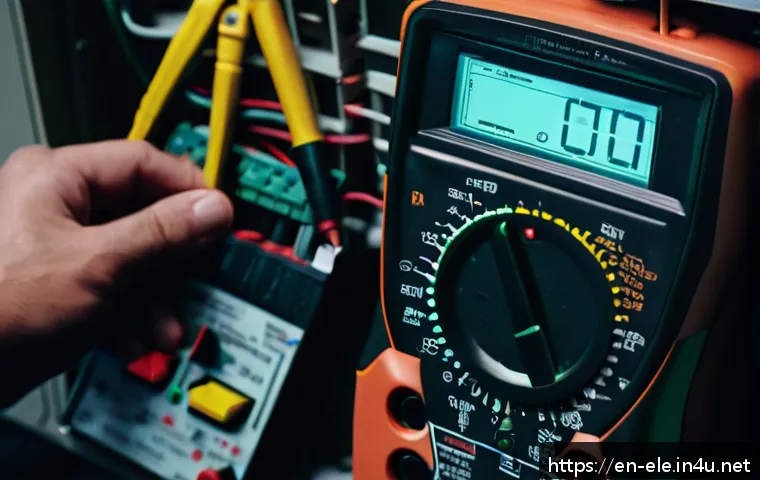
Using the right tool correctly is more than just a time-saver; it’s a scoring factor. I learned that examiners observe how confidently and safely you handle tools like wire strippers, multimeters, and screwdrivers.
Demonstrating familiarity and care signals professionalism and reduces the risk of penalties for unsafe practices. If you’re unsure about a tool’s proper use, invest extra time in hands-on practice before the exam day.
This hands-on familiarity translates directly into smoother execution under pressure.
Organizing Your Workspace Efficiently
An often overlooked tip is setting up your workspace to minimize unnecessary movements. Before my exam, I arranged all materials within easy reach and grouped tools logically based on the task sequence.
This simple strategy helped me avoid fumbling or wasting time searching for items. Clean and efficient setups also reflect positively during examiner walkthroughs.
Remember, clutter or disorganized spaces can create distractions and lead to mistakes, impacting your score.
Safety Practices That Impress
Safety isn’t just about avoiding accidents—it’s a direct scoring element. Wearing proper protective gear, turning off power sources before adjustments, and following lockout/tagout procedures are all scrutinized.
When I practiced, I made a checklist of safety steps to follow for every task, which helped me internalize good habits. This not only boosted my confidence but also ensured I didn’t lose points for avoidable safety violations.
Strategies for Tackling Circuit Troubleshooting
Systematic Approach to Diagnosing Issues
Troubleshooting can be daunting if you jump in without a plan. From personal experience, a step-by-step diagnostic approach is key. Start by checking power supply, then move systematically through components and connections.
During my practice sessions, following a checklist prevented me from missing obvious faults and helped me isolate problems faster. Examiners appreciate candidates who demonstrate logical problem-solving rather than random guessing.

Utilizing Measurement Tools Effectively
Multimeters, voltage testers, and continuity checkers are your best friends during troubleshooting. Knowing exactly when and how to use each tool can save you valuable time and prevent unnecessary errors.
I found that labeling measurement points and recording readings helped me keep track of what I’ve tested, reducing redundant checks. This methodical documentation can also impress examiners by showing your thoroughness.
Documenting Your Findings Clearly
Writing down your troubleshooting steps and observations is sometimes underestimated. However, clear documentation can earn you extra points by demonstrating your thought process and methodical approach.
When I reviewed my exam scripts, I saw that detailed notes and diagrams made a significant difference, especially when partial credit was considered. Practice making concise, legible annotations to communicate your reasoning effectively.
Key Factors Influencing Time Management
Prioritizing Tasks Based on Difficulty
One of the best time management tips I learned is to tackle easier tasks first to secure quick points and build momentum. This approach helps reduce anxiety and prevents spending too long on challenging sections early on.
In my practice tests, I would skim through all tasks initially, then allocate time accordingly, ensuring I didn’t get stuck. This strategy helped me finish all parts comfortably within the time limit.
Handling Unexpected Problems Calmly
Unexpected issues like equipment malfunctions or confusing instructions can throw off your timing. I’ve found that staying calm and having a fallback plan, such as moving on and returning later, can save precious minutes.
Panicking only wastes time and increases mistakes. Practicing under timed conditions helped me build resilience and adapt quickly when things didn’t go as planned.
Using Breaks Strategically
If the exam allows short breaks, use them wisely to reset your focus and review your progress. I used brief pauses to mentally recap completed tasks and plan the next steps, which improved my efficiency.
Avoid distractions during breaks and keep hydrated to maintain sharpness throughout the exam duration.
Scoring Insights and How to Interpret Your Results
Understanding Pass Thresholds and Score Distribution
Knowing the minimum passing scores and how different sections contribute to your total is crucial. From what I’ve gathered, practical tasks typically have higher weight, so excelling there can compensate for minor weaknesses in theory.
Familiarizing yourself with the scoring rubric helps set realistic goals and reduces surprises on result day.
Interpreting Feedback and Score Reports
After receiving your results, don’t just focus on the pass or fail status. Detailed score reports can reveal specific areas needing improvement. When I reviewed my feedback, it guided my study plan for retakes, helping me target weak points rather than wasting time on topics I already mastered.
Leveraging Retake Opportunities Wisely
If you don’t pass the first time, consider the retake as a valuable learning opportunity. I found that analyzing my mistakes and adjusting my preparation strategy led to a better performance on subsequent attempts.
Consistent practice, combined with focused review based on prior feedback, is the best path to success.
| Exam Section | Weight in Final Score | Key Focus Areas | Tips for Maximizing Score |
|---|---|---|---|
| Practical Wiring Tasks | 50% | Accuracy, neatness, correct connections | Double-check work, practice hands-on wiring, maintain organized workspace |
| Written Test | 30% | Theory, safety codes, calculations | Understand concepts deeply, underline keywords, show working steps |
| Troubleshooting | 15% | Logical diagnosis, tool use, documentation | Follow step-by-step approach, label measurements, document clearly |
| Safety & Tool Handling | 5% | Proper tool use, safety procedures | Practice tool handling, wear protective gear, follow safety checklists |
In Conclusion
Preparing thoroughly for each component of the electrician exam is key to achieving a high score. From practical wiring to written theory, balancing accuracy with time management makes a significant difference. By practicing consistently and focusing on both technical skills and safety, you can approach the exam confidently and maximize your results.
Helpful Tips to Remember
1. Prioritize accuracy over speed, especially in practical wiring tasks, to avoid costly mistakes.
2. Keep your workspace neat and tools organized to create a professional impression and reduce errors.
3. Understand the reasoning behind safety codes and electrical standards rather than just memorizing them.
4. Use a systematic troubleshooting approach with clear documentation to impress examiners and earn partial credit.
5. Manage your exam time wisely by tackling easier tasks first and staying calm when unexpected issues arise.
Key Takeaways
Successful exam performance hinges on a combination of precise technical execution, comprehensive theoretical knowledge, and disciplined time management. Emphasizing safety and proper tool handling not only improves your score but also reflects professional reliability. Remember to learn from feedback and treat retakes as opportunities to strengthen weak areas, ensuring continuous improvement on your path to certification.
Frequently Asked Questions (FAQ) 📖
Q: uestions about the Practical Electrician Exam ScoringQ1: How is the practical electrician exam scored and what criteria do evaluators focus on?
A: The practical electrician exam is typically scored based on accuracy, safety compliance, efficiency, and adherence to standard procedures. Evaluators look closely at how well you follow wiring diagrams, use tools correctly, and apply electrical codes.
In my experience, even small safety oversights can cost significant points, so attention to detail is crucial. Time management also plays a role; completing tasks efficiently without rushing shows competence.
Understanding these criteria helps you prioritize what to perfect during your preparation.
Q: Have recent changes to the exam format affected how I should prepare or approach the test?
A: Absolutely. Recent updates have introduced stricter evaluation standards and sometimes added new practical components, such as advanced troubleshooting or integration of digital testing tools.
From what I’ve seen, this means you can’t rely solely on textbook knowledge—you need hands-on practice with current equipment and real-world scenarios.
It’s also important to familiarize yourself with any new regulations or safety standards that have been incorporated. Adjusting your study plan to include these aspects will boost your confidence and improve your chances of scoring higher.
Q: What strategies can I use during the exam to maximize my score and reduce mistakes?
A: One strategy that worked well for me was breaking down each task into clear, manageable steps and double-checking each before moving on. Staying calm under pressure is key—take a moment to breathe if you feel rushed.
Use your time wisely; don’t get stuck on a single problem but make a mental note to revisit it if time allows. Also, always keep safety at the forefront—using proper PPE and following codes can prevent costly errors.
Practicing mock exams under timed conditions beforehand helped me build this discipline and improved my overall performance.