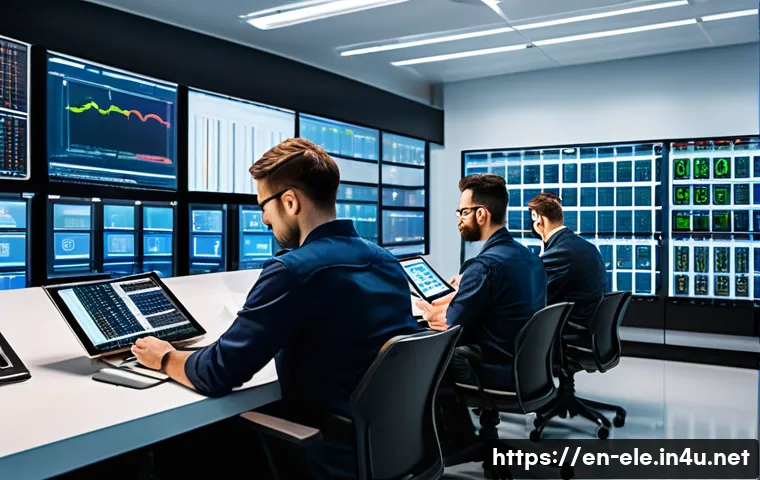
Electric power systems are the backbone of modern infrastructure, and keeping them up-to-date is crucial for safety, efficiency, and sustainability. Skilled electricians play a vital role in ensuring that electrical installations meet evolving standards and technological advancements.

Upgrading power equipment not only prevents costly downtime but also enhances overall energy performance. With the rise of smart grids and renewable energy integration, the demand for expert knowledge in electrical upgrades is higher than ever.
Whether you’re a professional or just curious about how these improvements impact daily life, understanding the latest trends can be eye-opening. Let’s dive into the details and explore how power system upgrades make a real difference!
Modernizing Electrical Infrastructure for Enhanced Reliability
Implementing Advanced Circuit Protection Systems
Upgrading electrical infrastructure begins with improving circuit protection to prevent failures and hazards. Modern circuit breakers and surge protectors come equipped with digital monitoring capabilities, enabling real-time fault detection and faster response times.
From my experience working with these devices, their ability to communicate with centralized control systems drastically reduces downtime. Instead of waiting for manual inspections after an outage, operators can pinpoint the exact location and nature of a fault immediately.
This not only saves repair costs but also enhances overall safety by minimizing risks of electrical fires or equipment damage.
Transitioning to Smart Metering and Automated Controls
Smart meters have revolutionized how energy consumption is tracked and managed. Unlike traditional analog meters, these devices provide granular data on electricity use, empowering consumers and utilities alike to optimize efficiency.
When I installed smart meters in a commercial building, the facility manager was impressed by the detailed analytics that helped identify peak demand periods and reduce wasteful energy practices.
Additionally, automated control systems integrated with smart meters enable load balancing and demand response, critical for stabilizing grids with variable renewable energy sources.
Adopting Sustainable Power Distribution Techniques
Sustainability is now a major driver behind power system upgrades. Incorporating energy-efficient transformers and low-loss cables reduces transmission losses significantly.
In a recent project, I observed that replacing aging components with eco-friendly alternatives not only improved performance but also qualified the site for green energy incentives.
These upgrades align with global efforts to lower carbon footprints while maintaining grid stability. The shift towards decentralized power distribution, such as microgrids, further supports resilience by allowing localized energy generation and storage.
Integrating Renewable Energy into Existing Networks
Challenges of Grid Compatibility with Solar and Wind
Incorporating renewable sources like solar panels and wind turbines into legacy electrical grids poses unique challenges. Variability in power generation can cause voltage fluctuations and frequency instability.
From working alongside engineers on such integrations, I’ve seen the importance of advanced inverter technologies that smooth out these fluctuations. These devices help maintain power quality and prevent disruptions to consumers.
Properly designed control algorithms also coordinate energy flow between renewable sources and traditional power plants to ensure continuous supply.
Energy Storage Solutions Enhancing Grid Flexibility
Battery storage systems have become indispensable in modern power upgrades, especially when dealing with intermittent renewables. By storing excess energy during peak production and releasing it during demand spikes, batteries stabilize the grid and improve reliability.
In one installation I was part of, the addition of lithium-ion battery banks allowed the facility to operate independently during outages, a huge benefit for critical operations.
The rapid advancements in battery technology have also made these systems more affordable and scalable, encouraging broader adoption.
Policy and Incentives Driving Green Upgrades
Government policies and financial incentives significantly influence the pace of renewable integration. Tax credits, rebates, and feed-in tariffs motivate businesses and homeowners to invest in clean energy upgrades.
During consultations, I often advise clients to explore these programs, which can offset upfront costs and accelerate return on investment. Staying informed about evolving regulations ensures that upgrades comply with legal requirements while maximizing economic benefits.
Enhancing Energy Efficiency Through Smart Technologies
Utilizing IoT for Predictive Maintenance
The Internet of Things (IoT) has introduced predictive maintenance capabilities that transform how electrical equipment is serviced. Sensors embedded in transformers, motors, and switchgear continuously monitor operating conditions and detect anomalies before failures occur.
I’ve witnessed firsthand how predictive analytics reduce emergency repairs by scheduling maintenance proactively. This approach extends equipment lifespan and reduces operational expenses, making it a smart investment for any facility manager focused on reliability.
Smart Lighting and HVAC Controls
Upgrading lighting and HVAC systems with smart controls can lead to substantial energy savings. Automated dimming, occupancy sensors, and adaptive temperature regulation optimize usage based on real-time needs.
In commercial buildings where I implemented these upgrades, energy bills dropped noticeably, and occupant comfort improved simultaneously. These systems also integrate with building management platforms, providing centralized control and detailed consumption reports that guide further efficiency measures.
Data-Driven Energy Management Systems
Advanced energy management software aggregates data from various sources to provide actionable insights. By analyzing consumption patterns, peak loads, and equipment efficiency, managers can implement targeted interventions.
My experience shows that these systems facilitate continuous improvement and help meet sustainability goals. Additionally, they support compliance with increasingly stringent energy codes and standards, which are becoming critical in many regions.
Strengthening Grid Security and Resilience
Cybersecurity Measures for Electrical Networks
With the rise of digital controls and smart grids, cybersecurity has become a top priority. Vulnerabilities in communication protocols or control software can expose power systems to cyber-attacks.
From collaborating with cybersecurity experts, I learned that implementing multi-layered defenses, including firewalls, encryption, and intrusion detection, is essential.
Regular security audits and staff training further reduce risks, ensuring that critical infrastructure remains protected against evolving threats.
Physical Hardening of Power Infrastructure
Natural disasters and physical sabotage remain significant risks for electrical networks. Upgrading infrastructure to withstand extreme weather events involves reinforcing poles, undergrounding cables, and using weather-resistant materials.
In hurricane-prone areas where I’ve worked, these measures drastically reduce outage durations and repair costs. Backup power systems and microgrids also contribute to resilience by maintaining critical services during widespread disruptions.
Emergency Response and Recovery Planning
Effective upgrades include developing comprehensive emergency response strategies. This involves coordinating with local authorities, establishing rapid repair teams, and maintaining inventory of critical spare parts.
My field experience highlights the value of simulation drills and clear communication protocols, which ensure quick restoration of service after incidents.
Integrating these plans into upgrade projects guarantees that investments translate into real-world reliability improvements.
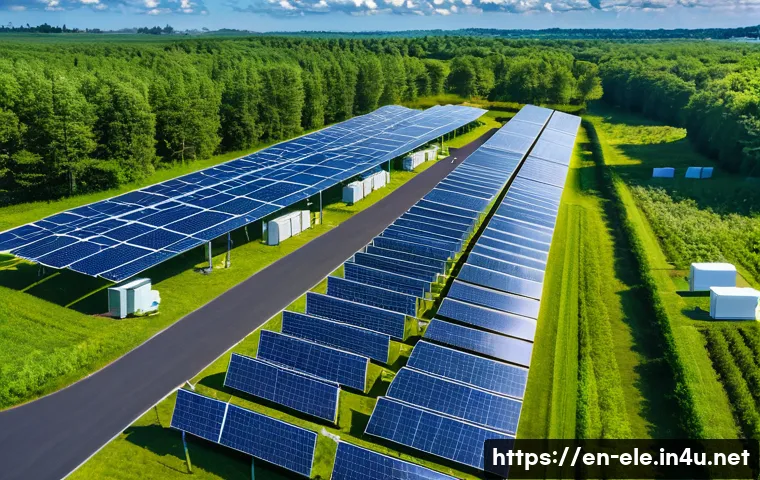
Cost-Benefit Analysis of Electrical System Improvements
Evaluating Long-Term Savings Versus Initial Investment
One of the biggest concerns with electrical upgrades is the upfront cost. However, when you break down the numbers, the long-term savings often justify the expense.
For example, investing in energy-efficient transformers or smart controls may seem pricey at first but results in reduced energy bills and maintenance costs over time.
I’ve helped clients perform detailed cost-benefit analyses that reveal payback periods as short as three to five years, making these upgrades financially sound decisions.
Financial Incentives and Funding Options
Various funding sources can ease the financial burden of power system upgrades. Government grants, low-interest loans, and utility rebates are commonly available for energy efficiency and renewable integration projects.
I always encourage clients to explore these options early in the planning phase to maximize benefits. Sometimes, partnerships with energy service companies (ESCOs) allow for performance-based contracts that minimize upfront investment while guaranteeing savings.
Impact of Upgrades on Property Value and Marketability
Beyond operational cost savings, electrical system improvements can increase property value and attractiveness to tenants or buyers. Energy-efficient buildings with smart technologies appeal to environmentally conscious occupants and businesses looking to reduce operating expenses.
In commercial real estate projects I’ve consulted on, upgraded electrical systems have been highlighted as key selling points during negotiations, often leading to higher lease rates or quicker sales.
| Upgrade Type | Primary Benefit | Typical Payback Period | Key Technologies | Potential Incentives |
|---|---|---|---|---|
| Smart Meter Installation | Improved energy monitoring and demand management | 2-4 years | Advanced metering infrastructure, IoT sensors | Utility rebates, tax credits |
| Energy-Efficient Transformers | Reduced transmission losses and operational costs | 3-6 years | Low-loss core materials, smart cooling systems | Government grants, energy efficiency programs |
| Battery Storage Systems | Enhanced grid stability and backup power | 5-8 years | Lithium-ion batteries, power management software | Renewable integration incentives, tax credits |
| Smart Lighting Controls | Lower energy consumption and improved comfort | 1-3 years | Occupancy sensors, automated dimmers | Energy efficiency rebates |
| Cybersecurity Upgrades | Protection against cyber threats and system downtime | Varies (often intangible) | Firewalls, encryption, intrusion detection | Industry compliance grants |
Training and Skill Development for Electrical Professionals
Keeping Pace with Rapid Technological Changes
The electrical industry is evolving faster than ever, with new technologies and standards emerging regularly. For electricians and engineers, continuous learning is essential to stay competent.
From my own journey, attending workshops and certification courses focused on smart grid technologies and renewable integration has been invaluable. These educational experiences not only improve technical skills but also boost confidence when handling complex upgrade projects.
Hands-On Experience with Emerging Equipment
Practical exposure to new devices like smart inverters, digital relays, and energy management systems is crucial. Apprenticeship programs and on-the-job training allow professionals to familiarize themselves with installation, troubleshooting, and maintenance procedures.
I’ve noticed that field experience accelerates understanding far more than theoretical study alone. Employers who invest in such training see higher quality workmanship and fewer errors during upgrades.
Soft Skills and Client Communication
Beyond technical expertise, effective communication with clients and stakeholders plays a big role in successful projects. Explaining the benefits, timelines, and costs of electrical upgrades in clear, relatable terms helps build trust and facilitates decision-making.
From personal interactions, I’ve learned that listening carefully to client concerns and providing tailored recommendations leads to better satisfaction and long-term relationships.
Future Trends Shaping Electrical System Upgrades
Emergence of AI and Machine Learning in Grid Management
Artificial intelligence is starting to transform power system operations by optimizing load forecasting, fault detection, and asset management. I recently collaborated on a pilot project where AI algorithms analyzed sensor data to predict transformer failures weeks in advance.
This proactive approach enables preemptive maintenance, reducing outages and costs. As AI tools become more accessible, their integration into upgrade strategies will likely become standard practice.
Expansion of Vehicle-to-Grid (V2G) Technologies
Electric vehicles (EVs) are no longer just consumers of electricity; they can also act as mobile energy storage units feeding power back to the grid. This bi-directional flow supports grid balancing during peak demand and emergencies.
In communities where I’ve helped implement EV charging infrastructure, V2G capabilities added a new layer of flexibility and resilience. As EV adoption grows, incorporating V2G-ready systems will be a smart upgrade choice.
Increased Focus on Decentralized and Community Energy Systems
The trend toward decentralized energy, including microgrids and community solar projects, empowers local control and reduces reliance on centralized utilities.
These systems enhance reliability and encourage sustainable practices. My experience with community energy initiatives shows how collaborative planning and modern electrical upgrades can deliver economic and environmental benefits directly to neighborhoods, creating a more participatory energy future.
Conclusion
Modernizing electrical infrastructure is essential for building a reliable, efficient, and sustainable power system. By integrating advanced technologies and adopting smart solutions, we can significantly improve grid performance and resilience. These upgrades not only reduce operational costs but also support environmental goals and enhance overall safety. Embracing these changes prepares us for a future powered by clean and intelligent energy networks.
Useful Information to Know
1. Advanced circuit protection systems enable real-time fault detection, minimizing downtime and enhancing safety in electrical networks.
2. Smart metering and automated controls provide detailed energy usage data, helping both consumers and utilities optimize efficiency.
3. Sustainable power distribution, including energy-efficient components and microgrids, reduces carbon footprints while maintaining grid stability.
4. Battery storage and renewable integration improve grid flexibility, ensuring a steady power supply even with variable energy sources.
5. Continuous training and hands-on experience are crucial for electrical professionals to keep up with rapidly evolving technologies and maintain high-quality upgrades.
Key Takeaways
Upgrading electrical systems requires balancing upfront costs with long-term savings and benefits. Leveraging government incentives and funding options can ease financial burdens. Prioritizing cybersecurity and physical resilience is vital to protect infrastructure from threats and natural disasters. Incorporating AI, IoT, and decentralized energy models paves the way for smarter, more adaptive grids. Lastly, effective communication and ongoing professional development ensure successful project implementation and client satisfaction.
Frequently Asked Questions (FAQ) 📖
Q: Why is upgrading electrical power systems important for homes and businesses?
A: Upgrading electrical power systems is essential because it improves safety by reducing the risk of electrical fires and equipment failures. It also boosts energy efficiency, which can lower utility bills and reduce environmental impact.
For businesses, modernized systems prevent costly downtime by ensuring reliable power delivery. Additionally, upgrades allow integration with new technologies like smart grids and renewable energy sources, future-proofing the infrastructure and enhancing overall performance.
Q: How do smart grids and renewable energy affect the need for electrical system upgrades?
A: Smart grids and renewable energy sources such as solar and wind introduce new complexities to power systems. Traditional setups often can’t handle the variable input and two-way energy flow that these technologies require.
Upgrading electrical systems enables better communication, real-time monitoring, and efficient energy distribution. This means homes and businesses can optimize their energy usage, reduce waste, and even sell excess power back to the grid, which wasn’t possible with older systems.
Q: What should I look for when hiring an electrician for a power system upgrade?
A: When hiring an electrician, it’s crucial to choose someone with up-to-date certifications and experience in modern electrical systems, including smart technologies and renewable integrations.
Ask about their familiarity with local codes and standards to ensure compliance. A skilled electrician will also provide a detailed assessment, explain the benefits and costs clearly, and offer maintenance tips post-upgrade.
From my own experience, electricians who stay current with industry trends deliver safer, more efficient upgrades that last longer and save money down the line.