The best starting point for most facilities is better electrical visibility: smart meters, sensors, connected panels, and energy management software can reveal how power is used before major equipment is purchased.
Larger investments such as battery storage, switchgear modernization, solar integration, and EV charging should follow a site-specific electrical assessment, load review, and local code check.
In 2025, the main electrical technology trends are moving facilities toward more flexible, data-informed, and resilient operations. The right choice depends on whether the priority is operating-cost control, uptime, capacity expansion, electrification, or backup power.
Monitoring systems may be a practical first comparison point, while storage and charging infrastructure usually require more detailed engineering and contractor scope review.
A structured quote comparison helps decision-makers avoid paying for equipment that does not match the site’s actual load profile or future plans.
At a Glance
- Monitoring first: Smart meters, sensors, and connected panels can provide more detailed visibility into consumption and equipment conditions.
- Flexibility matters: Battery storage, controllable loads, and distributed energy resources may support load shifting, backup power, or renewable-energy integration.
- Capacity needs planning: Electrification and EV charging can increase site loads, so electrical capacity and demand management should be assessed early.
| Business Need | Typical Equipment Category | Project Complexity | Operating-Value Driver | Key Quote Question |
|---|---|---|---|---|
| Understand energy use | Submetering, smart panels, energy management software | Lower to moderate | Granular consumption and condition visibility | Which loads, panels, and data points are included? |
| Improve reliability | Switchgear upgrades, power-quality evaluation, backup generation | Moderate to high | Reduced exposure to equipment disruption | Does the scope include load studies and power-quality review? |
| Manage peaks or add flexibility | Battery energy storage, controllable loads | High | Load shifting, backup support, renewable integration | How does the design reflect local tariffs and the site load profile? |
| Add EV charging | Charging equipment, load management controls, electrical upgrades | Moderate to high | Capacity management and future expansion | What electrical capacity is available now and later? |
What Is Changing in Electrical Technology—and Why It Matters for Facilities
Electrical modernization is no longer only about replacing aging equipment. Facilities are increasingly connecting electrical assets, collecting operational data, and planning for more variable loads from electrification, charging infrastructure, onsite generation, and controllable equipment. The practical goal is not to install every new technology. It is to build an electrical system that supports the site’s operating priorities without creating unnecessary complexity.
Three Immediate Shifts: Visibility, Flexibility, and Resilience
Visibility comes from smart meters, sensors, submetering, and connected electrical panels. These tools can help teams see where electricity is being used and identify equipment conditions that deserve attention. Flexibility refers to the ability to manage loads, integrate distributed energy resources, or shift electricity use when the operating situation changes. Resilience focuses on maintaining critical operations when normal power conditions are disrupted.
Each shift has a different decision path. A monitoring platform may be considered before a major capital project. Battery storage or backup power planning usually requires a more detailed review of critical loads, electrical configuration, tariff structure, and local requirements.
Which Trends Are Operational Upgrades Versus Long-Term Capital Projects
Monitoring, submetering, and energy management software are often operational upgrades because they improve information before the facility changes its physical power architecture. Connected panels can also support this first step when their data is useful to operations or maintenance teams.
Switchgear replacement, battery energy storage, solar integration, and EV charging infrastructure are generally longer-term capital projects. They can affect service capacity, protection coordination, installation sequencing, parking operations, and future expansion. A vendor proposal should clearly distinguish equipment supply, engineering, installation, commissioning, monitoring, maintenance, and any electrical upgrades outside the primary equipment package.
The Key Technologies to Watch for Energy, Reliability, and Capacity
Smart Panels, Submetering, and Energy Management Platforms
Smart electrical monitoring is often the most logical starting point when a facility lacks reliable load data. Submeters can provide more granular visibility than a single utility meter, while sensors and connected panels can help reveal consumption patterns and equipment conditions. Energy management software can bring those data sources into a more usable operational view.
The selection question is simple: what decision will the data improve? A platform should support a defined purpose, such as identifying major loads, tracking demand patterns, reviewing equipment conditions, or preparing for an electrification project. Buying a monitoring system without assigning ownership, alert processes, or reporting needs can limit its value.
Battery Storage and Distributed Energy Resources
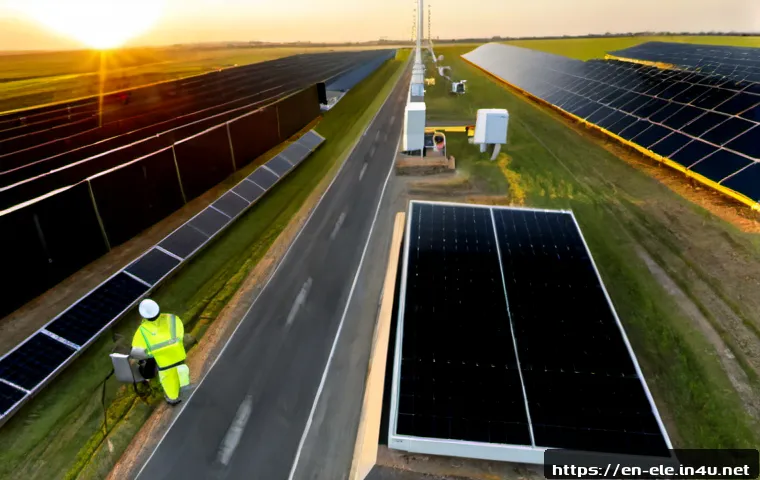
Distributed energy resources can include onsite solar, battery storage, controllable loads, and backup generation located near where electricity is used. Battery energy storage systems may support backup power, peak-demand management, renewable-energy integration, or load shifting. Whether those functions make sense depends on the system design and local tariffs.
Storage should not be evaluated as a standalone battery purchase. The proposal should explain which loads are supported, how the system interacts with existing electrical equipment, how it operates during different conditions, and what monitoring or maintenance is included. Facilities should also confirm whether resilience, energy-cost control, renewable integration, or another objective is the primary reason for considering storage.
Grid-Interactive Buildings and Demand Flexibility
A grid-interactive approach uses connected equipment and controllable loads to make a building more responsive to operating conditions. In practice, this can involve energy management controls, monitored loads, onsite resources, or demand-management strategies. The benefit is not automatic: it depends on the site’s load profile, operational constraints, and applicable utility structure.
Before investing in controls, identify loads that can realistically be adjusted without disrupting occupants, production, safety, or service commitments. Operational flexibility must be usable, not merely available on paper. This is why an electrical assessment and a discussion with operations staff are important before selecting software or control hardware.
EV Charging and Managed Load Capacity
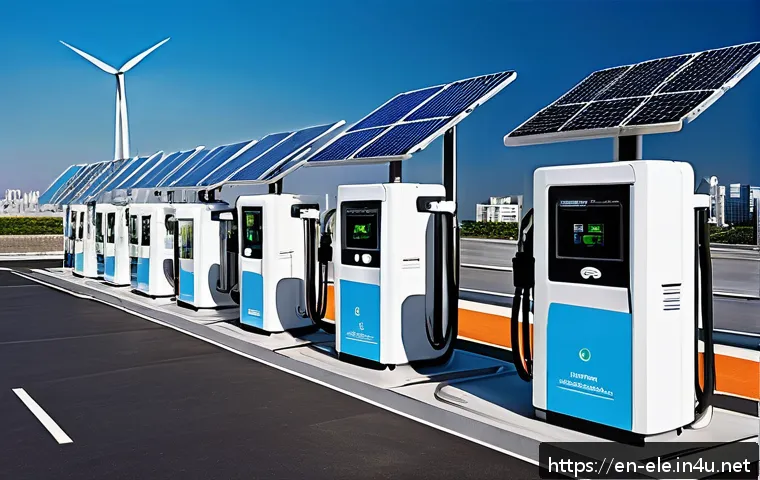
EV charging infrastructure is becoming a central electrical planning issue for property owners and organizations with fleet, employee, tenant, or visitor parking needs. Planning should include electrical capacity, demand management, parking use, equipment placement, and potential future expansion. Installing charging equipment without considering the wider electrical system can create avoidable constraints later.
A managed charging approach may be worth comparing when capacity is limited or expansion is expected. Contractors and charging providers should be asked how the design handles present loads, planned chargers, monitoring, and future additions. The most suitable configuration cannot be determined from charger count alone.
Comparing Value, Project Complexity, and Budget Considerations
Comparison Table: Monitoring, Switchgear, Storage, Solar Integration, and Charging Equipment
| Technology | Best-Fit Objective | Primary Planning Input | Common Complexity Point |
|---|---|---|---|
| Monitoring and energy management | Operating-cost visibility and equipment awareness | Existing meter and panel layout | Data integration and internal use of insights |
| Switchgear modernization | Reliability, safety planning, and capacity readiness | Condition of existing electrical equipment | Outage coordination and detailed engineering scope |
| Battery storage | Backup support, load shifting, or renewable integration | Critical loads, tariffs, and load profile | System design, interconnection, and operating strategy |
| Solar integration | Onsite distributed energy resource planning | Electrical configuration and site energy use | Integration with existing equipment and other resources |
| EV charging equipment | Transport electrification and property amenity planning | Capacity, parking operations, and growth plans | Demand management and future expansion |
How to Evaluate Total Cost Beyond the Equipment Purchase Price
Equipment pricing is only one part of an electrical project. Compare the full scope: electrical assessment, engineering, permits where applicable, installation, service upgrades, controls, commissioning, monitoring access, maintenance responsibilities, warranties, and training. A lower equipment quote may not be comparable if it excludes essential design work or future scalability.
Do not assume a standard payback period, incentive amount, or installation timeline. These vary by location, site load profile, equipment condition, regulations, supplier scope, and local utility arrangements. Request assumptions in writing so proposals can be reviewed on the same basis.
When an Electrical Assessment or Engineering Consultation Is Justified
An electrical assessment is especially useful when the project involves new high loads, battery storage, solar integration, EV charging, aging switchgear, sensitive equipment, or recurring power-quality concerns. It can help clarify available capacity, critical loads, existing equipment condition, and possible constraints before vendors finalize a design.
Engineering support is not a substitute for operational input. Facility teams should provide information about occupancy patterns, production schedules, maintenance windows, equipment sensitivity, and future growth plans. A good design reflects both the electrical system and the way the site actually operates.
Implementation Risks and Common Upgrade Mistakes

Ignoring Load Studies, Power Quality, and Future Capacity Needs
One common mistake is sizing an upgrade from nameplate capacity alone. Actual load behavior, demand patterns, starting conditions, and future electrification plans may be more relevant than a simple equipment rating. Power-quality issues, including voltage variation, harmonics, and transient events, can also affect sensitive equipment and should be evaluated during modernization planning.
Ask whether the proposed scope accounts for current load data, anticipated expansion, and power-quality review where relevant. This is particularly important for industrial facilities, sites with sensitive electronics, and properties planning large charging or heating loads.
Treating Cybersecurity as an Afterthought in Connected Systems
Connected meters, energy management platforms, industrial controls, and distributed energy devices can introduce cybersecurity considerations alongside their operational benefits. The procurement discussion should include user access, data ownership, remote connectivity, software updates, and responsibilities for ongoing system administration.
Cybersecurity requirements should be part of the project scope before installation, not a separate task added after equipment is online. Ask vendors and installers how connected devices are managed and what information the facility needs to maintain secure operations.
Comparing Contractor Quotes Without Matching the Scope of Work
Contractor and equipment quotes are difficult to compare when one includes design, commissioning, controls, and warranty support while another covers only hardware or basic installation. Request a scope matrix that lists inclusions, exclusions, assumptions, site work, shutdown requirements, monitoring, maintenance, and expansion provisions.
Comparable scope is more useful than a single headline price. This approach also makes it easier to identify where an energy management provider, electrical contractor, storage vendor, or EV charging installer is relying on assumptions that need site verification.
Technology Priorities by Site Type and Business Goal
Commercial Buildings Focused on Operating-Cost Visibility
Commercial properties often benefit from starting with submetering, smart panels, and energy management software when decision-makers need clearer consumption data. This can create a better foundation for later decisions about electrification, tenant needs, charging infrastructure, or onsite energy resources.
Industrial Facilities Focused on Uptime and Power Quality
Industrial sites may prioritize equipment condition, power quality, voltage variation, harmonics, transient events, and backup requirements. Monitoring can be valuable, but it should be paired with a review of critical processes and equipment sensitivity. Reliability planning should focus on the loads that matter most to operations.
Property Owners Planning EV Charging or Electrification
Property owners should review electrical capacity and future demand before selecting charging equipment or moving heating, transport, or process equipment toward electric alternatives. Electrification can increase building and site loads. A staged plan may be more practical than installing for every possible future use at once.
Critical Sites Prioritizing Backup Power and Resilience
Critical sites should define which loads require continuity and how long those loads need support under different conditions. Battery storage, backup generation, controllable loads, and distributed energy resources may all be relevant, but the correct mix depends on site-specific design and operating requirements.
Selection Criteria and Comparison Summary
Before requesting proposals, confirm these decision points:
- Primary objective: Is the priority visibility, resilience, capacity expansion, energy-cost control, or decarbonization?
- Load evidence: What interval data, panel information, and operating patterns are available?
- Future demand: Are EV charging, electric heating, process electrification, or tenant changes expected?
- Scope consistency: Does each quote include assessment, engineering, installation, commissioning, monitoring, maintenance, and warranty details?
- Cybersecurity: How are connected devices, remote access, software updates, and user permissions handled?
- Scalability: Can the electrical design accommodate future equipment without repeating major work?
For electrical contractor, battery storage, energy management software, or EV charging proposals, review the official product specifications and full scope conditions before making a final comparison.
Closing Thoughts
The most useful electrical technology trend is the one that solves a defined facility problem. Monitoring can provide a practical starting point when data is limited, while switchgear upgrades, storage, and charging infrastructure need deeper site review. A phased modernization plan can reduce uncertainty by aligning equipment decisions with real operating needs. The strongest proposals explain not only what will be installed, but also how the system will be used, maintained, monitored, and expanded.
Useful Information to Know
Distributed energy resources may include onsite solar, battery storage, controllable loads, and backup generation. Battery storage may serve different purposes depending on local tariffs and system design. EV charging planning involves more than chargers; electrical capacity, parking use, demand management, and future expansion should all be considered.
Important Considerations
Exact costs, energy savings, payback periods, incentives, installation timelines, and technology suitability vary by location and site conditions. The best equipment mix cannot be determined without an electrical assessment, load data, local code review, and a clear project scope. Newer technology is not automatically commercially mature or suitable for every commercial, industrial, or residential application.
Frequently Asked Questions
Q1. Which electrical technology trend offers the best starting point for a commercial building?
A1. Smart electrical monitoring, submetering, connected panels, or an energy management platform can be a sensible starting point when a building needs better visibility into consumption and equipment conditions. The best choice depends on what information the facility needs to make decisions.
Q2. How much does a battery storage or EV charging electrical upgrade typically cost?
A2. Costs vary by site load profile, available electrical capacity, equipment condition, local requirements, supplier scope, system design, and installation needs. Request itemized proposals that separate equipment, engineering, electrical upgrades, controls, commissioning, monitoring, and maintenance.
Q3. Is smart electrical monitoring worthwhile for small facilities and businesses?
A3. It may be worthwhile when the business needs clearer information about energy use, equipment conditions, or changing electrical loads. Its value depends on whether the data will support specific operating, maintenance, or future investment decisions.