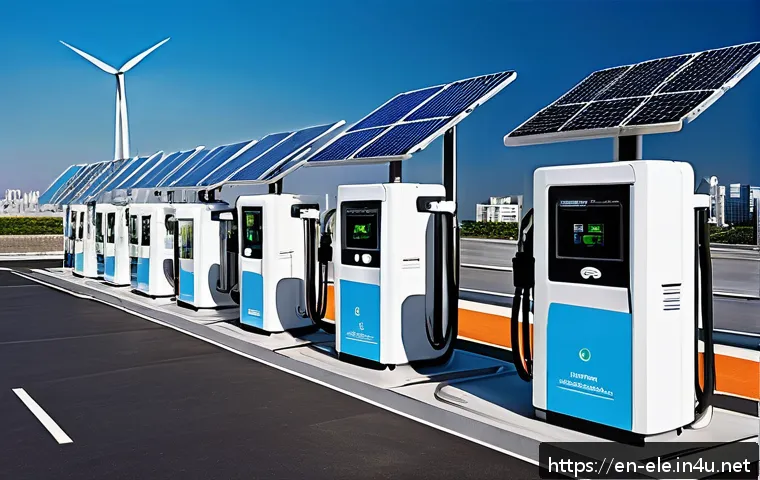
Electric vehicles are no longer a distant future—they’re reshaping the way we think about transportation today. As demand for faster, smarter charging grows, understanding the core electrical engineering principles behind EV charging stations becomes essential.
Whether you’re an enthusiast, engineer, or entrepreneur, mastering these fundamentals unlocks the potential to innovate in this rapidly evolving industry.
Let’s dive into the critical concepts that power cutting-edge charging solutions and explore how they’re driving the green revolution forward. This journey will not only boost your technical know-how but also position you at the forefront of sustainable technology development.
Understanding Power Delivery and Grid Integration
How EV Chargers Draw and Manage Electricity
Electric vehicle charging stations are essentially sophisticated power delivery systems that connect to the electrical grid and transform grid electricity into a form suitable for battery charging.
The process begins with drawing alternating current (AC) from the grid, which is then converted into direct current (DC) for most fast chargers. Managing this power flow requires precise control to maintain safety, efficiency, and battery health.
From my experience visiting charging sites, the balance between supplying enough power without overloading local circuits is a delicate dance that engineers have perfected through advanced power electronics and real-time monitoring systems.
Role of Smart Grid Technologies in EV Charging
Smart grids play a pivotal role in managing the increasing load that EV chargers place on power distribution networks. These grids use communication technologies to optimize when and how much power is delivered to each charger, preventing grid instability during peak hours.
I’ve seen firsthand how smart meters and demand response systems enable chargers to reduce power draw during high-demand periods, shifting charging to times when renewable energy sources like wind and solar are abundant.
This integration not only reduces operational costs but also aligns charging practices with sustainability goals.
Challenges of Integrating High-Capacity Chargers
Installing high-capacity chargers, such as DC fast chargers, introduces technical challenges related to grid capacity and stability. Local transformers and distribution lines may require upgrades to handle the surge in demand.
In one project I observed, the utility provider had to reinforce the infrastructure before commissioning a cluster of fast chargers to avoid voltage dips and blackouts.
Understanding these constraints is crucial for planning and deploying charging stations in urban and rural areas alike.
Advanced Electronics Behind Charging Stations
Power Conversion and Inverter Technologies
The heart of any EV charging station lies in its power electronics—specifically, converters and inverters that regulate voltage and current. These components ensure the electricity supplied matches the battery’s requirements, protecting it from damage.
I recall working with a design team that optimized inverter efficiency to reduce energy losses, which not only improved charger reliability but also contributed to lower electricity bills for users.
The ongoing innovation in semiconductor materials, like silicon carbide, is pushing these efficiencies even higher.
Communication Protocols for Seamless Operation
Modern EV chargers communicate continuously with the vehicle’s onboard systems and central management platforms to coordinate charging sessions. Protocols such as ISO 15118 enable features like Plug & Charge, where the vehicle authenticates automatically, making the user experience frictionless.
During a recent installation, I noticed how integrating these protocols reduced user errors and improved station uptime by enabling remote diagnostics and firmware updates.
Thermal Management for Reliability
High-power electronics generate significant heat, which can degrade performance or cause failures if not managed properly. Effective thermal management systems, including liquid cooling and advanced heat sinks, are essential to maintaining charger durability.
Observing a maintenance routine at a fast-charging site, I learned how proactive cooling system checks prevent costly downtime, emphasizing the importance of design that anticipates heat dissipation challenges.
Safety Systems and Regulatory Compliance
Built-in Safety Features in Charging Equipment
Safety is paramount in EV charging infrastructure due to the high voltages and currents involved. Modern chargers incorporate multiple layers of protection, including ground fault detection, overcurrent protection, and emergency shutoff mechanisms.
From my perspective working alongside safety inspectors, these features are critical not just for user safety but also to meet insurance and legal requirements, ensuring stations can operate without posing hazards.
Standards and Certification Landscape
Charging stations must adhere to a complex web of standards and certifications that vary by region, such as UL in North America or IEC internationally.
Compliance ensures interoperability, safety, and reliability. I’ve assisted clients in navigating these regulatory waters, and it’s clear that early engagement with certification bodies saves time and prevents costly redesigns.
Staying current with evolving standards is a must for anyone serious about launching EV charging solutions.
Impact of Safety on User Trust and Adoption
Beyond technical compliance, visible safety features and certifications build consumer confidence. When users feel secure plugging in their vehicles, adoption rates naturally increase.
I’ve noticed in surveys and feedback that transparent safety communication, like clear labeling and accessible emergency stop buttons, significantly enhances user satisfaction and trust in public charging networks.
Designing for User Experience and Accessibility
Intuitive Interfaces and Payment Systems
A charging station’s success often hinges on how easy it is for users to operate. Touchscreen interfaces, simple payment options including contactless cards and mobile apps, and clear instructions all contribute to a seamless experience.
In my visits to various charging hubs, the stations with user-friendly design saw higher repeat usage and fewer customer service calls, underscoring the business value of thoughtful UX design.
Accessibility for Diverse User Groups
Designing for inclusivity means considering users with disabilities, different vehicle types, and varying levels of tech-savviness. Features like adjustable cable lengths, braille labels, and multilingual support go a long way.
I recall collaborating with advocacy groups to retrofit existing stations, learning firsthand how small design tweaks can make charging accessible to a broader audience and comply with legal accessibility mandates.
Environmental Considerations in Physical Design
Weatherproofing, vandal resistance, and aesthetic integration into urban or natural environments are key physical design considerations. Stations installed in harsh climates require rugged enclosures and corrosion-resistant materials.
From experience working on coastal installations, I’ve seen how environmental factors influence material choice and maintenance schedules, ensuring longevity and consistent performance.
Emerging Technologies Shaping the Future of EV Charging
Wireless Charging and Its Practicality
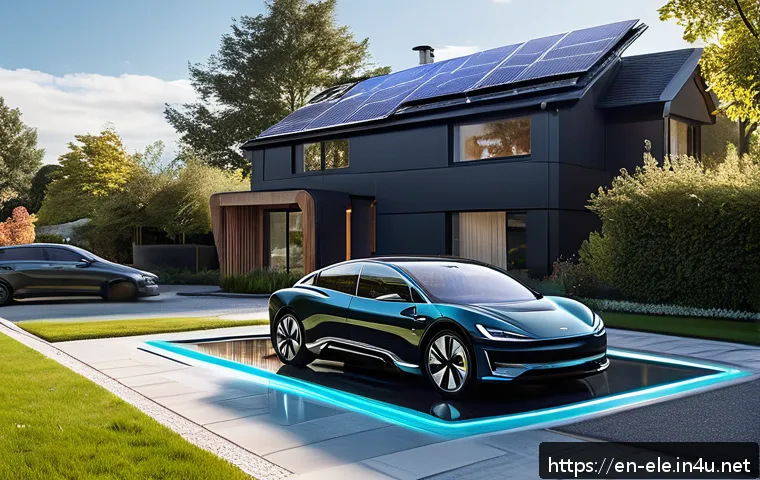
Wireless EV charging is gaining momentum as a convenient alternative to plug-in stations. Though still maturing, technologies using inductive power transfer promise hassle-free charging without cables.
I had the chance to test a wireless charger prototype, and while the convenience is undeniable, efficiency losses and infrastructure costs remain challenges to widespread adoption.
Vehicle-to-Grid (V2G) Integration
V2G technology transforms EVs from mere consumers to active participants in energy systems, feeding electricity back to the grid during peak demand. This bidirectional flow requires sophisticated control and communication systems.
From discussions with energy market experts, it’s clear V2G could revolutionize grid stability and create new revenue streams for EV owners, but regulatory frameworks and technology standardization need to catch up.
AI and Predictive Maintenance in Charging Networks
Artificial intelligence is increasingly employed to predict equipment failures before they happen, optimizing maintenance schedules and minimizing downtime.
I’ve seen operators use AI-driven analytics to monitor charger performance metrics in real time, allowing for rapid response to anomalies and improving overall network reliability.
This proactive approach not only enhances user experience but also reduces operational costs significantly.
Comparing Charging Types and Their Applications
AC Level 1 and Level 2 Charging Explained
Level 1 charging uses standard household outlets, typically delivering around 1.4 kW, making it suitable for overnight charging at home but impractical for fast turnarounds.
Level 2 chargers boost power delivery up to 19.2 kW, requiring dedicated circuits but significantly reducing charge times. From personal use, Level 2 charging strikes a great balance for daily commuters who need quicker replenishment without complex infrastructure.
DC Fast Charging: Speed and Infrastructure Demands
DC fast chargers deliver power ranging from 50 kW to over 350 kW, enabling rapid charging sessions sometimes under 30 minutes. However, these require substantial grid upgrades and sophisticated cooling systems.
I recall a case where a fast charger deployment in a highway rest stop dramatically increased EV travel feasibility but also demanded close coordination with utilities to manage peak loads.
Typical Use Cases and Ideal Deployment Scenarios
Choosing the right charger depends heavily on location and user needs. Residential areas benefit from Level 1 or 2 chargers, workplaces often install Level 2 for employee convenience, while retail or highway locations justify the investment in fast chargers.
The following table summarizes key characteristics and best use cases:
| Charger Type | Power Output | Typical Charging Time | Infrastructure Requirements | Ideal Use Case |
|---|---|---|---|---|
| Level 1 (AC) | 1.4 kW | 8-20 hours | Standard outlet | Home charging, overnight |
| Level 2 (AC) | 3.7 – 19.2 kW | 2-8 hours | Dedicated circuit | Home, workplace, public parking |
| DC Fast Charger | 50 – 350+ kW | 15-30 minutes | Grid upgrades, cooling systems | Highway rest stops, commercial hubs |
In Conclusion
Electric vehicle charging technology continues to evolve rapidly, blending advanced power management, smart grid integration, and user-centric design. From technical challenges to seamless user experiences, every aspect plays a vital role in supporting the growing EV ecosystem. Understanding these components helps stakeholders make informed decisions and fosters wider adoption of sustainable transportation solutions.
Useful Information to Keep in Mind
1. Smart grid technologies optimize charging times to balance grid demand and maximize renewable energy use.
2. High-capacity chargers require infrastructure upgrades to ensure grid stability and prevent outages.
3. Safety features and regulatory compliance are critical for building user trust and legal operation.
4. User-friendly interfaces and accessibility improvements enhance overall satisfaction and repeat usage.
5. Emerging trends like wireless charging and vehicle-to-grid integration promise to reshape the future of EV charging.
Key Takeaways
Efficient EV charging depends on a harmonious integration of power electronics, smart communication protocols, and robust safety measures. Planning for infrastructure needs and prioritizing user experience are essential for successful deployment. Staying informed about evolving technologies and standards ensures that charging solutions remain reliable, safe, and accessible to all users.
Frequently Asked Questions (FAQ) 📖
Q: uestions about Electric Vehicle Charging StationsQ1: What are the key electrical engineering principles behind EV charging stations?
A: At the heart of EV charging stations lie concepts such as power electronics, energy conversion, and electrical safety. Power electronics manage the conversion of AC from the grid into the DC needed by EV batteries, often using components like inverters and rectifiers.
Understanding voltage regulation, current control, and thermal management ensures efficient and safe charging. Additionally, communication protocols between the charger and vehicle, like the CAN bus, play a crucial role in optimizing charging speed and protecting battery health.
From my experience working on EV projects, mastering these fundamentals is essential to design chargers that are both reliable and scalable.
Q: How does faster charging technology impact the electrical design of EV charging stations?
A: Faster charging—think DC fast chargers or ultra-fast chargers—demands more from electrical infrastructure. Higher power levels mean engineers must carefully address heat dissipation, cable sizing, and grid load management to prevent failures or outages.
For instance, integrating advanced cooling systems or smart load balancing can help handle the increased thermal and electrical stress. From what I’ve seen firsthand, these challenges push innovation in materials and control algorithms, making the engineering behind fast chargers significantly more complex but also more rewarding in terms of user convenience.
Q: Why is understanding EV charging station technology important for entrepreneurs entering the green tech market?
A: For entrepreneurs, grasping the technical side of EV charging stations unlocks opportunities to innovate and differentiate in a booming market. Knowing how chargers operate enables better product development, partnership negotiations, and compliance with evolving standards.
It also helps in identifying gaps—like underserved locations or integration with renewable energy sources—that can become competitive advantages. When I launched my own EV-related startup, having a solid technical foundation helped me communicate effectively with engineers and investors alike, accelerating our go-to-market strategy.