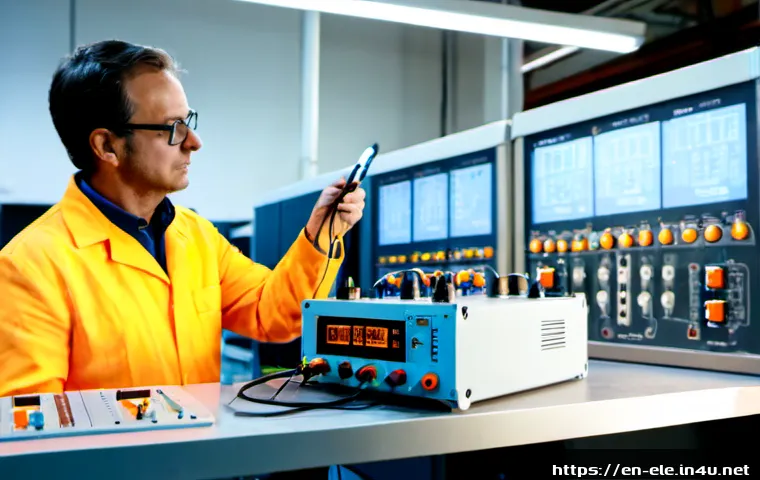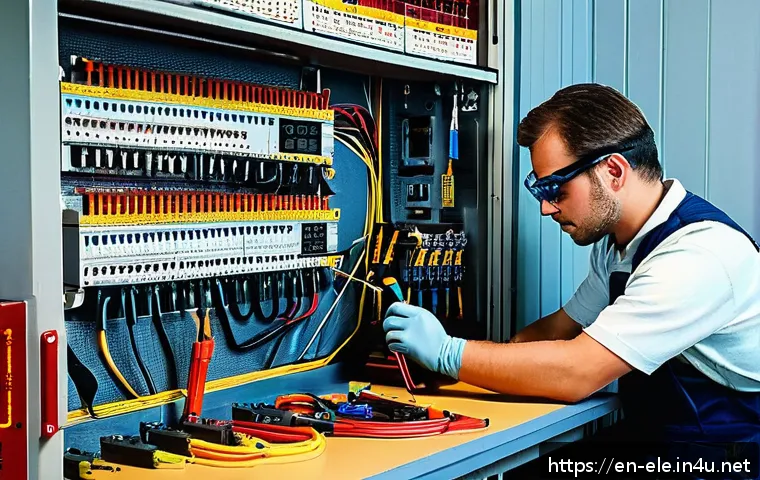
In today’s fast-paced electrical industry, staying updated on safety protocols is more critical than ever. With rising reports of on-site accidents, electricians must prioritize effective strategies to protect themselves and others.
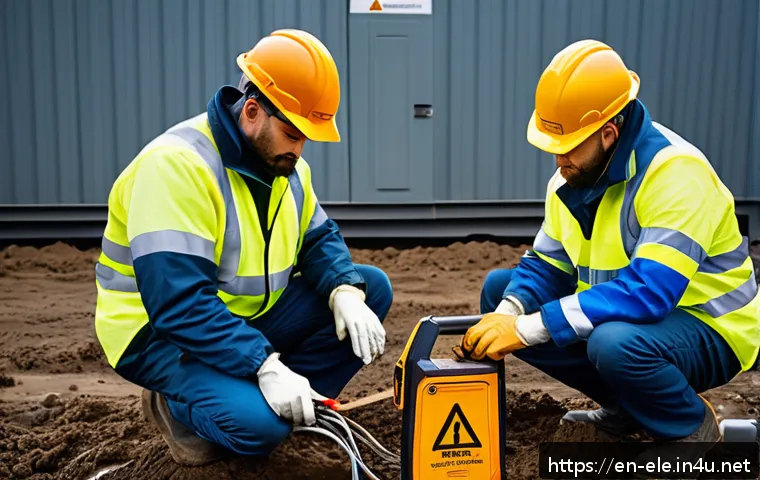
Whether you’re a seasoned pro or just starting out, mastering electrical safety isn’t just about compliance—it’s about saving lives. I’ve seen firsthand how simple precautions can prevent serious hazards, making every job safer and more efficient.
Let’s dive into the essential techniques that will keep you confident and secure in every electrical project you tackle.
Understanding the Hidden Risks on Electrical Job Sites
Common but Overlooked Hazards
Many electricians tend to focus on obvious dangers like exposed wires or faulty equipment, but there are subtler risks that often fly under the radar.
For example, working in cramped spaces or poor lighting can cause slips, trips, or accidental contact with energized parts. I’ve noticed that when crews rush or skip pre-checks, these hidden hazards become more pronounced, increasing the chance of injury.
Recognizing these less obvious threats is crucial because they silently compound the risk during daily tasks.
How Environmental Factors Amplify Danger
Weather conditions and work environments play a huge role in electrical safety. Moisture from rain or humidity can drastically increase shock hazards, and dusty or cluttered sites may interfere with equipment performance or visibility.
From my experience, electricians working outdoors or in industrial settings must be extra vigilant about these factors. Wearing appropriate protective gear and regularly inspecting the surroundings can mitigate many of these environmental risks before they escalate.
Psychological and Physical Fatigue Impact
Fatigue is a silent danger that no one talks about enough. Long shifts, mental stress, and physical exhaustion severely affect concentration and reaction time.
I’ve personally seen how a tired electrician’s lapse in judgment can lead to small mistakes that might cause serious accidents. It’s essential to recognize when you’re too worn out to work safely and to take breaks or rotate tasks to maintain sharpness on the job.
Mastering Personal Protective Equipment (PPE) for Maximum Safety
Choosing the Right Gear for the Job
PPE isn’t one-size-fits-all. Depending on the voltage, environment, and task complexity, the right combination of gloves, helmets, eye protection, and flame-resistant clothing varies.
When I started tailoring my PPE choices based on the specifics of each job, I noticed a significant drop in near-misses and minor injuries. It’s worth investing the time to understand what gear suits your work conditions best rather than defaulting to standard equipment.
Proper Maintenance and Inspection of PPE
Even the best PPE is useless if it’s damaged or worn out. Regular inspection for tears, cracks, or contamination is key. I make it a habit to check my gloves and helmets every morning before starting work.
Small defects can compromise protection and lead to dangerous exposure. Keeping PPE clean and stored properly also extends its lifespan and effectiveness.
Training for Correct Usage
Wearing PPE correctly is as important as having it. I’ve seen plenty of colleagues who put on gloves or helmets hastily, leading to gaps in protection.
Training sessions that focus on donning and doffing PPE properly have helped me and my team avoid such pitfalls. Hands-on practice and refresher courses can reinforce these habits, ensuring PPE truly serves its purpose.
Electrical Tools and Equipment Safety Best Practices
Routine Tool Inspections and Calibration
Electrical tools are your lifeline on the job, but they can also be a source of accidents if not properly maintained. I make it a point to inspect all tools—especially voltage testers, wire strippers, and insulated screwdrivers—before use.
Calibration checks ensure they provide accurate readings, preventing false safety assumptions. Over time, this habit has saved me from potential shocks and equipment failures.
Safe Handling and Storage Techniques
Dropping or improperly storing tools can cause internal damage that’s not immediately visible but dangerous in use. I recommend using dedicated tool belts or cases and avoiding tossing tools into crowded bags.
Organizing your gear not only protects the tools but also prevents accidental injury from sharp or heavy items lying around the worksite.
Upgrading to Modern Safety-Enhanced Tools
Technology has brought a wave of safer, smarter tools designed specifically with electrician safety in mind. For instance, insulated tools with enhanced grip or non-contact voltage detectors reduce exposure risks.
I’ve switched to these newer tools over the years and noticed a marked improvement in both safety and work efficiency. Investing in updated equipment is a practical way to enhance protection without sacrificing productivity.
Effective Lockout/Tagout Procedures for Electrical Safety
Understanding the Critical Importance of Lockout/Tagout
Lockout/Tagout (LOTO) procedures are the backbone of electrical hazard prevention during maintenance or repairs. Without proper isolation of energy sources, accidents can happen in a blink.
I’ve witnessed firsthand how a failure to follow LOTO protocols can lead to severe injuries. Treating these steps as non-negotiable rules rather than suggestions is vital for everyone’s safety.
Step-by-Step Implementation for Teams
Successful LOTO requires clear communication and team coordination. I always ensure that everyone involved understands their role—from shutting down equipment to applying locks and tags, and verifying zero energy state.
This stepwise approach minimizes confusion and guarantees no one re-energizes equipment prematurely. Practicing these drills regularly creates a culture of safety that sticks.
Common Pitfalls and How to Avoid Them
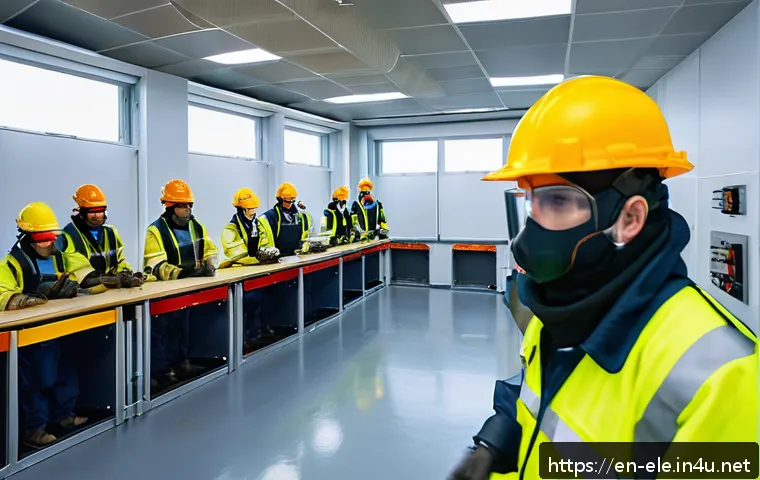
Some common mistakes include using improper locks, skipping verification steps, or neglecting to communicate changes to all personnel. In my experience, these errors often come from complacency or time pressure.
Avoiding these pitfalls means reinforcing the importance of LOTO through continuous training and audits, and fostering an environment where safety always trumps speed.
Electrical Safety Training: Building Competence and Confidence
Customized Training Programs for Different Experience Levels
One size doesn’t fit all when it comes to safety training. New electricians need foundational knowledge, while veterans benefit from updates on evolving standards and technologies.
I’ve been involved in tailoring training sessions to match skill levels, which helps maintain engagement and retention. This approach ensures everyone gains the relevant skills to protect themselves and their colleagues effectively.
Incorporating Real-Life Scenarios and Hands-On Practice
Learning from real incidents makes safety training hit home. Sharing stories about near-misses or accidents I’ve encountered has helped my trainees understand the real stakes.
Additionally, hands-on practice—like simulating emergency shutdowns or PPE donning—builds muscle memory that’s invaluable on the job. This combination of theory and practice boosts confidence and preparedness.
Continuous Education and Refresher Courses
Safety protocols evolve, and so must your knowledge. I recommend scheduling regular refresher courses to keep skills sharp and update teams on new regulations or equipment.
This ongoing education helps prevent complacency and fosters a proactive attitude toward electrical safety, which ultimately leads to fewer incidents.
Emergency Response and Incident Management Strategies
Preparing for Electrical Emergencies
Knowing what to do in an emergency can make the difference between a minor incident and a fatality. I always stress the importance of having clear action plans, including how to safely disconnect power, provide first aid, and alert emergency services.
Practicing these responses regularly ensures that when the moment comes, everyone acts swiftly and correctly.
Effective Communication During Crises
Clear, calm communication is essential during an emergency to prevent chaos and additional injuries. I’ve seen teams falter because messages weren’t relayed properly or panic set in.
Establishing communication protocols, like designated roles and reliable channels, helps maintain order and facilitates faster resolution.
Post-Incident Review and Learning
After an incident, it’s tempting to move on quickly, but thorough review is critical. I always participate in debriefs to analyze what happened, what went wrong, and how to improve safety measures.
This process not only prevents repeat accidents but also reinforces a culture of accountability and continuous improvement.
| Safety Aspect | Key Practice | Common Mistakes | Recommended Action |
|---|---|---|---|
| Hazard Recognition | Identify both obvious and hidden risks | Ignoring environmental or fatigue factors | Conduct thorough site assessments and monitor worker condition |
| PPE Usage | Choose and maintain appropriate gear | Wearing damaged or incorrect PPE | Regular inspection and training on correct usage |
| Tool Safety | Routine inspection and safe handling | Using faulty or improperly stored tools | Daily checks and organized storage systems |
| Lockout/Tagout | Strict adherence to LOTO protocols | Skipping verification or communication steps | Team training and enforced procedures |
| Training | Customized, scenario-based education | Generic or outdated content | Regular updates and hands-on practice |
| Emergency Response | Clear plans and communication | Panic and poor coordination | Drills and defined communication roles |
In Conclusion
Electrical safety demands constant vigilance and respect for both visible and hidden risks. Through proper training, equipment maintenance, and adherence to safety protocols, we can significantly reduce workplace accidents. Remember, safety is a shared responsibility that protects not just yourself but everyone around you. Staying informed and prepared makes all the difference in creating a secure work environment.
Helpful Tips to Keep in Mind
1. Always conduct a thorough site assessment before starting any electrical work to identify all potential hazards.
2. Customize your personal protective equipment (PPE) based on the specific job and environment to maximize safety.
3. Regularly inspect and maintain your tools and PPE to ensure they function properly and provide full protection.
4. Follow lockout/tagout procedures meticulously and encourage team communication to prevent unexpected energization.
5. Engage in ongoing, hands-on safety training that includes real-life scenarios to build confidence and competence.
Key Takeaways for Electrical Safety
Prioritize recognizing both obvious and subtle hazards to avoid overlooked dangers. Proper selection, maintenance, and correct use of PPE are essential to reduce injury risks. Keep tools in good condition and store them safely to prevent accidents. Lockout/tagout procedures must be strictly followed with clear team coordination. Finally, invest in continuous, practical training and establish emergency response plans to maintain a culture of safety and readiness on every job site.
Frequently Asked Questions (FAQ) 📖
Q: uestions about Electrical SafetyQ1: What are the most important safety measures electricians should follow on the job?
A: The key safety measures include always turning off power before starting work, using insulated tools, wearing proper personal protective equipment like gloves and safety glasses, and double-checking circuits with a tester before touching wires.
From my experience, even experienced electricians sometimes overlook these basics, but sticking to them consistently can prevent most accidents. It’s also crucial to stay alert and avoid distractions, as a moment’s inattention can lead to serious injury.
Q: How can new electricians build confidence in handling electrical safety protocols?
A: For newcomers, hands-on training and mentorship are invaluable. I remember when I first started, shadowing a seasoned electrician helped me understand real-world risks and how to manage them.
Taking time to thoroughly learn safety standards, practicing proper lockout/tagout procedures, and never hesitating to ask questions can boost confidence.
Also, regularly reviewing safety guidelines and participating in refresher courses keeps your knowledge sharp and your approach cautious.
Q: What should I do if I notice unsafe conditions on a job site?
A: If you spot any unsafe conditions—like exposed wiring, faulty equipment, or lack of proper PPE—it’s critical to address it immediately. Report the issue to your supervisor or safety officer without delay.
In my experience, speaking up early prevents accidents and protects everyone on site. If possible, isolate the hazard or mark the area to warn others until the problem is fixed.
Remember, safety is a team effort, and your vigilance can save lives.