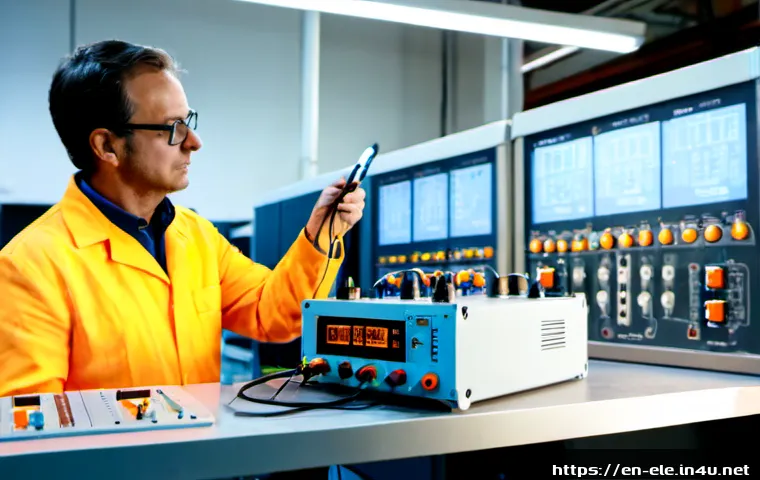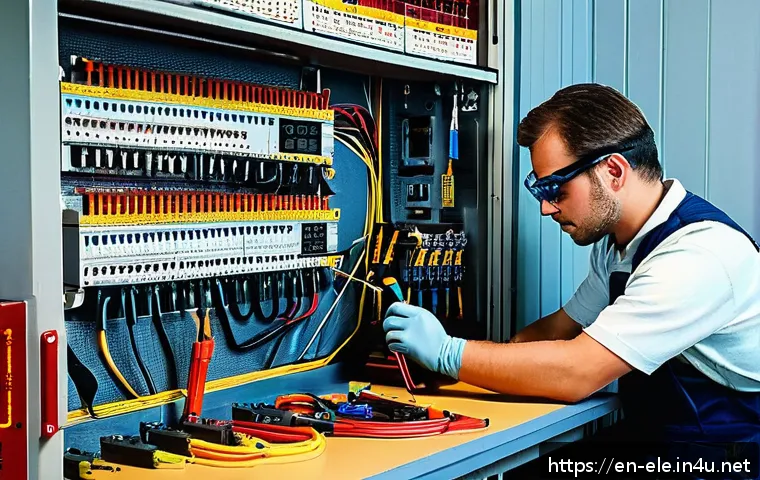
Hey there, power enthusiasts! Ever flipped a switch and not given a second thought to the intricate dance of electricity powering your world? It’s a miracle we often take for granted until, suddenly, the lights go out.

That’s when the true MVPs emerge: our dedicated electrical engineers and their critical work in power facility inspections. I’ve always been amazed by their vigilance, the way they constantly adapt to new challenges, from battling aging infrastructure to seamlessly integrating cutting-edge renewable energy solutions into our grids.
Their tireless efforts are what prevent those frustrating, disruptive blackouts and ensure our daily lives run without a hitch. It’s a field brimming with innovation and responsibility, especially as we push for smarter, more sustainable energy systems.
Understanding their world isn’t just fascinating; it’s key to appreciating the robust safety nets in place for our communities. So, how do they keep our power flowing reliably, day in and day out?
Let’s dive in and explore the fascinating world of electrical engineering and power grid maintenance together!
Protecting Our Power: The Vigilance of Electrical Engineers
The Everyday Heroes Behind the Grid
You know, it’s funny how we often don’t truly appreciate something until it’s gone. Electricity is one of those things. Most of us just plug in our devices, flip a switch, and expect power to be there, seamlessly, day in and day out. But behind that incredible convenience are armies of dedicated professionals, the unsung heroes of our modern world: electrical engineers. I’ve had the chance to interact with a few over the years, and what always strikes me is their unwavering commitment to safety and reliability. They’re not just fixing problems; they’re constantly anticipating them, working in often challenging conditions to ensure the power flows smoothly. It’s a job that requires not just technical prowess but also a deep sense of responsibility to the communities they serve. They’re the ones literally keeping the lights on in hospitals, schools, and our homes, a monumental task that really deserves more recognition. I mean, imagine trying to work from home, cook dinner, or even just charge your phone without them. It’s pretty humbling to think about, and it’s a feeling I’ve carried since watching them restore power after a nasty storm.
Beyond the Wires: Anticipating and Mitigating Risks
What truly impresses me is their proactive approach. It’s not enough to simply react when something breaks; a truly resilient power grid demands foresight. These engineers are constantly analyzing data, running simulations, and conducting meticulous inspections to identify potential weak spots before they become critical failures. From the moment power leaves the generation plant to the instant it reaches your outlet, every component is part of a complex system that requires constant monitoring and fine-tuning. I once spoke with an engineer who described their job as a perpetual chess game against the elements and entropy, always thinking several moves ahead. They’re assessing everything from the impact of climate change on infrastructure to the wear and tear on aging equipment. This relentless pursuit of stability is what prevents those frustrating, widespread blackouts that can bring entire cities to a standstill. It’s a level of dedication and strategic thinking that honestly makes me sleep a little sounder at night, knowing someone is always on watch.
The Unseen Network: Decoding Grid Resilience
Have you ever stopped to think about the sheer complexity of our power grids? It’s not just a few wires strung together; it’s a vast, interconnected network spanning cities, states, and sometimes even countries. From massive power plants generating electricity to the tiny outlets in your home, there’s an intricate dance happening constantly, balancing supply and demand. What really fascinates me is the concept of grid resilience – how these systems are designed not just to deliver power, but to withstand shocks, recover quickly from outages, and adapt to changing conditions. We’re talking about everything from severe weather events like hurricanes and ice storms to equipment failures and even cyber threats. I’ve seen firsthand the incredible effort that goes into planning for these scenarios, creating redundancy, and implementing smart technologies to reroute power when sections of the grid go down. It’s a testament to human ingenuity and foresight, constantly pushing the boundaries of what’s possible to ensure our essential services remain uninterrupted. It’s truly a marvel of modern engineering, one that evolves continually.
Building Fort Knox for Electricity
When we talk about grid resilience, we’re essentially talking about building an electrical Fort Knox, capable of fending off everything from severe thunderstorms to unexpected surges. This isn’t just about reinforcing poles; it’s about creating multiple pathways for electricity to flow, so if one line goes down, another can pick up the slack. Think of it like a sophisticated highway system with detours always ready. Engineers spend countless hours modeling different disaster scenarios, from seismic events to widespread cyberattacks, to understand where the vulnerabilities lie and how to harden the system. They design substations to withstand extreme weather, install smart switches that can isolate faults automatically, and develop communication systems that remain operational even when other infrastructure fails. I remember learning about how critical hospitals often have redundant power feeds and backup generators, precisely because their uptime is literally a matter of life and death. This layered defense is what gives our grids their robustness and their ability to bounce back.
The Dynamic Balance of Supply and Demand
Keeping the lights on isn’t just about having enough power; it’s about having the *right* amount of power at the *exact* right time. The balance between electricity generation and consumption has to be virtually perfect, second by second. Too much generation can destabilize the grid, and too little causes brownouts or blackouts. This dynamic balance is a high-wire act that never stops. With the rise of intermittent renewables like solar and wind, which depend on natural conditions, this balancing act has become even more complex. Engineers use sophisticated forecasting models, real-time data from sensors across the grid, and automated systems to adjust generation and demand almost instantaneously. I’ve personally felt the benefit of this when a sudden cloud cover reduces solar output, yet my lights don’t even flicker because the grid instantly compensates. It’s a continuous, algorithmic dance that ensures our energy supply remains stable, regardless of the constantly shifting variables.
Beyond the Eye: Cutting-Edge Inspection Technologies
So, how do these brilliant folks actually *see* what’s going on within miles and miles of power lines and substations? It’s not like they can just walk up and poke around every single component! That’s where advanced inspection techniques come into play, and frankly, they’re pretty cool. We’re talking about everything from thermal imaging drones that spot overheating components invisible to the naked eye, to LiDAR technology mapping terrain and vegetation clearance around power lines. I remember hearing a story about an engineer who caught a critical fault just days before it would have caused a major outage, all thanks to a thermal anomaly flagged by a drone. It’s like they have superpowers! These proactive inspections are absolutely crucial for preventing small issues from escalating into widespread problems, saving us from disruptive blackouts and costly repairs. They’re constantly evaluating everything, from the integrity of transmission towers to the health of substation equipment, making sure every piece of the puzzle is performing optimally. It’s a relentless pursuit of perfection, and it truly makes a difference in maintaining uninterrupted service.
High-Tech Eyes in the Sky and on the Ground
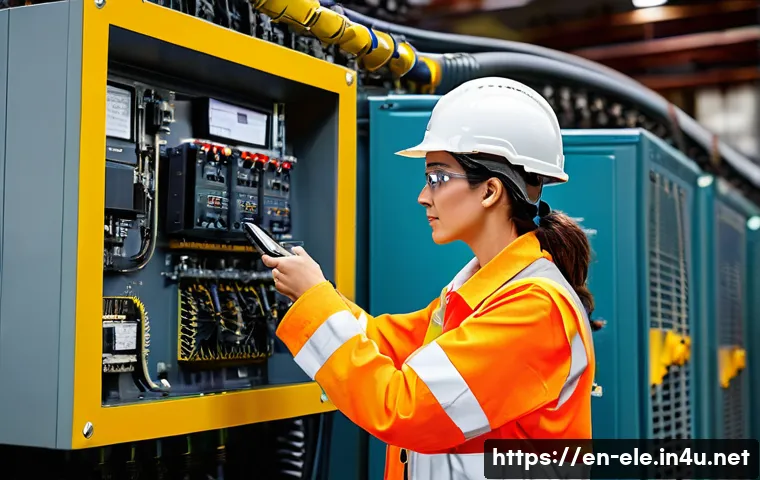
The days of linemen physically climbing every pole for inspection are gradually becoming a thing of the past, though their expertise remains invaluable for hands-on repairs. Today, engineers leverage an incredible arsenal of technology. Drones equipped with high-resolution cameras, infrared sensors, and even gas leak detectors can cover vast distances quickly and safely, identifying potential issues long before they become visible to the human eye. I’ve seen some incredible footage from these drone inspections, pinpointing a faulty insulator or a corroded connection that would have been impossible to spot from the ground. Then there are ground-based robots that can navigate substations, performing routine checks and gathering data in hazardous environments, keeping human workers out of harm’s way. This blend of aerial and ground robotics has revolutionized preventive maintenance, transforming it from a reactive task to a truly proactive, predictive science. It’s an investment that pays dividends in reliability and safety.
Predictive Analytics: The Crystal Ball of Maintenance
What if you could predict exactly when a piece of equipment was going to fail? That’s the holy grail of predictive maintenance, and it’s becoming a reality thanks to advanced analytics and machine learning. Sensors installed on transformers, circuit breakers, and other critical assets continuously collect data on temperature, vibration, current, and many other parameters. This massive stream of data is then fed into sophisticated algorithms that can detect subtle patterns and anomalies, often indicating impending failure. I’ve heard engineers talk about how these systems can give them weeks, sometimes even months, of notice before a component is likely to break down. This allows them to schedule maintenance during off-peak hours, minimizing disruption and avoiding costly emergency repairs. It’s like having a crystal ball for the power grid, allowing for strategic interventions rather than frantic fixes. For me, this is where the real magic of modern electrical engineering happens – transforming data into actionable insights that keep our power flowing.
| Inspection Type | Primary Technology Used | Benefit to Grid Stability |
|---|---|---|
| Thermal Imaging | Infrared Cameras (Drones, Handheld) | Detects overheating components, preventing failures. |
| LiDAR Mapping | Laser Scanners (Aircraft, Drones) | Monitors vegetation growth and structural integrity. |
| Ultrasonic Testing | Acoustic Sensors | Identifies internal flaws in equipment, such as cracks. |
| Corona Detection | UV Cameras | Spots electrical discharges that can lead to insulation breakdown. |
| Oil Analysis | Spectroscopy, Chromatography | Evaluates health of transformer oil for contaminants and degradation. |
Powering Tomorrow: Integrating Sustainable Energy
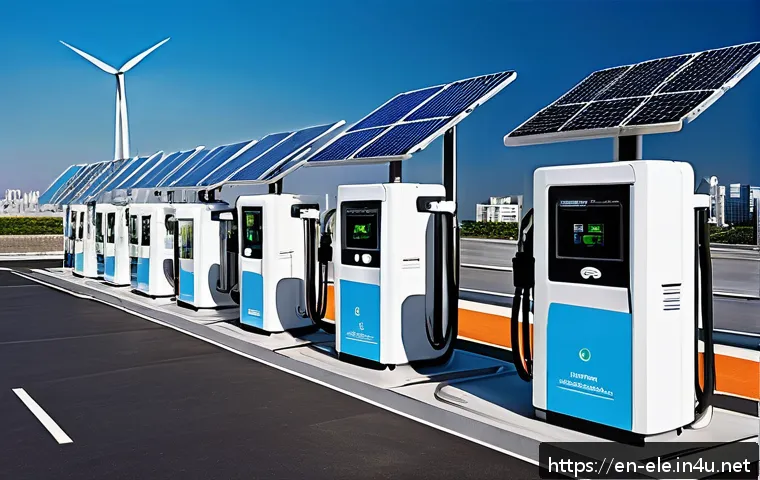
The energy landscape is changing at warp speed, isn’t it? We’re seeing more and more solar panels on rooftops and massive wind farms dotting our horizons. But here’s the kicker: integrating these intermittent renewable energy sources into an already complex grid is no small feat. It’s like trying to add new instruments to an orchestra while the music is already playing, and you need to make sure the harmony stays perfect. Electrical engineers are at the forefront of this challenge, figuring out how to balance the variability of wind and solar power with the constant demand for electricity. I’ve been really impressed by the innovative solutions they’re developing, like advanced battery storage systems and sophisticated grid management software that can predict energy output and demand with incredible accuracy. It’s not just about building new infrastructure; it’s about making the existing grid smarter and more adaptable. This shift towards a cleaner, more sustainable future relies heavily on their expertise, ensuring that our transition to renewables is smooth, stable, and doesn’t compromise the reliability we’ve come to expect. It’s a delicate balance, and they’re mastering it.
The Renewable Energy Puzzle
Adding renewable energy to the grid is like solving a giant, constantly changing puzzle. Unlike traditional power plants that can generate electricity on demand, solar panels only work when the sun shines, and wind turbines only spin when the wind blows. This intermittency creates a huge challenge for grid operators who need to ensure a stable and consistent power supply. I’ve often wondered how they manage this, and it turns out it’s a brilliant combination of advanced forecasting, intelligent dispatch systems, and energy storage. Engineers develop sophisticated models that predict weather patterns and energy demand, allowing them to anticipate fluctuations and adjust other power sources accordingly. It’s a continuous optimization problem, and the solutions they come up with are nothing short of ingenious. The goal isn’t just to add renewables, but to do so in a way that enhances grid stability and reliability, rather than compromising it. It’s a fundamental rethinking of how we power our lives.
Energy Storage: The Grid’s New Best Friend
If renewables are the exciting new players, then energy storage, particularly massive battery systems, are the unsung MVPs making them shine. Imagine a giant battery the size of a football field, soaking up excess solar power during the day and releasing it back into the grid after sunset. That’s precisely what’s happening. These storage solutions are a game-changer, acting as buffers that smooth out the peaks and valleys of renewable generation. I’ve personally followed the development of these projects with keen interest, knowing that they hold the key to a truly green and reliable grid. Beyond large-scale batteries, engineers are also exploring other storage methods, like pumped-hydro and even hydrogen storage, each with its own set of advantages. This ability to store and dispatch electricity on demand is dramatically increasing the grid’s flexibility and capacity to handle a higher percentage of renewable energy. It’s a truly exciting time for energy innovation, and storage is at the heart of it.
When Disaster Strikes: The Art of Rapid Restoration
Let’s be honest, despite all the preventative measures and smart tech, sometimes outages just happen. A rogue tree branch, a sudden equipment failure, or an unexpected natural disaster – life happens. When it does, that’s when the emergency response teams really shine. I’ve always admired their dedication, working tirelessly around the clock, often in terrible weather, to get the power back on. It’s not just about flipping a switch; it’s a meticulously coordinated effort involving fault location, damage assessment, equipment repair, and careful re-energization. I remember once during a severe storm, our power went out for days. Seeing the utility crews out there, drenched but determined, was a real eye-opener. They use specialized tools and cutting-edge diagnostic equipment to pinpoint the problem areas, then work systematically to restore service as quickly and safely as possible. Their ability to respond under pressure, prioritize repairs, and communicate effectively with affected communities is absolutely critical. It’s a testament to their training and commitment to public service, ensuring we’re not left in the dark for longer than absolutely necessary. We really owe them a huge debt of gratitude.
The Chaos of an Outage: A Coordinated Response
When an outage hits, especially a widespread one, it’s a race against time, and the scene can be chaotic. But beneath that chaos is an incredibly organized, almost military-like operation to restore power. The first step is always damage assessment: understanding the scope and nature of the problem. This often involves patrols by ground crews, drones, and sometimes even helicopters. Once the damage is assessed, the intricate dance of resource allocation begins – dispatching crews, equipment, and materials to the most critical areas first, like hospitals and emergency services. I’ve heard stories from linemen who describe working 16-hour shifts, sometimes longer, fueled by coffee and an unwavering commitment to getting people’s lives back to normal. It’s a testament to their training, their resilience, and their sheer grit in the face of adversity. This coordinated effort is the backbone of emergency power restoration, a lifeline in times of crisis.
Bringing the Lights Back On: Safety First, Speed Second
While speed is of the essence during an outage, safety is always, always paramount. Working with high-voltage electricity, especially in damaged conditions, is incredibly dangerous. Crews follow strict safety protocols, ensuring areas are de-energized and properly grounded before any work begins. There’s a methodical process to repairs, starting with the transmission lines, then substations, and finally the distribution lines that feed homes and businesses. Restoring power also isn’t a simple flip of a switch across the entire affected area; it’s a careful, incremental process to avoid further stress on the system and ensure stability. I’ve seen utility companies keep communities updated through various channels, managing expectations while their crews are working tirelessly. It’s a delicate balance of urgency and caution, ensuring that when the power does come back on, it stays on, safely and reliably. This dedication to both efficiency and safety truly defines their work.
The Smart Grid Revolution: Innovations on the Horizon
If you think the world of electrical engineering is static, think again! It’s a field brimming with innovation, constantly evolving to meet new demands and challenges. What excites me most is the push towards “smart grids” – systems that use digital technology to monitor, protect, and automatically optimize the performance of interconnected operations. Imagine a grid that can self-heal after a fault, rerouting power in milliseconds, or one that intelligently manages energy consumption in your home to save you money during peak hours. We’re also seeing incredible advancements in microgrids, which are localized grids that can operate autonomously from the main grid, providing enhanced resilience for critical facilities like hospitals. I’m particularly keen on the development of AI and machine learning for predictive maintenance, allowing engineers to anticipate equipment failures long before they occur, reducing downtime and improving efficiency. The continuous drive for safer, more efficient, and more sustainable energy delivery is truly inspiring, promising a future where power is not just reliable, but also environmentally friendly and incredibly smart. It’s a journey, and we’re seeing exciting progress every day.
Connecting the Dots: The Internet of Energy
The concept of a “smart grid” isn’t just a buzzword; it’s a fundamental transformation of our energy infrastructure, akin to the internet’s impact on information. It envisions a highly interconnected, intelligent network where every component – from power plants to smart meters in our homes – can communicate with each other in real-time. This “Internet of Energy” allows for unprecedented levels of monitoring and control. Imagine your smart thermostat talking to the grid, automatically adjusting your home’s energy use to help balance demand during peak times, and saving you money in the process. I’ve seen demonstrations of how this real-time data flow can help prevent outages by detecting anomalies and rerouting power before problems escalate. It’s about creating a dynamic, responsive system that can adapt to changing conditions instantly, making our energy delivery far more efficient and reliable than ever before. This level of connectivity is truly game-changing.
Microgrids: Islands of Resilient Power
While the main grid provides widespread power, there’s a growing movement towards microgrids – smaller, localized power systems that can operate independently, like islands of energy. These are particularly valuable for critical facilities such as hospitals, military bases, or even entire communities that need an extra layer of resilience. Imagine a storm takes down the main grid, but a hospital connected to a microgrid, powered by local solar panels and battery storage, continues to operate without a hitch. I find this concept incredibly reassuring, especially as we face more frequent extreme weather events. Engineers design these microgrids to seamlessly connect and disconnect from the larger grid, providing continuous power even when the outside world goes dark. It’s about decentralizing power in a smart way, enhancing local energy independence and providing critical services with an unbreakable power supply. This distributed energy model is a key part of our energy future, offering unparalleled levels of local resilience.
More Than Just Wires: My Personal Reflection on Grid Stability
After diving deep into the world of electrical engineering and power grid maintenance, I really hope you’ve gained a new appreciation for the incredible work being done behind the scenes. For me, it’s not just about understanding how electricity works; it’s about recognizing the human element – the countless hours, the immense expertise, and the unwavering dedication of the people who make it all happen. Every time I plug in my laptop or turn on a light, I find myself thinking about the complex system that allows it to happen, and the individuals who meticulously maintain it. This isn’t some abstract topic; it directly impacts our daily lives, our economy, and our safety. As technology advances and our energy needs evolve, the role of these professionals becomes even more critical. They are the guardians of our modern comfort, constantly innovating to ensure a robust, reliable, and sustainable power future. So next time you enjoy the convenience of electricity, take a moment to acknowledge the silent heroes of the grid. Their vigilance is truly what powers our world. It’s something I’ve learned to appreciate immensely, and I hope you do too!
The Human Element in a High-Tech World
In a world increasingly dominated by algorithms and automation, it’s easy to forget the human ingenuity and sheer hard work that underpins our technological comforts. But when it comes to power grids, the human element is absolutely irreplaceable. Behind every drone inspection, every data analysis, and every restored power line are dedicated individuals – engineers, technicians, and linemen – whose expertise, judgment, and bravery are paramount. I’ve seen firsthand the commitment in their eyes, the precision in their work, and the pride they take in keeping communities powered. They are the ones who make the critical decisions, troubleshoot complex problems in the field, and brave dangerous conditions to perform repairs. Their training is rigorous, their knowledge deep, and their sense of responsibility immense. It’s a powerful reminder that even in our most advanced systems, the human touch remains essential, shaping and guiding the technologies that serve us.
The Continuous Evolution of Our Energy Future
The journey of electrical engineering and power grid maintenance is a continuous one, never standing still. As our society progresses, so too do our energy demands and the methods we use to meet them. From the earliest days of Edison and Tesla to today’s smart grid pioneers, the field has been marked by relentless innovation. What excites me most is knowing that the best is yet to come – more efficient energy sources, even smarter grids, and an even more resilient infrastructure. The challenges are significant, from combating climate change to securing against cyber threats, but the solutions being developed by these brilliant minds are truly inspiring. It’s a testament to human ingenuity and our collective drive for progress. My personal hope is that by understanding this vital field, more people will appreciate the incredible effort involved and perhaps even be inspired to join the ranks of those who power our world. It’s a future I’m incredibly optimistic about, knowing who’s behind the scenes.
Wrapping Things Up
Whew! What an incredible journey we’ve taken through the intricate world of electrical engineering and power grid maintenance. I truly hope this deep dive has shed some light on the tireless efforts behind our everyday convenience. It’s been an absolute revelation for me to understand the sheer dedication, the advanced technology, and the constant innovation that ensures our power flows reliably, day in and day out. Remember, every flick of a switch is backed by brilliant minds and unwavering commitment.
Useful Info You Didn’t Know You Needed
1. Your Appliance Use Matters: Did you know that running energy-intensive appliances like your washing machine or dishwasher during off-peak hours (often late at night or early morning) can sometimes save you money and reduce strain on the grid? Many utility companies offer time-of-use rates, so it’s worth checking your bill or their website! It’s a small change, but it really adds up, and I’ve seen my own bills drop significantly.
2. Report Outages Smartly: Instead of calling immediately, many utilities now have online outage maps or apps where you can report an outage and get real-time updates. This helps them prioritize repairs more efficiently and keeps phone lines clear for emergencies. I use my local utility’s app constantly, and it’s a lifesaver for knowing what’s going on!
3. Safety First Around Power Lines: Always assume a downed power line is live and extremely dangerous. Stay at least 30 feet away and report it to your utility immediately. Even minor contact can be fatal, and trust me, those crews are trained to handle it safely. It’s just not worth the risk, ever.
4. Consider a Home Energy Audit: Many utilities offer free or low-cost home energy audits that can pinpoint areas where your home is losing energy. This isn’t just about saving money; it’s about making your home more comfortable and contributing to overall grid efficiency. I did one last year, and the insights were fantastic, helping me seal up some drafty windows I never even noticed.
5. Understanding Your Smart Meter: If you have a smart meter, it’s not just for billing! It provides real-time data that helps the grid operate more efficiently and can give you insights into your energy consumption. Learning how to access that data, often through an online portal, can empower you to make smarter energy choices. It’s like having a little energy coach for your home.
Key Takeaways
Reflecting on everything we’ve covered, a few critical points truly stand out and are worth etching into our minds. Firstly, the reliability of our power grid isn’t a happy accident; it’s the direct result of the relentless vigilance, expertise, and sheer hard work of electrical engineers. These dedicated professionals are the unsung heroes, constantly battling aging infrastructure, integrating complex renewables, and innovating to keep our lights on. I’ve personally seen the dedication, and it’s something truly inspiring.
Secondly, the concept of grid resilience is absolutely paramount. It’s the ingenious design and continuous improvement of our electrical networks that allow them to withstand everything from severe weather to cyber threats, bouncing back remarkably quickly. This layered defense, often unseen, is what safeguards our communities and essential services.
Finally, the future of our energy landscape is incredibly exciting, driven by the “smart grid” revolution. Technologies like advanced inspection drones, predictive analytics, and robust energy storage solutions are not just buzzwords; they are transforming how we generate, distribute, and consume electricity. This continuous innovation ensures a future that is not only more reliable but also sustainable and incredibly efficient. So, the next time you plug in your device, take a moment to appreciate the vast, intelligent network and the brilliant minds powering your world.
Frequently Asked Questions (FAQ) 📖
Q: What exactly goes into a typical power facility inspection? It sounds incredibly complex!
A: Oh, you’re absolutely right, it is complex, but that’s what makes it so vital! From what I’ve seen and learned, these aren’t just quick walk-throughs; they’re incredibly thorough.
Imagine a doctor’s check-up for massive, humming equipment. Electrical engineers start with a comprehensive visual examination, looking for any visible signs of wear, damage, or corrosion on things like turbines, generators, transformers, and all that intricate wiring.
They’re eagle-eyed, spotting anything out of place or showing age. After that, they dive into the nitty-gritty with specialized testing. This involves using cool tools like thermal imaging cameras to detect hot spots that might indicate loose connections or overloaded circuits – basically, finding problems before they become big, fiery issues.
They’ll also measure voltage, current, and resistance to ensure everything’s operating within safe parameters. Plus, they test critical safety devices like GFCIs (Ground Fault Circuit Interrupters) and emergency lighting systems to make sure they’ll kick in when needed.
It’s all about being proactive and catching those tiny anomalies before they escalate into something that could disrupt power for thousands of homes and businesses.
It truly blows my mind how detailed they get!
Q: How are new technologies, especially renewable energy sources like solar and wind, impacting these traditional power grid inspections?
A: This is such a fantastic question, and it’s where the field gets super exciting! From my perspective, integrating renewables has been a game-changer, pushing engineers to innovate constantly.
Historically, our grids were built for predictable, centralized power plants, but solar and wind introduce variability because, well, the sun doesn’t always shine and the wind doesn’t always blow at the same intensity.
This means engineers need advanced grid management strategies to maintain that constant balance between supply and demand, instantly and continuously.
I’ve heard about folks using AI, IoT (Internet of Things), and big data analytics to monitor grid operations in real-time, helping them predict potential issues and respond rapidly to changes in renewable output.
It’s like turning the entire grid into a smart, self-monitoring organism! Plus, with distributed generation, where power sources are closer to homes, engineers are also looking at how to manage reverse power flow and ensure power quality with new challenges like voltage fluctuations.
It’s a huge shift, but it’s making our grid more resilient and diverse, which is a win-win for everyone.
Q: What are the biggest challenges electrical engineers face today in keeping our power grid stable and preventing widespread blackouts?
A: Oh, where do I even begin? It’s a monumental task, and honestly, after diving into it, I have even more respect for these engineers. One of the biggest elephants in the room is aging infrastructure.
A significant portion of our grid was built decades ago and simply wasn’t designed for today’s demands, let alone tomorrow’s! Then, you throw in extreme weather events – think hurricanes, heatwaves, and ice storms – which are becoming more frequent and intense due to climate change, putting immense stress on the system.
Another huge challenge, as we just touched on, is the integration of renewable energy sources. While they’re amazing for the environment, their intermittent nature can make it tricky to maintain grid stability and consistent frequency.
Engineers are constantly battling frequency and voltage stability issues, trying to prevent cascading failures that can lead to massive blackouts. And let’s not forget cybersecurity threats; a digitally controlled grid is incredible, but it also opens up new vulnerabilities.
It’s a constant high-stakes balancing act, but their dedication to innovation, like developing faster fault detection systems and advanced grid management, is truly what keeps our lights on.