Imagine a world without power. Seems impossible, right? Every single device we touch, from our smartphones to our smart homes, relies on an intricate, often invisible, dance of electricity.
And at the heart of this complex ballet are the brilliant minds of electrical engineers, tirelessly designing and innovating the power supply networks that quite literally keep our lives running.
They’re not just fixing wires; they’re pioneering the future, tackling everything from integrating massive renewable energy sources into our grids to creating the charging infrastructure for the electric vehicle revolution.
I’ve always been fascinated by how these unsung heroes manage to keep the lights on, especially with all the exciting advancements happening right now.
We’re on the cusp of truly transformative changes in how we generate, distribute, and consume power, moving towards smarter, more resilient, and sustainable systems.
It’s a field buzzing with innovation, pushing the boundaries of what we thought was possible with technologies like advanced battery storage, AI-driven grid management, and even wireless power transfer, transforming our daily lives in ways we’re only just beginning to grasp.
It’s truly a dynamic landscape, and understanding the challenges and incredible opportunities within power engineering and our global energy systems is more crucial than ever.
From fortifying our aging infrastructure against extreme weather to securing our digitized grids from cyber threats, the work of electrical engineers is undeniably at the forefront of shaping our collective future.
Ready to plug into the electrifying world of power? Let’s dive deep and explore this fascinating domain together.
Keeping Our World Humming: The Power Behind Modern Life
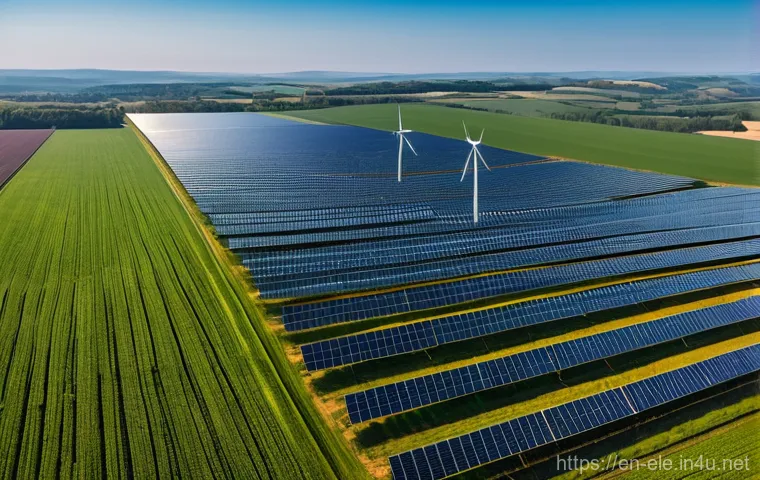
It’s easy to take electricity for granted, isn’t it? We flip a switch, and the lights come on. We plug in our phones, and they charge.
But behind every single one of those seemingly simple actions is an incredibly complex, constantly evolving symphony orchestrated by brilliant power engineers.
I often think about how much we rely on their expertise, from the massive generation plants that produce our power to the intricate transmission lines that carry it across vast distances, and finally to the distribution networks that deliver it right to our homes and businesses.
It’s not just about keeping the lights on; it’s about powering hospitals, schools, factories, and our entire digital world. The sheer scale of it is mind-boggling, and the responsibility that comes with maintaining such a vital system is immense.
I’ve personally been fascinated by the sheer dedication these professionals exhibit, constantly monitoring, upgrading, and troubleshooting to ensure reliability.
It’s a field where a tiny glitch can have widespread repercussions, making precision and foresight absolutely paramount. The work they do truly forms the backbone of our modern society, making every other technological advancement possible.
Without their continuous innovation and relentless problem-solving, our connected lives simply wouldn’t exist. This intricate dance of electrons, managed by expert hands, is what keeps everything running smoothly, allowing us to live, work, and play in a way that would have been unimaginable just a few decades ago.
It’s truly an unsung hero’s job, ensuring our daily routines are uninterrupted and our progress continues unabated.
The Silent Guardians: What Power Engineers Really Do
From Generation to Your Outlet: The Journey of Electricity
The Green Shift: How Renewables Are Redefining Energy
Oh, how the energy landscape has changed! It feels like just yesterday renewable energy was a niche topic, something discussed by environmentalists but not fully embraced by the mainstream.
Now, it’s at the forefront of every major energy discussion, and for good reason. I’ve seen firsthand how solar farms stretch across deserts, wind turbines dotting our coastlines, and even hydropower harnessing the might of rivers are becoming increasingly integral to our energy mix.
This isn’t just about being eco-friendly; it’s about creating a more diversified, resilient, and sustainable energy future for everyone. The challenges, of course, are massive – integrating intermittent sources like solar and wind into a stable grid requires incredible ingenuity and advanced technology.
Battery storage, for instance, is no longer a futuristic concept but a vital component, allowing us to store excess energy generated during sunny or windy periods and deploy it when needed.
I remember visiting a utility-scale battery storage facility a few years ago and being absolutely blown away by its capacity and the sophistication of its control systems.
It’s a testament to how far we’ve come, and honestly, it makes me incredibly optimistic about our ability to transition away from fossil fuels. This monumental shift isn’t just happening on a large scale; it’s empowering individuals and communities through rooftop solar and microgrids, giving us more control over our energy consumption than ever before.
It’s truly a thrilling time to witness this revolution unfold, knowing that every step we take towards renewables is a step towards a healthier planet and a more secure energy supply.
Harnessing Nature’s Power: Solar, Wind, and Beyond
The Storage Solution: Making Renewables Reliable
Beyond the Grid: Innovations Shaping Our Energy Future
If you think about it, the pace of innovation in energy feels like it’s never been faster. It’s not just about bigger turbines or more efficient solar panels anymore; we’re talking about truly transformative technologies that are pushing the boundaries of what we thought was possible.
Wireless power transfer, for example, sounds like something out of a sci-fi movie, but research is steadily advancing, promising a future where devices charge simply by being in a room.
And then there’s the incredible potential of advanced materials, making everything from superconductors to more efficient thermoelectric generators a reality.
I’m particularly excited about the potential of small modular reactors (SMRs) for nuclear power – they offer a safer, more flexible, and potentially more cost-effective way to produce carbon-free baseload power, a game-changer for grid stability.
The ingenuity involved in developing these next-generation solutions is simply astounding. We’re moving towards a future where energy isn’t just supplied but intelligently managed, customized, and even shared in ways that enhance efficiency and resilience.
It’s a thrilling ride to watch these ideas leap from laboratories into practical applications, fundamentally changing how we interact with and consume energy.
I often find myself daydreaming about a truly decentralized energy system where communities generate most of their own power, trading surpluses and creating a network far more robust and adaptable than our current centralized model.
These emerging technologies aren’t just incremental improvements; they’re paradigm shifts, promising to unlock unprecedented levels of energy freedom and environmental stewardship.
The Sci-Fi Becoming Reality: Wireless Power and Beyond
Small But Mighty: The Promise of Advanced Nuclear
Smart Power: The Brains Behind Our Resilient Infrastructure
Remember those old scenes in movies where a power outage plunged an entire city into darkness? While still possible, the reality is that our grids are becoming incredibly “smart,” using cutting-edge technology to prevent those very scenarios.
I’m talking about smart grids – not just a fancy buzzword, but a fundamental shift in how we manage and distribute electricity. These intelligent networks integrate digital communication technologies, advanced sensors, and sophisticated control systems to monitor energy flow in real-time, identify problems instantly, and even reroute power autonomously.
It’s like giving our electrical grid a highly advanced brain. I’ve heard countless stories from engineers about how smart grid technologies have helped prevent cascading failures during storms or quickly isolated faults, minimizing downtime for thousands of customers.
This level of automation and data analytics is revolutionizing grid operations, making them far more efficient, reliable, and adaptable to the fluctuating demands of modern life and the intermittent nature of renewables.
It’s truly fascinating to see how Artificial Intelligence and Machine Learning are playing an increasingly critical role, optimizing energy distribution, predicting demand, and even detecting potential anomalies before they become major issues.
The beauty of a smart grid lies in its responsiveness and its ability to learn and adapt, making our energy infrastructure far more robust against everything from extreme weather to sudden surges in demand.
It’s about being proactive rather than reactive, a huge step forward in securing our power future.
The Grid Gets Smarter: How Data and AI Are Transforming Delivery
Building Resilience: Protecting Against the Unexpected
| Component | Description | Benefit |
|---|---|---|
| Smart Meters | Advanced digital meters that record energy consumption in detail and communicate directly with the utility. | Real-time data for consumers and utilities, better demand management, faster outage detection. |
| Sensors & RTUs (Remote Terminal Units) | Devices placed throughout the grid to monitor conditions (voltage, current, temperature) and transmit data. | Enhanced grid visibility, early fault detection, proactive maintenance. |
| Advanced Distribution Automation (ADA) | Automated systems that control grid devices like reclosers and switches to optimize power flow and restore service. | Faster outage recovery, improved reliability, reduced manual intervention. |
| Energy Storage Systems | Batteries or other technologies that store excess energy from renewables or off-peak periods. | Grid stabilization, peak shaving, integration of intermittent renewable sources. |
| Cybersecurity Measures | Protocols, software, and hardware designed to protect grid infrastructure from cyber threats. | Ensures operational integrity, prevents unauthorized access and attacks, maintains public trust. |
The Electric Road Ahead: Fueling Our EV Dreams
If you’ve driven recently, you’ve probably noticed it: electric vehicles are no longer a rare sight. They’re everywhere, and their numbers are only growing, which is incredibly exciting!
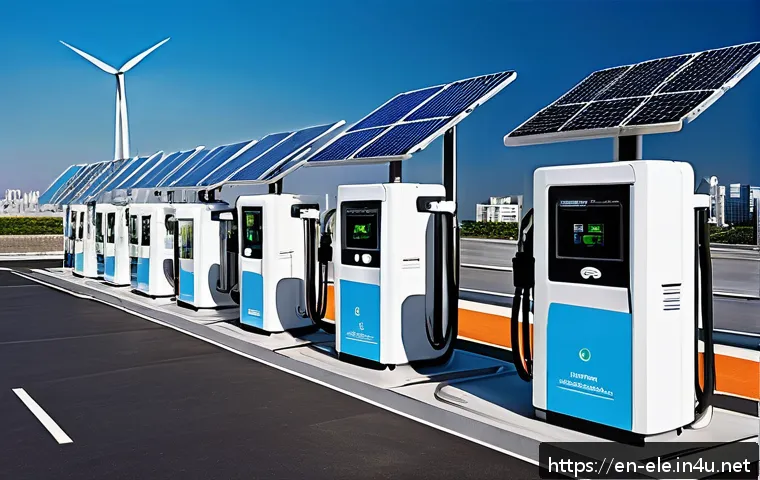
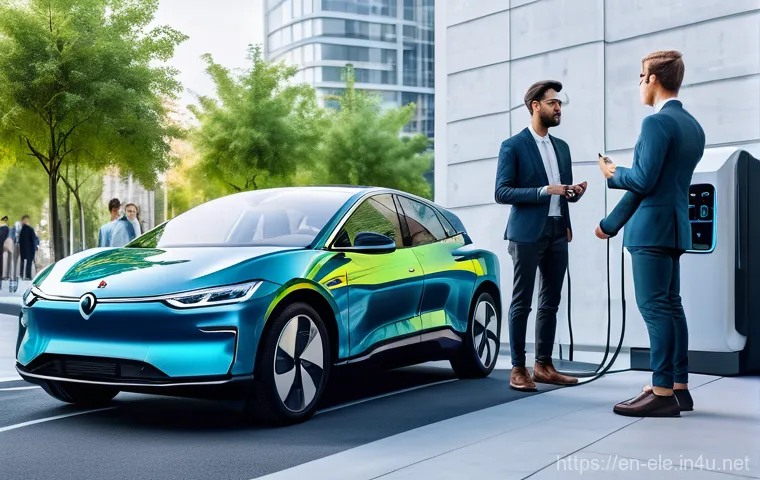
This rapid adoption, however, presents a whole new set of challenges and opportunities for power engineers. We’re not just talking about charging your car at home; we need a robust, widespread, and efficient charging infrastructure that can support millions of EVs on our roads.
This means everything from designing ultra-fast charging stations along major highways to integrating smart charging solutions in urban centers that can balance grid demand.
I remember the early days of EVs when “range anxiety” was a huge concern, but with more powerful batteries and expanding charging networks, that’s quickly becoming a thing of the past.
The innovations in this space are truly incredible, not just in charger technology but also in how EVs can interact with the grid, potentially even feeding power back during peak demand – a concept known as vehicle-to-grid (V2G).
It’s a dynamic interplay between transportation and energy that requires immense foresight and engineering prowess. I believe this isn’t just about cars; it’s about fundamentally rethinking urban planning, energy consumption patterns, and how we move people and goods.
The transformation is exciting, and I’m eagerly watching how power engineers continue to pave the way for a truly electric future, ensuring our cars are charged, our grids are stable, and our air is cleaner.
Charging Ahead: Building Robust EV Infrastructure
Beyond Just Driving: EVs as Grid Assets
Safeguarding Our Energy Lifelines: Cybersecurity in the Grid
It’s a sobering thought, but in our increasingly interconnected world, even our power grids aren’t immune to threats. With the rise of smart grids and digitized control systems, cybersecurity has become an absolutely paramount concern for power engineers.
I often reflect on how critical it is to protect these vital systems from malicious attacks that could cause widespread disruptions, impacting millions of lives and vast economic sectors.
It’s not just about preventing data breaches; it’s about safeguarding physical infrastructure through digital defenses. Think about the implications of a successful cyberattack on a major power plant or a central grid control system – the potential for chaos is immense.
Because of this, dedicated teams of cybersecurity experts are working hand-in-hand with power engineers to design resilient systems, implement robust firewalls, and continuously monitor for suspicious activity.
The threat landscape is constantly evolving, requiring continuous vigilance and proactive strategies to stay one step ahead of potential adversaries. I’ve heard specialists describe it as a constant chess match, where new vulnerabilities are always being sought out and defended against.
The trust we place in our energy infrastructure hinges heavily on its security, and it’s a field where expertise, constant learning, and unwavering dedication are absolutely non-negotiable.
This hidden battle for our energy security is happening every single day, quietly protecting the essential services we all rely upon without a second thought.
The Invisible War: Protecting Digital Energy Systems
Building a Digital Fortress: Strategies for Grid Security
The Human Element: Careers and Impact in Power Engineering
What truly makes this field electrifying, beyond the technology, are the people. The power engineers, researchers, technicians, and policymakers are the ones driving all this incredible change.
I’ve had the privilege of meeting many individuals in this sector, and their passion for innovation and commitment to public service are truly inspiring.
It’s not just about crunching numbers or designing circuits; it’s about solving real-world problems that affect everyone, every single day. From developing renewable energy solutions in remote communities to optimizing urban grids for efficiency, the impact is tangible and far-reaching.
The career paths within power engineering are incredibly diverse too – you could be working on massive utility projects, designing cutting-edge components for electric vehicles, developing software for smart grid management, or even advising governments on energy policy.
The demand for skilled professionals in this area is only going to grow as we navigate the energy transition. I often tell younger folks interested in STEM that power engineering is one of the most impactful and future-proof careers out there.
It requires a blend of technical acumen, problem-solving skills, and a genuine desire to make a difference in the world. It’s a rewarding journey where you’re constantly learning, constantly challenged, and constantly contributing to a sustainable future for us all.
The human ingenuity at the heart of it all is what truly makes this domain so compelling.
Diverse Paths, Global Impact: What a Career Entails
Shaping Tomorrow: The Role of Policy and Education
Wrapping Things Up
Whew! What an incredible journey we’ve taken through the dynamic world of power engineering. It’s truly amazing to see how much thought, innovation, and sheer hard work goes into keeping our modern lives powered. From the colossal power plants to the tiny microchips in your smart devices, every flicker of light and every charged battery is a testament to the brilliance of these unsung heroes. I hope this deep dive has given you a newfound appreciation for the complex systems that hum along silently in the background, making our connected world possible. It’s a field constantly evolving, always pushing the boundaries of what’s possible, and always with an eye on a more sustainable, resilient future.
Useful Information to Keep in Mind
1. Master Your Home’s Energy Use
Ever feel like your electricity bill is a mystery? Smart meters and home energy management systems are game-changers! They give you real-time insights into your consumption, helping you spot “energy vampires” (devices drawing power even when off) and adjust your habits. I personally found that just seeing how much energy my old fridge was using convinced me to upgrade, and I saw a noticeable drop in my bill. Understanding your bill’s components—like kWh usage and time-of-use rates—can empower you to make smarter choices. Many utility companies offer apps or online portals where you can track your usage, which is a fantastic first step towards taking control and saving money.
2. Embrace Smart Tech for Savings
Those smart home devices aren’t just for convenience; they’re energy-saving powerhouses! Smart thermostats, for instance, can learn your schedule and optimize heating and cooling, potentially saving you a good chunk on your energy bills each year. I remember setting up my first smart thermostat and being amazed at how it adjusted temperatures when I was away, ensuring comfort without waste. Smart lighting and power strips that cut power to idle devices also make a huge difference. Think about integrating these—they offer both enhanced control and a smaller carbon footprint.
3. Your Role in the Energy Transition Matters
It’s easy to feel like the global energy transition is too big for individuals to impact, but that couldn’t be further from the truth! Every conscious choice you make, from opting for energy-efficient appliances to considering rooftop solar, contributes to a greener future. Actively participating in programs like demand response, where you adjust your energy use during peak times, can help stabilize the grid and even save you money. I’ve seen communities come together to support local renewable projects, proving that collective small actions create significant change.
4. Keep an Eye on Your Appliances
Did you know many of your everyday appliances have hidden energy-saving potential? Simple things like setting your refrigerator to the optimal temperature (around 38°F or 3-4°C) or ensuring your dishwasher and washing machine are only run with full loads can really add up. I’ve made it a habit to clean my dryer’s lint filter after every use, and not only does it save energy, but it also makes the dryer more efficient. Unplugging chargers when they’re not in use or using smart power strips for electronics also combats “phantom load” – electricity drawn by devices even when they appear off.
5. The Grid is Evolving – Stay Informed!
The electricity grid is not static; it’s undergoing a massive transformation, becoming smarter, more resilient, and more integrated with renewable energy. This means new opportunities and new ways for us, as consumers, to interact with our energy supply. Understanding concepts like microgrids, bidirectional charging for EVs, and how AI is optimizing grid operations isn’t just for engineers; it helps you appreciate the bigger picture and how your energy choices fit into it. Staying informed means you’re better prepared for the future and can leverage emerging technologies to your advantage.
Key Takeaways
Reflecting on everything we’ve covered, a few crucial points truly stand out and paint a vivid picture of our energy present and future. First and foremost, our world runs on an intricate, constantly evolving electrical backbone, meticulously managed by incredibly dedicated power engineers whose work is often unseen but profoundly impacts every aspect of our lives. Their expertise is truly the silent force that powers our progress. Secondly, the shift towards renewable energy isn’t just a trend; it’s a fundamental redefinition of our energy sources, promising a cleaner, more resilient, and decentralized future. We’re moving away from traditional, centralized power to a diverse mix that includes solar, wind, and innovative storage solutions, which is a thrilling prospect for both our planet and our energy security. Thirdly, innovation isn’t slowing down; from futuristic wireless power to small modular reactors, breakthroughs are continuously reshaping what’s possible, pushing the boundaries of efficiency and sustainability. Fourth, the rise of smart grids and AI is transforming our infrastructure into an intelligent, responsive network, capable of handling complex demands and protecting against disruptions, making our power supply more reliable than ever before. Lastly, the explosion of electric vehicles is not just changing how we commute but is creating entirely new demands and opportunities for our electrical grids, driving the need for robust charging infrastructure and smart grid integration. All these elements combined underscore a future where energy is not only about power but about intelligence, sustainability, and the collective effort of bright minds and informed citizens.
Frequently Asked Questions (FAQ) 📖
Q: What does an electrical engineer in power really do on a day-to-day basis, beyond just “keeping the lights on”?
A: Oh, that’s a fantastic question and one I get asked all the time! When I first started diving into this world, I imagined it was all about fixing circuit breakers, but it’s so much more dynamic and intricate.
From my conversations with folks in the field, and what I’ve seen firsthand, their daily grind can be incredibly varied. One day, an engineer might be deep in the weeds of designing a new smart grid system, figuring out how to balance fluctuating power from a massive solar farm with consistent energy demands.
They’re crunching numbers, running simulations, and making sure every single component can handle the load – it’s like a giant puzzle where millions of people depend on you getting it right!
The next day, they could be out in the field, overseeing the installation of a new high-voltage transmission line, or even troubleshooting a complex issue in a substation.
Think about the incredible responsibility of ensuring the reliability and stability of our entire power infrastructure. And with all the exciting advancements we talked about, like electric vehicles and smart homes, they’re constantly innovating.
They’re the ones conceptualizing the charging networks for EVs or developing the software that allows our appliances to talk to the grid for optimal energy use.
It’s truly a blend of theoretical design, practical application, and forward-thinking problem-solving. From what I’ve observed, they’re basically the architects of our electric future, constantly balancing efficiency, safety, and sustainability.
Q: How are things like renewable energy and the rise of electric vehicles truly transforming the role of power engineers?
A: This is where it gets really exciting, and a bit challenging too, if I’m honest! I’ve witnessed a massive shift in just the last few years alone. Before, much of power engineering revolved around large, centralized power plants, often fossil-fuel based, and a fairly predictable one-way flow of electricity.
But now? With the incredible growth of renewables like solar and wind, and the explosion of EVs, that model is completely flipped on its head. Imagine trying to manage a power grid when the sun isn’t shining or the wind isn’t blowing steadily – it’s a huge balancing act!
Power engineers are now grappling with how to integrate these intermittent energy sources seamlessly, developing advanced forecasting models and intelligent grid controls.
It’s not just about producing energy anymore; it’s about storing it efficiently with huge battery banks and distributing it intelligently, sometimes even back into the grid from your car!
The rise of EVs is another game-changer. It means a massive new electrical load that needs to be planned for, but also an opportunity for cars to become mobile energy storage units.
Power engineers are at the forefront of designing resilient charging infrastructures, figuring out how our existing grids can handle millions of new charging points, and even exploring vehicle-to-grid (V2G) technologies.
It’s a complex, multi-faceted problem that requires a completely new way of thinking about power, moving from a static system to an incredibly dynamic and responsive one.
It’s like they’ve gone from being symphony conductors to jazz band leaders – still guiding, but with so much more improvisation and real-time adaptation involved!
Q: What are some of the most cutting-edge technologies that power engineers are working on right now that will impact our daily lives in the near future?
A: Oh, this is my favorite part! It’s like living in a sci-fi movie sometimes, and what’s really cool is that power engineers are making it a reality. One of the biggest game-changers I’m seeing is advanced battery storage.
We’re not just talking about your phone battery; these are massive grid-scale batteries that can store excess renewable energy when it’s plentiful and release it when demand is high.
From what I’ve personally learned, this is key to making renewables truly reliable, and it means fewer blackouts and a more stable power supply for all of us.
Then there’s AI-driven grid management. Think of it as a super-smart brain for our electrical grid, constantly analyzing data, predicting energy needs, and even rerouting power in real-time to prevent outages or optimize efficiency.
It’s mind-blowing to think about how much more resilient our grids can become, especially with increasing extreme weather events. And here’s one that truly feels futuristic: wireless power transfer.
Imagine never having to plug in your phone, or even your electric car, because the power is just… there. While still in its earlier stages, power engineers are diligently working on making this a practical reality for specific applications, potentially transforming how we charge everything.
They’re also heavily involved in developing microgrids, which are like mini-power systems that can operate independently or connected to the main grid, offering incredible resilience to communities or critical facilities.
These innovations are not just theoretical; they are actively being developed and deployed, and I believe they’ll subtly, yet profoundly, change our daily routines and how we interact with energy, making our lives more convenient, efficient, and sustainable.