The world around us is transforming at an electrifying pace, isn’t it? If you’re anything like me, you’ve probably been witnessing the incredible energy shift firsthand, feeling that undeniable buzz about a greener future.
It’s not just a whisper anymore; it’s a roaring wave of innovation, driven by a global commitment to sustainability and a truly fascinating technological evolution.
From the sleek solar panels adorning rooftops to massive offshore wind farms redefining our coastlines, the push towards renewable energy is utterly unstoppable, and frankly, it’s thrilling to be a part of this era.
I’ve been keeping a close eye on this space, and it’s clear that the future isn’t just bright, it’s *powered* by groundbreaking clean energy solutions.
What I’ve personally observed, and what the latest industry forecasts confirm, is that this massive transition hinges on some seriously brilliant minds.
We’re talking about the unsung heroes who design the very backbone of this new world. I truly believe that at the heart of every single solar array, wind turbine, and smart grid system lies the ingenious work of electrical engineers.
They’re the ones translating ambitious climate goals into tangible, working power solutions, navigating everything from complex grid integration challenges to the exciting potential of AI in optimizing energy flow and predictive maintenance.
Their expertise is absolutely non-negotiable as we push the boundaries of what’s possible, especially with trends like advanced photovoltaics, robust energy storage, and the electrification of transportation rapidly gaining momentum.
It’s a demanding, dynamic field, and honestly, it’s one of the most impactful places to be right now. So, if you’ve ever wondered about the crucial role these professionals play in shaping our clean energy landscape, you’re in for a treat.
This article will accurately explain how electrical engineers are not just participating in, but truly leading, the charge in renewable energy projects, building the sustainable infrastructure of tomorrow.
The Powerhouse Behind Our Greener Tomorrow
Honestly, when I first started digging into the world of renewable energy, I was so captivated by the sheer scale of wind farms and the sleek aesthetics of solar panels. But as I peeled back the layers, I quickly realized that the real magic, the very heartbeat of this green revolution, lies with electrical engineers. It’s not just about installing a turbine; it’s about the intricate dance of electrons, the seamless integration into our existing grid, and making sure that power is delivered reliably and efficiently to our homes and businesses. These folks are literally wiring up the future, and their work touches every single facet of what we call ‘clean energy.’ I’ve personally seen the dedication, the late nights spent problem-solving, and the sheer intellectual horsepower it takes to transform a bold idea into a working reality. They’re the ones translating abstract environmental goals into tangible, electrifying solutions that power our lives. Without their expertise, many of these grand renewable visions would simply remain dreams on paper, gathering dust in some forgotten drawer. It’s truly inspiring to witness.
The Unseen Architects of Change
You know, it’s easy to overlook the foundational work when you’re admiring the finished product. But imagine trying to build a skyscraper without a structural engineer – impossible, right? The same goes for our energy future. Electrical engineers are the unseen architects, designing the circuits, systems, and controls that make everything hum. They’re involved from the very first spark of an idea, figuring out how to convert raw energy from the sun or wind into usable electricity, how to transmit it across vast distances, and how to distribute it to millions of users without a hitch. Their calculations are precise, their designs are robust, and their understanding of electrical physics is, frankly, mind-boggling. They don’t just connect wires; they create sophisticated networks that are smart, adaptable, and incredibly resilient. This isn’t just a job; it’s a calling, a passion for making a real, tangible difference in the world we live in.
Translating Vision into Voltage
I often think about the incredible challenge of taking a concept like “clean energy for everyone” and breaking it down into millions of individual components and connections. That’s what electrical engineers do every single day. They’re the ones who look at a vast desert and see a solar farm, not just a barren landscape, then figure out the precise angle for panels, the type of inverters needed, and how to connect it all to a distant city. Or they gaze at a churning ocean and envision offshore wind farms, then meticulously design the submarine cables and grid interconnections to bring that power ashore. This isn’t just about technical know-how; it’s about a unique blend of creativity and rigorous problem-solving. They literally translate our collective vision for a sustainable planet into the very voltage that flows through our grids, powering our devices and lighting our homes. It’s a complex, exhilarating, and absolutely essential process.
Designing the Backbone of Sustainable Grids
If you’re anything like me, you’ve probably heard the term “grid modernization” quite a bit lately. It sounds a bit abstract, doesn’t it? But really, it’s at the core of making renewables work on a massive scale. Think about it: our traditional grids were built for large, centralized power plants, often fossil fuel-based. Now, we’re trying to integrate thousands of distributed sources like rooftop solar, massive wind farms, and even electric vehicles. It’s like trying to get a symphony orchestra to play perfectly when half the musicians are improvising. Electrical engineers are the conductors here, designing the infrastructure that can handle this incredibly complex and dynamic energy landscape. They’re constantly innovating, finding ways to make the grid smarter, more resilient, and more flexible. I’ve personally chatted with engineers who light up when they talk about frequency regulation or voltage stability – things that sound incredibly technical, but are absolutely crucial for keeping our lights on when the wind isn’t blowing or the sun isn’t shining. Their work ensures that the energy from these intermittent sources can actually be used effectively and reliably.
Interconnecting Diverse Energy Sources
One of the biggest headaches – and triumphs – in renewable energy is getting all these different power sources to play nice together. You have intermittent sources like solar and wind, steady baseload from hydro, and then storage solutions, all needing to feed into the same grid. Electrical engineers are the maestros behind this grand orchestration. They design the transmission lines, substations, and control systems that allow a solar farm in California to send power to Arizona, or an offshore wind farm in the North Sea to power homes in mainland Europe. They deal with the physics of power flow, ensuring that electricity travels efficiently and without massive losses. It’s not just about brute force connections; it’s about intelligent design that optimizes energy transfer and minimizes waste. Their decisions on everything from cable sizing to switchgear configuration directly impact the efficiency and cost-effectiveness of our entire clean energy system. It’s a huge responsibility, but they shoulder it with impressive expertise.
Ensuring Grid Resilience and Reliability
Let’s be honest, no one wants to experience a power outage, especially in our increasingly connected world. This is where the electrical engineers truly shine in grid design. They’re not just building new infrastructure; they’re making it incredibly robust and able to withstand challenges like extreme weather events or cyber threats. They implement advanced protection systems, fault detection, and rapid restoration capabilities. I’ve heard stories about engineers working tirelessly during storms, remotely rerouting power and optimizing grid performance to minimize disruptions. They’re also deeply involved in developing microgrids – smaller, localized power systems that can operate independently if the main grid goes down, providing essential services to communities. Their focus on resilience ensures that as we transition to renewables, our power supply actually becomes *more* reliable, not less. It’s a painstaking process, but absolutely vital for public trust and safety.
From Sunlight to Socket: Engineering Solar Energy Systems
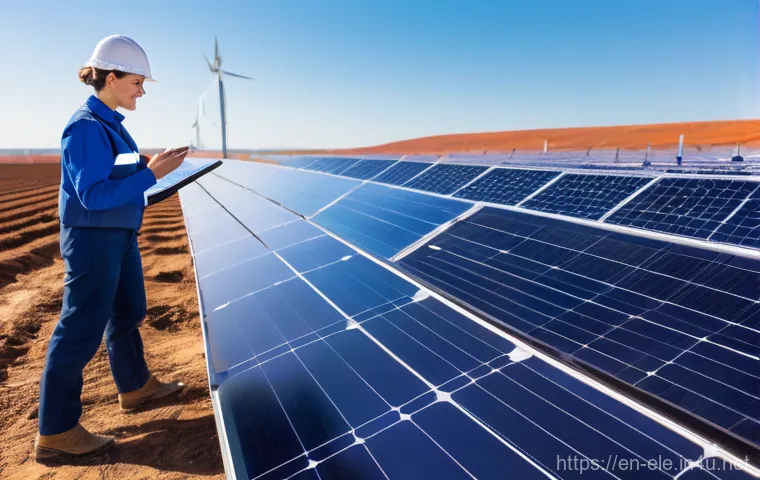
Walking through a field of solar panels is always a cool experience, isn’t it? It just feels like you’re witnessing the future. But making those panels actually deliver power to your toaster involves a whole lot more than just pointing them at the sun. This is where electrical engineers are absolutely indispensable. They’re the ones who design the entire system, from the individual photovoltaic (PV) cells all the way to the point where that electricity enters your home or the main grid. They have to consider everything from the optimal tilt and orientation of the panels, which varies by location and time of year, to the type of inverters that convert the DC electricity generated by the panels into the AC electricity we use. I remember one engineer explaining to me how crucial it is to match the inverter to the array size and to consider shading effects – it’s a constant puzzle of optimization. And let’s not forget the sheer scale of utility-scale solar farms, which require complex power electronics and sophisticated control systems to manage hundreds of megawatts of power. It’s a field that’s always evolving, and these engineers are at the forefront of those exciting changes.
Maximizing Photovoltaic Performance
It’s not enough to just put a solar panel out there; you need to squeeze every last drop of usable energy out of it. This is a core focus for electrical engineers working in solar. They delve into advanced materials science to improve PV cell efficiency, explore innovative panel designs that can capture more sunlight, and develop sophisticated tracking systems that follow the sun’s path throughout the day. They also optimize the electrical connections within the solar array, minimizing resistance and maximizing power output. I’ve been fascinated by the development of bifacial panels, for example, which can capture sunlight from both sides, increasing overall yield. Then there’s the crucial role of maximum power point tracking (MPPT) algorithms within inverters, which constantly adjust the electrical load to ensure the panels are operating at their peak efficiency, even under varying weather conditions. It’s a constant quest for improvement, and every percentage point gained in efficiency means more clean power for all of us.
Smart Inverter Technologies
The inverter used to be a relatively simple component – just convert DC to AC. But today’s inverters are incredibly sophisticated pieces of technology, thanks to the ingenuity of electrical engineers. These “smart inverters” are not just converting power; they’re actively managing the flow of electricity, providing grid support services, and communicating with other smart grid components. They can help regulate voltage, stabilize frequency, and even respond to grid disturbances by adjusting their output. Some advanced inverters can even store energy in batteries and release it when needed, or participate in demand response programs. I’ve seen firsthand how these devices can transform a simple solar installation into a proactive, intelligent energy asset. They are truly the unsung heroes of modern solar systems, acting as the brain that ensures seamless and reliable integration of solar power into our homes and the broader electrical grid. It’s a testament to the continuous innovation driven by electrical engineering expertise.
Harnessing the Wind: The Electrical Engineering Challenge
When you see a majestic wind turbine spinning gracefully on the horizon, it’s easy to focus on the blades and the sheer size. But for an electrical engineer, that’s just the tip of the iceberg! The real complexity, and the real genius, is inside that towering structure and in the cables snaking beneath the ground (or sea). Wind energy presents a unique set of electrical challenges because the wind is, well, windy! It’s inconsistent, and the output from a turbine can fluctuate rapidly. Electrical engineers are tasked with designing the generators, power converters, and control systems that can smoothly capture this erratic energy and transform it into stable, grid-compatible electricity. I’ve learned that a lot of thought goes into ensuring that when a gust of wind hits, the turbine doesn’t just surge power into the grid unpredictably, but rather converts it efficiently and manages any fluctuations. It’s an intricate dance of mechanical and electrical systems, all working in harmony, and it requires a deep understanding of dynamics and power electronics. It’s truly fascinating how they make these giants work so seamlessly.
Optimizing Wind Turbine Electrical Output
Getting the most out of a wind turbine isn’t just about big blades; it’s hugely about the electrical engineering inside. Engineers design variable-speed generators that can adapt to different wind speeds, ensuring optimal power capture across a wide range of conditions. They also implement advanced power electronics, like frequency converters, to transform the variable frequency output of the generator into the stable frequency required by the grid. This is a critical step, as inconsistent frequencies can cause major grid instability. I’ve spoken with engineers who are constantly tweaking these systems, using sophisticated algorithms to predict wind patterns and adjust turbine operation for maximum efficiency. They also focus on minimizing electrical losses within the turbine itself and in the cables that transmit power to the substation. Every design choice, from the winding of the generator to the type of insulation used in the cabling, plays a role in how much clean electricity a turbine ultimately delivers. It’s a relentless pursuit of efficiency that makes wind power such a viable option.
The Offshore Wind Frontier
Now, if you think onshore wind is challenging, imagine doing all that work miles out at sea! Offshore wind farms are a marvel of engineering, and electrical engineers are at the absolute heart of making them a reality. The challenges are multiplied: dealing with corrosive saltwater, incredibly long submarine cables, and the sheer logistics of installing and maintaining electrical equipment in such a harsh environment. Engineers design specialized power collection systems that gather electricity from dozens of turbines and then transmit it efficiently to an offshore substation. From there, massive export cables, often operating at very high voltages (HVDC – High-Voltage Direct Current, for example), carry the power hundreds of miles to shore. I’ve seen diagrams of these complex cable routes, and it’s truly astounding the level of detail and planning involved. They also have to account for the unique grid integration challenges that come with bringing such large blocks of power from a single, distant source onto the mainland grid. It’s truly pioneering work that pushes the boundaries of electrical engineering.
Storing Tomorrow’s Energy: Innovations in Battery Systems
Let’s talk about energy storage for a moment. This is a topic that genuinely excites me because, for a long time, it was the missing piece of the renewable energy puzzle. Solar and wind are fantastic, but they’re intermittent – the sun doesn’t always shine, and the wind doesn’t always blow. That’s where electrical engineers step in, revolutionizing how we capture and release energy on demand. They’re designing the battery management systems (BMS) that are the brains of every large-scale battery installation, ensuring safety, optimizing performance, and extending the lifespan of these incredibly important assets. It’s not just about slapping a bunch of batteries together; it’s about intelligent control, thermal management, and seamless integration with the grid. I’ve witnessed the rapid advancements in battery technology, and honestly, it feels like we’re just scratching the surface of what’s possible. These engineers are making it feasible for us to store excess renewable energy during peak production and then release it precisely when it’s needed, fundamentally changing the game for grid stability and reliability. It’s an incredible time to be involved in this space.
The Critical Role of Energy Storage
Without robust energy storage, our reliance on fossil fuel “peaker plants” – those inefficient power stations that fire up only when demand is high – would continue to be a problem. Electrical engineers are designing sophisticated battery energy storage systems (BESS) that can act as virtual power plants, providing quick-response power to the grid within milliseconds. They manage the charging and discharging cycles, ensuring optimal efficiency and longevity of the battery cells. They also develop the power conversion systems that interface these batteries with the AC grid, handling everything from voltage regulation to reactive power compensation. I’ve seen some truly innovative designs for grid-scale batteries, from massive containerized units to smaller, distributed systems. This technology isn’t just about storing electricity; it’s about providing essential grid services, enhancing stability, and truly enabling a higher penetration of renewables. It’s a complex but incredibly rewarding area of work, and these engineers are truly making a difference in how we manage our power.
Powering Microgrids and Beyond
Beyond the large grid-scale applications, electrical engineers are also driving the development of microgrids, which are localized energy systems that can operate independently or connected to the main grid. These are particularly vital for remote communities, military bases, or critical infrastructure like hospitals, offering enhanced energy security and resilience. Engineers design the control systems that manage the various distributed energy resources within a microgrid – solar panels, small wind turbines, generators, and battery storage – ensuring they all work in harmony. They create intelligent algorithms that decide when to charge batteries, when to use renewable generation, and when to draw power from the main grid (or disconnect from it). I find the concept of microgrids incredibly powerful because it empowers communities to have more control over their energy supply, making them less vulnerable to widespread outages. It’s another brilliant example of how electrical engineering is not just building a greener future, but a more resilient one too.
Smart Grids: Orchestrating a Cleaner Energy Future
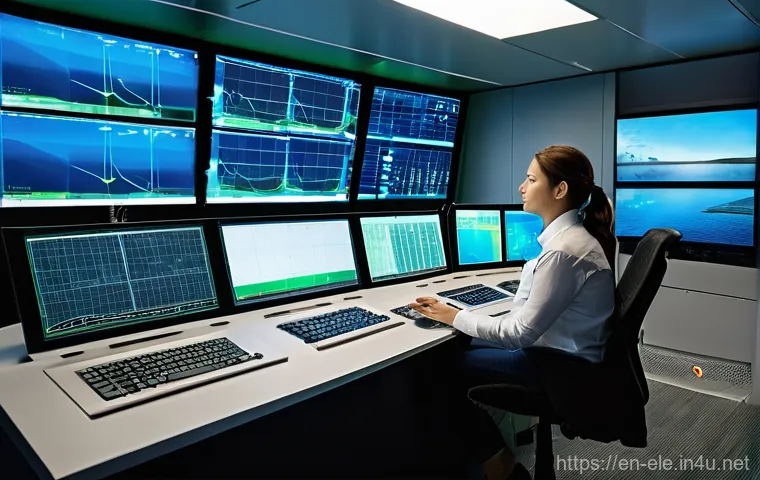
Okay, let’s talk about “smart grids” because this is where the future truly gets exciting, and frankly, a bit mind-bending. For me, a smart grid isn’t just about new wires; it’s about intelligence, communication, and a level of sophistication our old grid could only dream of. Electrical engineers are essentially turning our entire energy infrastructure into a giant, interconnected computer network. They’re integrating sensors, advanced metering infrastructure (AMI), and sophisticated communication protocols to create a two-way flow of information between power producers and consumers. This means the grid can self-heal after outages, optimize energy flow in real-time, and even anticipate problems before they occur. It’s like moving from a clunky old flip phone to the latest smartphone, but for our entire electrical system! The sheer amount of data they’re working with, and the algorithms they’re developing to make sense of it all, is genuinely impressive. It’s a huge shift from reactive management to proactive optimization, and it’s electrical engineers who are building the brains of this new energy world.
Intelligent Energy Management Systems
At the heart of any smart grid are the intelligent energy management systems, and these are entirely the domain of electrical engineers. They design the software and hardware that collect data from countless sensors across the grid, analyze it, and then make real-time decisions to optimize power flow, balance supply and demand, and ensure stability. This involves complex algorithms that can predict energy generation from fluctuating renewables and anticipate consumer demand, adjusting resources accordingly. I’ve heard engineers describe it as “grid orchestration,” where every component – from a rooftop solar panel to a massive wind farm – is playing its part in a harmonious system. They also develop demand response programs, allowing utilities to incentivize consumers to reduce energy use during peak times, thereby shaving off those expensive peaks and making the grid more efficient. It’s a dynamic, ever-evolving challenge that leverages cutting-edge technology to make our energy use smarter and more sustainable.
The Dawn of Predictive Maintenance
One of the coolest aspects of the smart grid, in my opinion, is the move towards predictive maintenance. Gone are the days of waiting for something to break down before fixing it. Thanks to electrical engineers, modern grid components are equipped with sensors that constantly monitor their health and performance. This data is then analyzed by sophisticated algorithms to predict when a component might fail, allowing maintenance crews to address potential issues *before* they cause an outage. This doesn’t just save money; it dramatically improves grid reliability and reduces downtime. Imagine knowing a transformer is about to overheat weeks in advance, rather than having it blow out during a heatwave! This proactive approach is a game-changer, and it’s all powered by the ingenious electrical engineering that builds these monitoring systems and the software that interprets their data. It’s a huge leap forward in making our energy infrastructure not just greener, but also incredibly robust and dependable.
Electrifying Transport: The Road to a Sustainable Commute
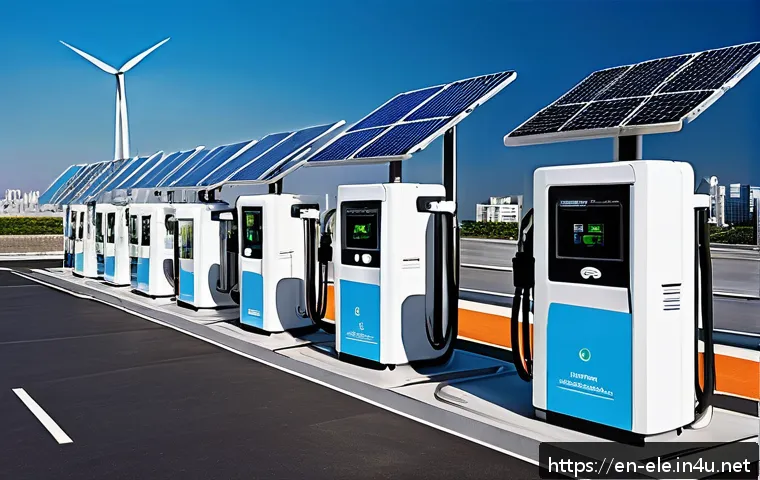
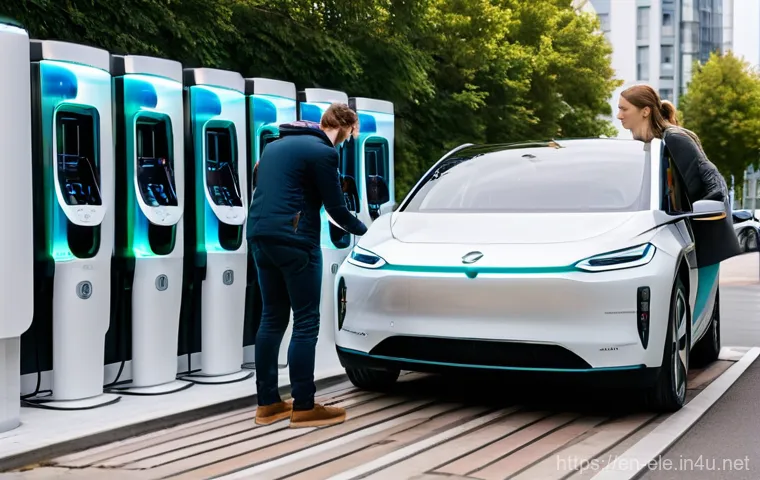
I don’t know about you, but seeing more and more electric vehicles (EVs) on the road just makes me smile. It’s such a tangible sign of progress towards a cleaner future. But getting those EVs charged up and integrated into our broader energy system is another massive undertaking that falls squarely on the shoulders of electrical engineers. It’s not just about plugging in a car; it’s about building out a robust charging infrastructure that can handle millions of vehicles, ensuring our grid can support this new demand, and even exploring how EVs can give *back* to the grid. I remember struggling to find charging stations just a few years ago, but now, thanks to dedicated engineers, they’re becoming increasingly common. These professionals are designing everything from residential charging solutions to massive fast-charging hubs, and they’re constantly innovating to make the charging experience faster, more efficient, and more user-friendly. It’s a truly exciting frontier where transportation and energy collide, and electrical engineers are the key players making it all happen.
Building Robust EV Charging Networks
The transition to electric vehicles hinges entirely on having a reliable and widespread charging infrastructure, and electrical engineers are the ones designing and deploying it. They’re tackling challenges like power capacity at charging sites, voltage drop over long cable runs, and the integration of these high-power loads into local distribution networks. They’re also developing smart charging solutions that can communicate with the grid, adjusting charging speeds based on grid demand and electricity prices. This ensures that the influx of EVs doesn’t overload the grid, especially during peak hours. I’ve seen some incredible advancements in ultra-fast charging technology, where engineers are pushing the boundaries of power electronics to deliver hundreds of miles of range in just minutes. It’s a complex balancing act between speed, efficiency, and grid stability, and it requires deep expertise in power systems, controls, and communications. Without these engineers, our EV dreams would stay parked.
Vehicle-to-Grid (V2G) Technologies
Here’s something truly revolutionary that electrical engineers are making possible: Vehicle-to-Grid, or V2G technology. Imagine your electric car not just drawing power from the grid, but also being able to *send* power back to it when needed. This transforms EVs from simple consumers into mobile energy storage units that can help stabilize the grid, especially with the increasing share of renewables. Engineers are developing the two-way charging hardware and sophisticated software that enables this interaction. They design the control systems that manage when an EV charges, when it discharges, and how it communicates with the grid to provide services like frequency regulation or peak shaving. I’ve personally been tracking pilot programs for V2G, and the potential is enormous – imagine millions of EVs acting as a distributed battery network, bolstering grid resilience and accelerating the integration of renewables. It’s a truly innovative area that showcases the incredible impact of electrical engineering in shaping our sustainable future.
Future-Proofing Our Planet: Emerging Roles and Technologies
It’s almost overwhelming, in the best possible way, to think about how quickly the clean energy landscape is evolving. And at every single turn, you find electrical engineers right there, pushing the boundaries of what’s possible. Their role isn’t static; it’s constantly expanding, adapting to new challenges and embracing groundbreaking technologies. I’ve personally observed that the demand for their specialized skills is just skyrocketing, from developing advanced grid cybersecurity protocols to exploring the potential of artificial intelligence and machine learning in optimizing energy systems. They’re not just building the present; they’re actively designing the future, anticipating needs that haven’t even fully emerged yet. It’s a career path that offers endless opportunities for innovation and a tangible sense of contributing to a better, more sustainable world. If you’re passionate about technology and the environment, honestly, there’s no more impactful place to be right now than in the shoes of an electrical engineer working in renewables.
AI and Machine Learning in Energy Systems
This is where things get really exciting for me! The integration of Artificial Intelligence and Machine Learning into energy systems is being spearheaded by, you guessed it, electrical engineers. They are applying AI to predict renewable energy generation more accurately, optimize grid operations in real-time, and even forecast energy demand with incredible precision. Imagine algorithms learning complex patterns in weather data to predict wind speeds or solar irradiance, allowing for better energy scheduling and storage management. Or AI-powered systems that can detect anomalies in grid performance and proactively prevent outages. I’ve been following developments in AI-driven predictive maintenance for turbines and solar arrays, which dramatically reduces operational costs and improves reliability. These engineers are essentially giving the grid a brain, allowing it to learn, adapt, and become exponentially more efficient. It’s a testament to how multidisciplinary this field has become, blending traditional engineering with cutting-edge data science.
The Evolving Toolkit of an Electrical Engineer
What I find truly fascinating is how the toolkit of an electrical engineer in renewables is constantly expanding. It’s no longer just about circuits and electromagnetism; it now encompasses aspects of cybersecurity to protect critical energy infrastructure, advanced data analytics to interpret vast amounts of grid data, and even communication protocols for interconnected smart devices. These engineers are becoming adept at using simulation software to model complex power systems, leveraging digital twins for real-time monitoring and optimization, and even working with robotics for inspection and maintenance in dangerous environments like offshore wind farms. I’ve had conversations where engineers talked about Python scripting for grid analysis or using virtual reality for system design reviews. It’s a dynamic and incredibly diverse field, requiring continuous learning and adaptation. Their ability to integrate these diverse technologies is what truly enables the clean energy transition to accelerate. It’s truly inspiring to see how they embrace new challenges and tools.
| Area of Impact | Electrical Engineer’s Role | Key Technologies/Concepts |
|---|---|---|
| Solar Energy Systems | Designing PV arrays, inverter integration, system optimization, grid connection. | Photovoltaic cells, Smart Inverters, MPPT algorithms, DC-AC Conversion. |
| Wind Energy Systems | Generator design, power conversion, grid integration, offshore cabling. | Variable-speed generators, Power Converters, HVDC transmission, SCADA systems. |
| Energy Storage | Battery Management Systems (BMS), power conversion, grid services integration. | Lithium-ion batteries, Flow batteries, Power Conversion Systems, Microgrid controls. |
| Smart Grid Development | Designing intelligent control systems, communication networks, data analytics infrastructure. | AMI (Advanced Metering Infrastructure), IoT devices, AI/ML algorithms, Demand Response. |
| Electric Transportation | EV charging infrastructure design, V2G integration, grid impact analysis. | DC Fast Chargers, Bidirectional Inverters, Smart Charging, Vehicle-to-Grid (V2G). |
Closing Thoughts
As we’ve journeyed through the incredible world of renewable energy, I hope you’ve gained a deeper appreciation for the unsung heroes behind it all: electrical engineers. Their brilliance isn’t just about understanding complex circuits; it’s about a relentless pursuit of a cleaner, more sustainable future for every single one of us. They are the true innovators, turning abstract visions into tangible power that lights up our lives, powers our homes, and drives our progress towards a truly green planet. Their dedication is something I deeply admire, and it’s clear their role will only become more critical as we accelerate our global energy transition.
Useful Information to Know
1. Did you know that the demand for electrical engineers specializing in renewable energy is absolutely booming? Companies across North America and Europe are actively seeking professionals with expertise in solar, wind, and smart grid technologies. This isn’t just a trend; it’s a foundational shift in the job market, reflecting the global commitment to green initiatives. If you’re considering a career path, this field offers incredible stability, innovation, and a chance to make a genuine impact. Many universities are now offering specialized programs to meet this growing need, making it easier than ever to dive in.
2. Ever heard of “grid defection”? While it sounds a bit extreme, it refers to homeowners or businesses disconnecting from the main utility grid, often using a combination of rooftop solar and battery storage. Electrical engineers are making this possible by designing efficient, reliable off-grid systems and microgrids. This concept is gaining traction not just for environmental reasons, but for enhanced energy security and independence, especially in areas prone to severe weather or unreliable power supply. It’s a fascinating glimpse into a decentralized energy future that’s becoming increasingly viable.
3. One of the coolest advancements I’ve personally seen is the development of floating solar farms, often called “floatovoltaics.” Electrical engineers are tackling the unique challenges of placing massive solar arrays on bodies of water like reservoirs and lakes. This approach not only conserves valuable land but also benefits from the cooling effect of the water, which can actually increase panel efficiency. They’re designing specialized anchoring systems, underwater cabling, and robust power electronics to withstand aquatic environments, truly pushing the boundaries of where and how we can generate clean energy.
4. You might be surprised to learn how critical cybersecurity has become in renewable energy. As our grids get smarter and more interconnected, they also become potential targets for cyber attacks. Electrical engineers are now at the forefront of designing secure communication networks and control systems for wind farms, solar plants, and smart grids. They’re implementing advanced encryption and intrusion detection systems to protect our vital energy infrastructure from malicious actors, ensuring the reliability and safety of our power supply. It’s a rapidly evolving area of expertise that combines electrical engineering principles with advanced digital security.
5. The concept of “energy communities” is something I find incredibly inspiring. Thanks to the work of electrical engineers, it’s becoming possible for neighborhoods or towns to collectively own and manage their renewable energy sources, such as community solar farms or shared battery storage. These engineers design the systems that allow for equitable distribution of generated power, manage billing, and integrate these local resources seamlessly with the broader grid. This fosters local economic benefits, increases energy literacy, and builds resilience from the ground up. It’s truly a collaborative effort, empowering communities to take charge of their energy future.
Key Takeaways
Electrical engineers are unequivocally the linchpin of the global clean energy transition, their expertise spanning every critical facet from generation to delivery. They are the visionary architects transforming raw natural forces like sunlight and wind into usable, stable electricity for our homes and industries. Their innovative work in designing robust smart grids ensures that diverse renewable sources can be seamlessly integrated and reliably managed, providing a stable and resilient power supply. Furthermore, their groundbreaking contributions to energy storage solutions are crucial for overcoming the intermittency of renewables, ensuring power is available precisely when and where it’s needed. Ultimately, these dedicated professionals are not just building infrastructure; they are engineering the very foundations of a more sustainable, electrified future, driving advancements that will benefit generations to come.
Frequently Asked Questions (FAQ) 📖
Q: What’s the biggest hurdle electrical engineers are currently tackling to get all that fantastic renewable energy reliably into our homes and businesses?
A: Oh, this is a truly fantastic question that gets right to the heart of the matter! From what I’ve personally observed, and having chatted with so many brilliant folks in the industry, the absolute biggest challenge electrical engineers are grappling with right now is something we call ‘grid integration.’ Think about it: traditional power plants generate electricity in a very predictable way.
But solar panels only work when the sun shines, and wind turbines need, well, wind! This intermittency makes balancing supply and demand incredibly tricky.
Electrical engineers are the master orchestrators, designing sophisticated systems and smart grids that can handle these fluctuations, store excess energy, and seamlessly direct power from various sources – whether it’s a massive offshore wind farm or your neighbor’s rooftop solar array – ensuring your lights stay on, no matter what.
It’s like a colossal, real-time jigsaw puzzle, and they’re constantly inventing new ways to make all the pieces fit perfectly. Honestly, it’s a truly complex dance, and they’re leading every step.
Q: Beyond the obvious solar panels and wind turbines, what are some of the other really cool, cutting-edge areas where electrical engineers are making a huge difference in clean energy?
A: That’s a super insightful question because it’s so easy to just picture those iconic images, right? But what truly excites me, having watched this space evolve with bated breath, are the incredible innovations happening behind the scenes.
Electrical engineers are absolutely critical in developing advanced energy storage solutions – we’re talking about next-generation batteries that are smaller, more powerful, and last longer, even exploring things like green hydrogen as a massive energy carrier.
Then there’s the entire electrification of transportation, which is a game-changer! They’re designing the charging infrastructure for electric vehicles, making sure our power grids can handle millions of EVs, and even optimizing the vehicles themselves.
And let’s not forget about smart grid technologies, which aren’t just about integrating renewables, but making our entire electrical infrastructure more resilient, efficient, and interactive.
It’s like they’re building the nervous system for our future energy world – truly incredible stuff that goes way beyond just collecting sun and wind!
Q: How exactly is technology, like artificial intelligence, changing the game for electrical engineers working in renewable energy projects?
A: AI, huh? It sounds a bit sci-fi, but trust me, it’s making a huge difference right now, and it’s something I’ve seen transform projects firsthand! For electrical engineers, AI is like having a super-powered assistant that can process vast amounts of data at lightning speed.
One of the biggest impacts is in predictive maintenance: instead of waiting for a wind turbine to break down, AI can analyze sensor data and predict exactly when a component might fail, allowing for proactive repairs.
This saves so much time and money, and keeps the clean energy flowing! It’s also revolutionizing energy forecasting, helping engineers predict how much solar or wind power will be generated, and how much electricity consumers will need.
This intel is absolutely crucial for balancing the grid. I’ve also seen AI being used to optimize the layout of solar farms or wind parks for maximum efficiency, and even manage smart grid systems in real-time.
It’s basically giving these brilliant engineers superpowers to make our clean energy systems smarter, more reliable, and incredibly efficient. It’s a truly exciting partnership between human ingenuity and cutting-edge tech!