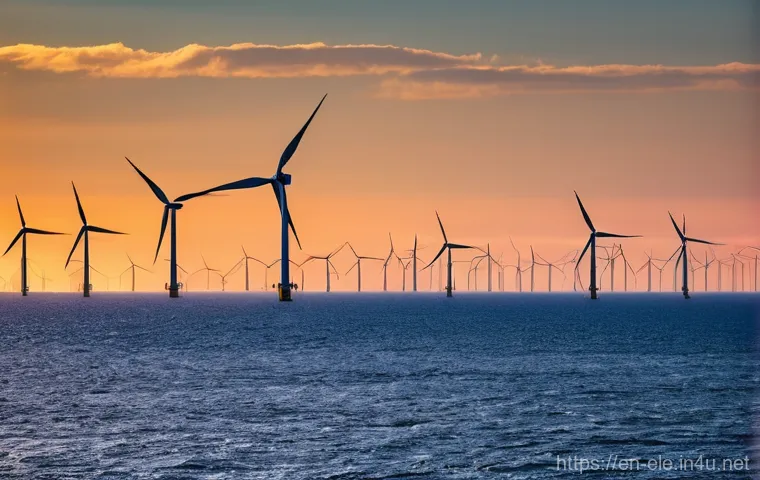
Hey there, energy enthusiasts! Have you ever truly considered the seismic shift happening in how we power our world? It’s genuinely thrilling, and at the core of this green revolution, wind power systems are absolutely soaring, quite literally!
I’ve been diving deep into this space, and it’s crystal clear to me: electrical engineers are the unsung heroes making it all happen. From designing those colossal offshore turbines you might see dotting the horizon, to implementing cutting-edge AI for smart grid integration, their expertise is indispensable in building our sustainable future and opening up incredible career paths.
If you’re as fascinated as I am by the brilliant minds and groundbreaking technology driving our increasingly wind-powered planet, then let’s explore this thoroughly!
The Wind Beneath Our Wings: Why Wind Power is a Game-Changer
Hey everyone, it’s truly wild to think about how much our energy landscape has transformed in just a few short years, isn’t it? What used to be a niche, almost futuristic concept, has absolutely exploded onto the scene, and I’m talking about wind power. When I first started digging into renewable energy, I saw the potential, sure, but I don’t think anyone truly grasped the sheer scale of the revolution we were about to witness. It’s more than just a buzzword; it’s a fundamental shift in how we power our homes, our businesses, and our entire economies. We’re talking about massive turbines stretching towards the sky, harnessing an ancient, endless force, and converting it into clean, usable electricity. From the bustling streets of New York to the quiet farmlands of the Midwest, you can see the tangible evidence of this change. It’s exhilarating to watch, and frankly, it’s a testament to human ingenuity and our collective commitment to a healthier planet. And let me tell you, for someone like me who’s been following this closely, the speed and scope of innovation are nothing short of breathtaking.
The Growing Global Appetite for Clean Energy
It’s no secret that the world is hungry for energy, but that hunger is shifting. The demand for cleaner, more sustainable sources is skyrocketing, and it’s a trend that’s only going to accelerate. People are more aware than ever of the environmental impact of traditional energy, and there’s a real push – from governments, corporations, and individuals alike – to embrace renewables. Wind power stands out as a colossal contender, offering a powerful, reliable, and increasingly cost-effective solution. I’ve personally seen how communities embrace new wind farms, not just for the clean energy, but often for the economic benefits and job creation they bring. It’s a win-win, truly.
From Niche to Necessity: Wind’s Dominance
Remember when wind turbines felt like a rare sight, almost an anomaly? Well, those days are long gone. Wind power has moved squarely into the mainstream, becoming an indispensable part of national energy grids across the globe. We’re building bigger, more efficient turbines, placing them in more strategic locations – both onshore and offshore – and refining the technology at an incredible pace. It’s no longer just an alternative; for many regions, it’s becoming the primary source of new electricity generation. This isn’t just about feel-good environmentalism; it’s hard economics and smart engineering driving this monumental shift.
Electrical Engineers: The Architects of the Wind Revolution
Honestly, when I think about all the amazing advancements in wind power, my mind immediately goes to the brilliant minds making it all happen: electrical engineers. These folks are the unsung heroes, the masterminds behind every spinning blade and every watt of clean energy that flows into our homes. It’s not just about erecting tall structures; it’s about intricate electrical systems, sophisticated controls, and seamless integration into complex grids. I mean, think about it: from the moment the wind hits those massive blades to the point where your smartphone charges, there’s an entire symphony of electrical engineering at play. Their expertise is absolutely critical, ensuring that these colossal machines operate efficiently, reliably, and safely. Without them, this green dream would remain just that – a dream. It’s inspiring to see how their problem-solving skills and innovative spirit are literally building the future.
Designing the Giants: Turbines and Generators
The heart of any wind turbine is its electrical system. Electrical engineers are the ones meticulously designing the generators that convert rotational energy into electricity. This isn’t a trivial task; these generators need to be incredibly robust, efficient, and capable of handling fluctuating power inputs. They also design the complex power conversion systems, often utilizing sophisticated electronics to ensure the output electricity is perfectly matched for grid requirements. It’s a high-stakes job where precision and innovation are paramount.
Grid Integration and Smart Energy Solutions
Getting the power from the turbine to your wall outlet is where things get really fascinating. Electrical engineers are at the forefront of designing the infrastructure that connects wind farms to the broader electrical grid. This involves everything from high-voltage transmission lines to advanced substation designs. They’re also heavily involved in developing smart grid technologies, using sensors, data analytics, and AI to optimize power flow, manage intermittency, and ensure grid stability as more and more renewable energy comes online. It’s a constant challenge that requires incredible foresight and technical prowess.
Powering Up: Diving Deep into Wind Turbine Design
Okay, let’s get a little geeky for a moment, because what’s happening inside those towering wind turbines is genuinely mind-blowing from an electrical engineering perspective. It’s not just a giant fan; it’s a meticulously designed power plant. I’ve had the chance to speak with engineers who work on these systems, and their passion for optimizing every single component is infectious. From the moment the kinetic energy of the wind starts turning the rotor blades, there’s an intricate dance of electrical conversion and control that takes place. The scale of the power involved, and the precision required to handle it, is truly a marvel. They’re constantly innovating, looking for ways to squeeze out every bit of efficiency and ensure reliability, even in the harshest conditions. This isn’t just theory for them; it’s about making sure the lights stay on for millions, sustainably. It’s a testament to how complex and rewarding this field can be.
The Intricacies of Electrical Systems in Turbines
Inside the nacelle – that big box at the top of the tower – is where most of the electrical magic happens. You have the generator, which can be a direct-drive or geared system, converting mechanical rotation into electrical energy. Then there are power converters, inverters, and sophisticated control systems that manage everything from blade pitch to voltage regulation. These systems have to be incredibly robust to withstand constant operation, often in extreme weather. Think about the high currents and voltages involved, and you’ll quickly appreciate the level of expertise needed to design and maintain these complex electrical architectures. It’s a symphony of semiconductors, sensors, and software, all working in harmony.
Keeping the Lights On: Reliability and Maintenance
One of the biggest challenges, and opportunities, is ensuring the continuous operation and reliability of wind turbines. Downtime means lost revenue and less clean energy. Electrical engineers play a crucial role in designing fault-tolerant systems, implementing predictive maintenance strategies, and developing advanced diagnostics. They’re constantly looking at sensor data to anticipate potential issues before they become major problems. My conversations with field engineers often highlight how critical it is to have robust electrical components that can endure years of continuous, demanding operation, and the clever solutions they come up with to keep everything humming along.
Connecting the Dots: Integrating Wind into the Grid
Now, getting that clean power from the wind farm into our homes and businesses isn’t as simple as plugging in a lamp. It’s a monumental engineering challenge, and frankly, one of the areas where electrical engineers really shine. Imagine trying to integrate a highly variable power source – because, let’s be real, the wind doesn’t always blow at the same speed – into a grid that demands constant, stable power. This is where the magic of grid integration comes in, and it’s a field brimming with innovation. I’ve always been fascinated by the sheer scale of the task: managing power flows across vast distances, balancing supply and demand in real-time, and making sure the entire system remains stable. It’s a delicate balancing act that requires cutting-edge technology and brilliant minds working together. This isn’t just about wires and transformers; it’s about creating a truly resilient and smart energy ecosystem for the future, and electrical engineers are leading that charge.
The Challenge of Intermittency and Storage
The intermittent nature of wind is often cited as a challenge. The wind isn’t always blowing, and when it does, it’s not always at the ideal speed. This creates fluctuations in power output that the grid needs to manage. Electrical engineers are designing sophisticated control systems and leveraging energy storage solutions, like massive battery banks, to smooth out these variations. They’re working on smarter ways to predict wind patterns and optimize power dispatch, ensuring that even when the wind isn’t cooperating perfectly, the grid remains stable and reliable. It’s a constant puzzle, and they’re solving it with incredible creativity.
AI and Machine Learning: Smarter Grids for a Wind-Powered Future
This is where things get really exciting! Artificial intelligence and machine learning are revolutionizing how we integrate wind power. Electrical engineers are using AI to forecast wind patterns with greater accuracy, predict potential equipment failures, and optimize the overall operation of wind farms and the grid itself. Imagine an intelligent grid that can anticipate changes in wind speed, adjust power output from different sources, and even redirect energy flows in real-time. It’s not science fiction; it’s happening right now, thanks to the innovative work of electrical engineers who are integrating these powerful computational tools into our energy infrastructure. This blend of traditional engineering and cutting-edge data science is paving the way for truly smart and resilient energy systems.
Beyond the Blades: Emerging Innovations and Future Prospects
If you thought wind power was impressive now, just wait. The future of this sector is absolutely bursting with innovation, and it’s something that genuinely gets me excited every single day. We’re not just building more turbines; we’re reimagining how they work, where they’re placed, and how they interact with other energy sources. It feels like we’re constantly on the cusp of a new breakthrough, and electrical engineers are right there, pushing the boundaries. From floating offshore giants that can tap into consistent, powerful winds far out at sea, to clever hybrid systems that combine wind with solar or storage, the possibilities are endless. I love seeing the sheer ingenuity, the relentless drive to improve and innovate, and the dedication to creating a truly sustainable energy future. This isn’t a static field; it’s dynamic, constantly evolving, and full of incredible opportunities for those with a passion for pushing what’s possible.
Offshore Wind: The Next Frontier
Offshore wind is a massive game-changer, and it’s where much of the cutting-edge electrical engineering is happening. Moving turbines further out to sea allows access to stronger, more consistent winds, leading to higher capacity factors. However, it also presents unique challenges: designing robust subsea cables, managing complex marine environments, and integrating vast amounts of power from a single location into onshore grids. Electrical engineers are developing advanced transmission systems, including HVDC (High-Voltage Direct Current) technology, to efficiently transport power over long distances from these massive offshore farms. The scale of these projects is truly staggering, and the electrical engineering involved is nothing short of heroic.
Hybrid Systems and Energy Storage Breakthroughs
The future isn’t just about wind alone; it’s about smart combinations. Electrical engineers are at the forefront of designing hybrid energy systems that combine wind with other renewables like solar, or integrate large-scale energy storage solutions. This approach helps to smooth out intermittency and provide a more reliable power supply. Imagine a wind farm coupled with a massive battery facility, or a wind-solar hybrid plant. These integrated systems require sophisticated control electronics and intelligent management algorithms, all designed by electrical engineers, to optimize power generation and consumption, ensuring maximum efficiency and grid stability. It’s about creating a truly resilient and diversified energy portfolio.
Your Green Career Path: Becoming a Wind Energy Electrical Engineer
For anyone out there looking for a career that’s not just fulfilling but also genuinely impactful, becoming an electrical engineer in the wind energy sector is, in my honest opinion, one of the smartest moves you can make right now. I’ve seen firsthand the incredible demand for skilled professionals in this field, and it’s only growing. This isn’t just a job; it’s a chance to be on the front lines of building a cleaner, more sustainable world. If you’re passionate about problem-solving, love working with cutting-edge technology, and want to contribute to something bigger than yourself, then this path is absolutely worth exploring. It’s a field that rewards curiosity, innovation, and a commitment to excellence. Plus, let’s be real, the job security and growth potential in green energy right now are phenomenal. It’s a career that will continue to challenge and inspire you for years to come, trust me on this one!
Essential Skills and Education
So, what does it take to join this exciting field? A solid foundation in electrical engineering, of course! This includes a strong understanding of power systems, control theory, electronics, and digital signal processing. Many specialized programs and certifications are emerging that focus specifically on renewable energy systems. Don’t underestimate the importance of practical skills, too – internships and hands-on experience are incredibly valuable. Beyond the technical, problem-solving, critical thinking, and a willingness to continuously learn are paramount. The technology is evolving so rapidly, you’ll need to stay on your toes!
Unlocking Opportunities in a Growing Field
The job market for electrical engineers in wind energy is booming. Opportunities span a wide range, from research and development, designing new turbine components, to project management, grid integration, and operations and maintenance. Companies are actively seeking talent to fill roles in everything from offshore wind farm development to smart grid optimization. This isn’t just about big corporations either; there’s a vibrant ecosystem of startups and specialized firms pushing innovation. It’s a field where your skills are in high demand, offering a fantastic pathway to a rewarding and impactful career.
Here’s a quick look at some key skills that employers are actively seeking:
| Skill Area | Description | Why It Matters in Wind Energy |
|---|---|---|
| Power Systems Analysis | Understanding of generation, transmission, and distribution of electrical power. | Crucial for designing efficient grid connections and managing power flow from wind farms. |
| Control Systems Design | Ability to design and implement systems that regulate turbine operation and grid interaction. | Essential for optimizing turbine performance, managing intermittency, and ensuring grid stability. |
| Renewable Energy Integration | Knowledge of how to connect intermittent sources like wind to existing grids. | Key for overcoming challenges of variable generation and maintaining grid reliability. |
| High Voltage Engineering | Expertise in designing and managing high-voltage components and transmission lines. | Vital for efficient power evacuation from large wind farms, especially offshore. |
| Data Analytics & AI | Skills in analyzing large datasets and applying machine learning for optimization. | Used for predictive maintenance, wind forecasting, and intelligent grid management. |
The Real-World Impact: Stories from the Front Lines
Okay, so we’ve talked a lot about the technical side, and believe me, it’s fascinating. But what truly drives me, and what I hope drives many of you, is the tangible, real-world impact of all this innovation. When I think about the electrical engineers I’ve met, the projects they’ve brought to life, and the sheer scale of clean energy now flowing into our communities, it fills me with a genuine sense of hope and purpose. This isn’t just about numbers on a spreadsheet or theoretical designs; it’s about cleaner air for our kids, stable energy prices for our economies, and a more resilient planet for future generations. I’ve heard stories from engineers who beam with pride when they talk about a wind farm they helped connect, knowing that it’s now powering thousands of homes. That’s the kind of legacy we’re building here, and it’s something incredibly special to be a part of. This work matters, deeply, and it’s a privilege to witness its evolution.
Personal Reflections on a Sustainable Journey
My journey into understanding renewable energy has been incredibly rewarding. What started as a curious interest has blossomed into a full-blown passion. I’ve personally visited wind farms, spoken with the people who build and maintain them, and seen the sheer scale of the operation up close. It truly puts into perspective the monumental effort and ingenious engineering required. Every time I drive past a wind turbine, I don’t just see a structure; I see a testament to human innovation, a symbol of our collective desire for a better future, and a reminder of the incredible work electrical engineers are doing to make that future a reality. It’s truly inspiring.
Why This Work Truly Matters
Beyond the technical brilliance and career opportunities, the core reason this field is so important is its impact on our world. We’re facing significant environmental challenges, and clean energy solutions like wind power are absolutely essential to addressing them. By contributing to this sector, electrical engineers are directly playing a role in reducing carbon emissions, combating climate change, and creating a healthier environment for everyone. Their work isn’t just about electricity; it’s about shaping a sustainable legacy, providing energy security, and proving that with ingenuity and dedication, we can power our world responsibly. That, to me, is the ultimate job satisfaction.
글을마치며
Whew, what a journey we’ve had exploring the incredible world of wind energy and the indispensable role electrical engineers play in shaping our sustainable future! It’s truly amazing to see how far we’ve come, moving from nascent ideas to global powerhouses capable of fueling millions of homes with clean, renewable electricity. This isn’t just a technological marvel; it’s a testament to human ingenuity and our collective commitment to a healthier planet. Every spinning blade, every precisely calibrated system, and every watt of power delivered tells a story of innovation, dedication, and a hopeful vision for what’s possible. I genuinely feel a sense of optimism when I look at the strides we’re making, and it’s an honor to share this unfolding revolution with all of you.
알아두면 쓸모 있는 정보
1. Offshore Wind is Skyrocketing: Seriously, the growth in offshore wind is absolutely phenomenal. We’re talking about massive wind farms miles out at sea, tapping into incredibly consistent and powerful winds that onshore sites just can’t match. This shift brings its own set of fascinating engineering challenges, from developing super-strong foundations to laying intricate undersea power cables. It’s a whole new frontier for clean energy, and the innovations coming out of this sector are just mind-boggling.
2. Energy Storage is the Secret Sauce: While wind is fantastic, it’s also intermittent—the wind doesn’t always blow when you need it most. That’s where energy storage, like giant battery banks or pumped-hydro systems, comes into play. Electrical engineers are designing sophisticated ways to store excess wind power during windy periods and release it when demand is high or the wind is calm, ensuring a stable and reliable grid. This integration is what makes wind a truly dependable power source.
3. AI and Machine Learning Are Game-Changers: It’s not just about bigger turbines anymore; it’s about smarter ones. AI and machine learning are revolutionizing how wind farms operate, from predicting wind patterns with astounding accuracy to optimizing turbine performance in real-time. These intelligent systems help minimize downtime, maximize energy capture, and ensure the entire grid functions like a well-oiled machine. It’s almost like the turbines are thinking for themselves!
4. Economic Boons Beyond Energy: Beyond the environmental benefits, wind energy projects are creating substantial economic opportunities. Think about the thousands of jobs in manufacturing, installation, operations, and maintenance—not just for engineers, but for skilled tradespeople, too. Many rural communities are finding new life and investment thanks to wind farm development, bringing tax revenues and local prosperity. It’s truly a multi-faceted positive impact.
5. A Vibrant Career Path: If you’re a budding engineer or looking for a career change, the wind energy sector is absolutely buzzing with opportunities. The demand for skilled electrical engineers, in particular, is immense and only growing. You could be designing the next generation of turbines, integrating complex systems into the grid, or developing AI solutions for smarter energy management. It’s a field where your work directly contributes to a sustainable future, offering immense personal and professional satisfaction.
중요 사항 정리
So, to wrap things up, it’s clear that wind power is not just a trend; it’s a foundational pillar of our global energy future, and electrical engineers are the undeniable architects of this revolution. We’ve seen how their expertise is crucial at every stage, from the intricate design of turbines and generators to the complex integration into smart grids, ensuring that clean, renewable energy efficiently powers our lives. The journey isn’t without its challenges, particularly with intermittency, but constant innovation, spearheaded by these brilliant minds, is continuously overcoming these hurdles with advanced storage solutions and cutting-edge AI. As someone who’s watched this field evolve, I can tell you that the future of wind energy is incredibly bright, promising not only a cleaner planet but also a wealth of exciting career opportunities for those passionate about making a real difference. It’s truly an inspiring time to be involved in this transformative industry!
Frequently Asked Questions (FAQ) 📖
Q: What exactly do electrical engineers do in the wind energy sector? It sounds fascinating, but I’m curious about the day-to-day!
A: Oh, where do I even begin? Their work is incredibly diverse and absolutely critical! From what I’ve seen and from chatting with countless pros in the field, electrical engineers are the heartbeat of wind power.
They start right at the drawing board, designing the intricate electrical systems within each wind turbine—think generators, power electronics, and sophisticated control systems that convert wind’s kinetic energy into usable electricity.
It’s not just the turbine itself, though. A massive part of their role involves seamlessly integrating these colossal wind farms into our existing electrical grid.
This means ensuring the power generated is perfectly compatible with the grid’s voltage and frequency, which is a HUGE undertaking. They design the transformers that boost voltage for long-distance transmission and engineer the substations that act as the vital connection points, including all the protective systems.
But their work doesn’t stop there! Once the turbines are up and running, electrical engineers are the ones managing operations, implementing systems like SCADA (supervisory control and data acquisition) to remotely monitor and control turbine performance, and collecting data for future analysis.
And let’s not forget maintenance! They’re constantly troubleshooting, conducting regular inspections, and upgrading components to keep everything running at peak efficiency and extend the lifespan of these amazing machines.
Believe me, without their expertise, those majestic turbines would just be really tall decorative structures!
Q: With all this buzz about green energy, what does the future hold for electrical engineers looking to get into wind power? Is it a stable career path?
A: This is a question I get a lot, and my answer is always a resounding YES! From my perspective, the future for electrical engineers in wind power isn’t just stable; it’s absolutely bursting with potential and growth!
The global shift towards renewable energy isn’t just a trend; it’s a fundamental change, and wind power is at its forefront. We’re seeing massive investments in wind energy projects worldwide, and that directly translates into a skyrocketing demand for skilled electrical engineers.
Think about it: countries are setting ambitious targets for renewable energy adoption, which means continuous development of new wind farms, both onshore and especially offshore.
This creates a long-term demand for experts in design, grid connection, operations, and maintenance. My conversations with industry leaders confirm that this sector is actively seeking talent, offering diverse career paths from hands-on engineering to project management and even cutting-edge research and development.
It’s an exciting time because even if you’re relatively new to the field, with a few years of solid experience in renewable projects, you can quickly become a highly valued specialist.
The pace of innovation means there’s always something new to learn and contribute to, which, to me, is the ultimate job security!
Q: Are there any particular challenges or groundbreaking innovations that electrical engineers are tackling right now in wind power that really excite you?
A: Oh, absolutely! This is where things get really thrilling, and honestly, it keeps me on the edge of my seat! One of the biggest challenges, especially as wind farms get larger and move further offshore, is getting that enormous amount of power efficiently and reliably from the turbines all the way to our homes.
Electrical engineers are constantly innovating to improve submarine export cables and ensure grid stability with fluctuating power inputs. It’s a complex puzzle involving advanced power system studies and potentially significant upgrades to our onshore transmission infrastructure.
What truly excites me, though, is the incredible integration of artificial intelligence (AI) into wind power systems. It’s not just a buzzword here; it’s a game-changer!
Electrical engineers are leveraging AI to optimize every aspect: from predicting wind patterns and power generation with astonishing accuracy to dynamically adjusting turbine settings in real-time to maximize energy production.
They’re even using AI to develop “digital twins” of turbines for predictive maintenance, allowing them to spot potential issues before they cause costly downtime.
Imagine AI-powered tools that can optimize wind farm layouts by strategically “steering” wakes from upstream turbines away from downstream ones, boosting overall output by a significant margin!
These innovations, driven by brilliant electrical engineers, are not just about making wind power more efficient; they’re about making it an even more reliable and indispensable part of our energy future.
It’s truly a testament to human ingenuity in action!