Have you ever felt that subtle, yet persistent tug, hinting it might be time for a profound professional pivot, even if your current career feels ‘secure’?
I’ve certainly navigated those waters myself, and I’ve witnessed countless talented individuals grappling with that exact sensation. The electrical field, once seen as purely traditional, is now undergoing an electrifying transformation, fueled by unprecedented advancements in renewable energy, groundbreaking smart grid technology, and the monumental global shift towards electric vehicles.
This isn’t just about small adjustments; it’s a seismic realignment, demanding professionals who are not only skilled but also adaptable and forward-thinking.
From my vantage point, having closely observed this dynamic industry for years, the opportunities for career transitions are simply staggering. We’re talking about seasoned electricians upskilling into advanced solar photovoltaic installation, power engineers retraining for large-scale battery energy storage systems, or even industrial electricians specializing in the intricate electrical systems of cutting-edge robotics.
Yes, the challenges of continuous learning and keeping pace with rapid tech cycles are real, but the rewards—often including significantly higher earning potential and profoundly meaningful work—are truly immense.
With billions pouring into green initiatives and a critical demand for skilled labor to build out the next-gen infrastructure, the talent gap is widening, making now an opportune moment.
This isn’t merely a job change; it’s a strategic leap into an indispensable sector that is actively shaping our collective future. Let’s find out more below.
Navigating the Evolving Landscape of Electrical Careers

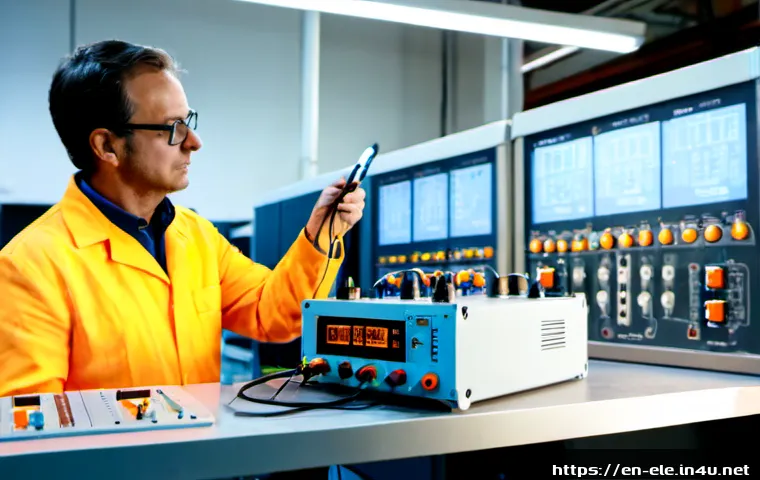
The very fabric of the electrical sector, once perceived as a bastion of tradition and stability, is now undergoing an extraordinary, almost seismic shift. If you’ve been working in this field for any length of time, you’ve undoubtedly felt the ground moving beneath your feet. I remember vividly a conversation with a seasoned industrial electrician who, after decades of working with heavy machinery and conventional power systems, was suddenly confronted with a factory floor buzzing with collaborative robots and AI-driven predictive maintenance systems. His initial reaction was a mix of awe and apprehension, a feeling I completely empathize with. This isn’t just about learning a new wiring diagram; it’s about fundamentally rethinking how electricity is generated, distributed, and consumed, pushing us into an era where innovation is the only constant. The drivers for this transformation are multifaceted, encompassing everything from the urgent global imperative for climate action to rapid advancements in digital technologies and a burgeoning public appetite for sustainable solutions. What excites me most, having followed this journey for years, is that this evolution isn’t closing doors; it’s actually swinging open entirely new ones, creating unprecedented avenues for skilled professionals to redefine their careers and amplify their impact. The key is understanding *where* those doors are and having the courage to walk through them, even if it feels a little daunting at first.
1. Reimagining Core Competencies for the Green Revolution
It’s easy to feel overwhelmed by the sheer pace of change, but at its heart, much of what we do in the electrical field remains fundamentally the same. The core principles of circuits, current, voltage, and resistance haven’t changed. What *has* changed is their application. I’ve personally coached many individuals who initially thought their existing skills were obsolete, only to realize that their foundational knowledge was, in fact, their greatest asset. Think about it: a deep understanding of AC/DC power, troubleshooting electrical faults, or ensuring safety protocols are meticulously followed—these are timeless skills. Now, imagine applying that meticulous troubleshooting skill set to a complex solar array that’s underperforming, or using your knowledge of power distribution to optimize a building’s smart energy management system. The skills needed are remarkably similar, just applied in a new context. This foundational strength provides an incredible launchpad, giving us a massive advantage over someone starting from scratch. It’s about recognizing that your current toolkit isn’t outdated; it simply needs new attachments and a refreshed perspective on its immense potential.
2. Embracing Digital Integration and Smart Systems
Here’s where things get truly fascinating. The convergence of electrical engineering with digital technology has given rise to entire new disciplines. I’ve watched as traditional electricians, initially skeptical of terms like “IoT” or “machine learning,” have become fascinated by how these technologies can transform their work. For instance, remote monitoring of grid infrastructure, predictive maintenance for wind turbines, or even intelligent building management systems that automatically adjust lighting and HVAC based on occupancy and weather — these are no longer futuristic concepts; they are daily realities. This shift demands a certain level of digital literacy, but it’s not about becoming a software engineer overnight. It’s about understanding how sensors, data, and connectivity can enhance traditional electrical systems, making them more efficient, resilient, and responsive. I recall a conversation with a friend who used to dread the unpredictable nature of power outages, but now, with smart grid technology, they can often predict and even prevent issues before they occur, all thanks to real-time data analysis and intelligent fault detection. It’s a remarkable evolution, empowering professionals to be proactive rather than reactive, leading to far more stable and efficient energy delivery systems.
Strategic Pathways to Reskilling and Upskilling for Future Demand
The burning question for many is, “Okay, I get it, but *how* do I actually make this transition?” It’s a valid concern, and one I’ve grappled with in my own career pivots. It’s rarely a single giant leap, but rather a series of deliberate, well-considered steps. The good news is that the industry is actively recognizing the need for skilled professionals in these emerging areas, leading to a proliferation of excellent training programs and certifications. It’s not just about formal degrees anymore; practical, hands-on experience gained through specialized courses can be incredibly valuable. I often advise people to start by identifying a niche that genuinely excites them—is it large-scale battery storage? Residential solar? Electric vehicle charging infrastructure? Once you have that focus, the pathways become clearer. For instance, I recently spoke with a former utility line worker who, after completing an intensive course in grid modernization, now consults on microgrid development for remote communities. His journey wasn’t about abandoning his past, but rather leveraging his profound understanding of power distribution in a completely new, forward-looking context, which is incredibly inspiring to witness.
1. Leveraging Industry Certifications and Vocational Training
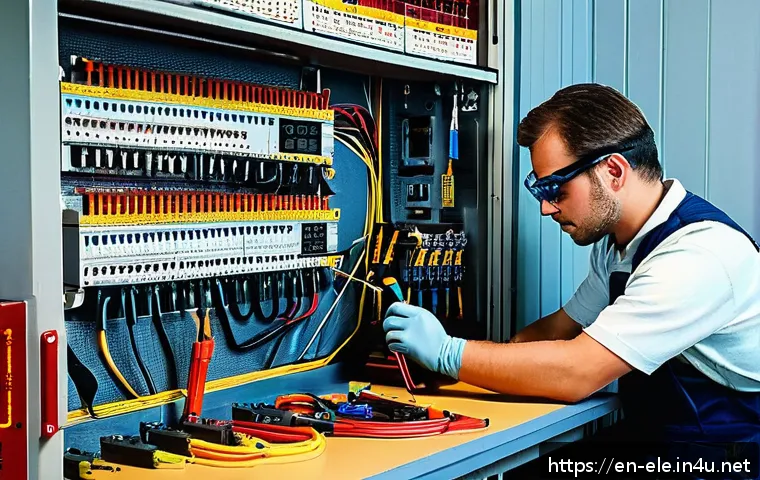
One of the most effective and often quickest routes to a new specialization is through targeted industry certifications. These are specifically designed to bridge skill gaps and equip professionals with the precise knowledge needed for emerging roles. I’ve seen firsthand how a highly specialized certification can transform a resume and open doors that were previously closed. For example, certifications in:
- Solar Photovoltaic (PV) Installation: Essential for those looking to enter the burgeoning solar energy sector, covering everything from system design, component selection, to safe and efficient installation practices for residential, commercial, and utility-scale projects.
- Electric Vehicle Service Equipment (EVSE) Installation: Crucial as the EV market explodes, focusing on the intricate electrical requirements, safety standards, and various levels of charging station installation and maintenance for both public and private use.
- Battery Energy Storage Systems (BESS): Gaining immense importance for grid stability, peak demand management, and renewable energy integration, covering everything from residential backup power solutions to large-scale, utility-level storage systems.
- Smart Grid Technology: Understanding the complexities of modern, intelligent power grids, including distributed generation, demand response, advanced metering infrastructure (AMI), and cybersecurity protocols relevant to grid operations.
These aren’t just pieces of paper; they represent a verified skill set that employers are actively seeking. Many vocational schools and community colleges offer these programs, often with flexible schedules to accommodate working professionals. Don’t underestimate the power of these focused training avenues; they are often the most direct path to a new, in-demand role, and they truly give you a competitive edge in a rapidly evolving job market.
2. Tapping into Online Learning and Professional Networks
In today’s digital age, the opportunities for self-paced learning are truly unprecedented. Platforms like Coursera, edX, and even specialized industry associations offer a wealth of courses, often developed by leading experts. While these might not replace hands-on certifications, they are invaluable for building foundational knowledge or exploring new areas before committing to a longer program. What I’ve personally found equally crucial, if not more so, is the power of professional networking. Attending industry conferences (even virtual ones!), joining professional organizations such as the National Electrical Contractors Association (NECA) or the Solar Energy Industries Association (SEIA), and engaging with online forums or LinkedIn groups can provide invaluable insights, mentorship opportunities, and even direct job leads. It’s about building your tribe—a community of like-minded professionals who are navigating similar transitions or are already thriving in the areas you want to enter. Many of my own significant career leaps have come through conversations and connections made within these networks. People genuinely want to help each other succeed, especially in fields experiencing such exciting growth, and simply reaching out can open up a world of possibilities.
Unlocking New Horizons: Career Opportunities and Their Impact
The transformation in the electrical field isn’t just about changing what we do; it’s about changing *where* we do it and the kind of impact we can have. This isn’t a subtle shift; it’s a full-blown revolution creating entirely new job categories that didn’t even exist a decade ago. I often tell people that pursuing these new roles isn’t just a career move; it’s an investment in a sustainable future. Imagine working on projects that directly contribute to reducing carbon emissions, powering homes with clean energy, or building the infrastructure for a fully electric transportation system. The sense of purpose that comes with such work is incredibly motivating, far beyond just the paycheck. I’ve witnessed seasoned professionals, who felt stagnant in their traditional roles, find renewed passion and energy by transitioning into these cutting-edge sectors. It’s exhilarating to be at the forefront of something so vital and transformative, knowing that your daily efforts are contributing to a healthier planet and a more resilient energy system for generations to come.
1. Promising Roles in Renewable Energy and Grid Modernization
The demand for talent in renewable energy is skyrocketing. We’re talking about roles across the entire lifecycle of projects, from initial design and installation to ongoing maintenance and optimization. Consider these examples:
- Solar PV Installation & Maintenance Technician: This role involves everything from site assessment and system design to the physical installation of solar panels on rooftops or large ground-mount arrays, followed by routine inspections and troubleshooting to ensure optimal performance.
- Wind Turbine Technician: Specializing in the installation, maintenance, and repair of colossal wind turbines, often involving working at significant heights and in challenging environments to keep these crucial clean energy generators operational.
- Energy Storage Engineer/Technician: Designing, installing, and managing large-scale battery energy storage systems (BESS) for grid stability, peak shaving, and integrating intermittent renewable sources, becoming increasingly vital for a resilient grid.
- Smart Grid Operations Specialist: Monitoring and managing intelligent grid systems, optimizing power flow, integrating distributed renewable sources, and using data analytics to predict and prevent outages, ensuring reliable and efficient electricity delivery.
These roles require a blend of traditional electrical expertise and new specialized knowledge, making them ideal for professionals seeking to pivot. The growth trajectory in these areas is steep, promising long-term stability and continuous opportunities for advancement. It’s genuinely exciting to be part of building the energy infrastructure of tomorrow, a system that is fundamentally cleaner, smarter, and more distributed than anything we’ve seen before.
2. The Electric Vehicle (EV) Infrastructure Boom
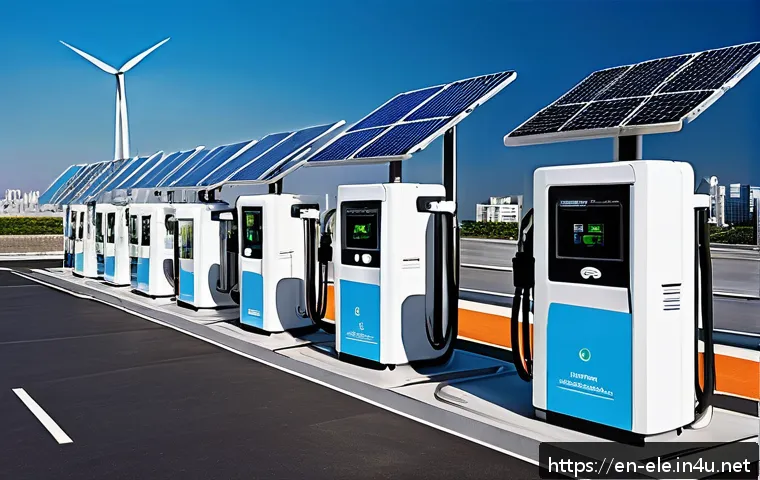
The shift towards electric vehicles is not just a trend; it’s a fundamental change in personal and commercial transportation. And every single EV needs a place to charge, which means a massive expansion of charging infrastructure is underway, both at home and in public spaces. This segment presents a wealth of opportunities for electrical professionals that are both immediate and rapidly growing. From my perspective, this is one of the most accessible and rapidly expanding areas for a career transition due to the sheer volume of charging stations that need to be installed, maintained, and even integrated with smart home or grid systems. It’s a gold rush for skilled electricians who understand the specific requirements of EV charging technology. This includes:
- EV Charging Station Installer: Specializing in the electrical wiring and setup of residential, commercial, and public charging stations, adhering to local codes and ensuring compatibility with various EV models.
- EV Infrastructure Project Manager: Overseeing large-scale deployment of charging networks for cities, businesses, or fleet operations, coordinating everything from site selection and permitting to installation and commissioning.
- EV Service Technician (Electrical Focus): While often requiring automotive knowledge, there’s a strong electrical component to diagnosing and repairing EV charging issues both on the vehicle and at the station.
The pace of innovation in this space is incredible, and being part of it means contributing to a cleaner, more efficient future for transportation. The demand is so high that specialized training in EV infrastructure is practically a guaranteed pathway to employment and a meaningful contribution to the de-carbonization of our transportation sector.
Financial Growth and Personal Fulfillment in a Transformed Sector
Let’s be candid: while passion and purpose are powerful motivators, financial stability and growth are also crucial considerations for any career change. What I’ve observed, and what makes me so enthusiastic about these transitions in the electrical field, is that they often come hand-in-hand with significant increases in earning potential. The specialized skills in renewable energy, smart grids, and EV infrastructure are in high demand, and that demand naturally commands higher salaries. Companies are actively competing for talent, understanding that these roles are foundational to their future success. I’ve seen electricians increase their income by 20-30% or more within a few years of specializing in these areas. It’s not just about the immediate pay bump, either; it’s about the long-term career trajectory, the opportunities for leadership, and the stability that comes from working in a growing, indispensable sector. This isn’t just a job; it’s an investment in your financial future, providing both immediate rewards and sustained prosperity.
1. Understanding the Earning Potential and Job Security
The simple economics of supply and demand are heavily in favor of skilled electrical professionals who embrace these emerging technologies. The talent gap is real, and it translates directly into competitive salaries and excellent benefits packages. When I consult with companies in these sectors, their number one challenge is consistently finding qualified personnel. This creates an environment of strong job security, even during economic fluctuations, because the underlying demand for clean energy and sustainable infrastructure remains constant and is often bolstered by government mandates and incentives. Here’s a brief look at how some of these roles stack up financially (figures are illustrative and vary widely by region, experience, and specific company within the United States):
| Role (Traditional vs. Modern) | Typical Annual Salary Range (USD) | Key Growth Drivers |
|---|---|---|
| Journeyman Electrician (Traditional) | $55,000 – $80,000 | Standard electrical needs, building maintenance, new construction |
| Solar PV Installer | $60,000 – $95,000 | Renewable energy mandates, falling cost of solar, tax incentives |
| EV Charging Station Technician | $65,000 – $100,000+ | Explosive EV adoption, massive infrastructure investment, public demand |
| Smart Grid Specialist | $70,000 – $120,000+ | Grid modernization efforts, energy efficiency, climate resilience, data integration |
As you can see, the specialized roles often come with a premium, reflecting the critical nature of these skills and the high demand for them in a burgeoning market. This isn’t just about making more money; it’s about investing in a career path that is inherently resilient and future-proof. You’re not just getting a job; you’re building a highly valuable expertise that will only become more sought-after as the energy transition accelerates.
2. Finding Purpose and Making a Tangible Impact
Beyond the financial incentives, there’s a profound sense of personal fulfillment that comes from working in these areas. I’ve spoken with countless professionals who describe a renewed sense of purpose. Imagine waking up knowing that your work is directly contributing to mitigating climate change, improving air quality in your community, or providing reliable, clean power to homes and businesses. This kind of impact is deeply satisfying. It’s not abstract; it’s tangible. You can point to a solar array you installed, a smart grid system you optimized, or an EV charging network you helped deploy, and say, “I did that. I helped build a better future for my community and the planet.” This sense of contribution, of being part of something bigger than oneself, is often cited as one of the most rewarding aspects of transitioning into these roles. It transforms a job into a mission, and that, my friends, is truly priceless, offering a deeper satisfaction that few other fields can match.
Overcoming Challenges and Building Resilience
Now, let’s not sugarcoat it: any significant career pivot comes with its own set of challenges. It’s not always a smooth, straight line, and there will be moments of doubt or frustration. I’ve certainly experienced them myself when venturing into new technological landscapes. Learning new technologies can feel like drinking from a firehose, and navigating a new industry segment means building new connections and understanding different regulations and specialized jargon. But here’s the thing: every single challenge is an opportunity for growth. The very act of pushing through these difficulties strengthens your resolve and expands your capabilities in ways you might not have imagined. Remember that seasoned industrial electrician I mentioned earlier? He found the initial learning curve for robotics steep, but the pride he now takes in troubleshooting those complex systems is palpable. His resilience paid off handsomely, both professionally and personally. This journey isn’t just about acquiring new skills; it’s about cultivating adaptability and a growth mindset, which are invaluable assets in any modern career, especially one undergoing such rapid evolution.
1. Navigating the Learning Curve and Embracing Continuous Education
The accelerating pace of technological change means that learning isn’t a one-time event; it’s a continuous process that will be with us for the foreseeable future. This might feel daunting, especially if you’re used to a more static career path where skills remained relevant for decades. However, think of it as an ongoing investment in yourself, an exciting opportunity to constantly expand your intellectual horizons. The good news is that the resources available for continuous education are vast. From online courses and industry webinars to hands-on workshops and manufacturer-specific training, there are countless ways to stay updated and build upon your existing knowledge. I’ve personally found that dedicating a few hours each week to reading industry journals, following thought leaders, or engaging with online professional communities makes a huge difference in staying current. It’s about developing a profound curiosity for what’s next and understanding that staying relevant means staying informed and proactively seeking out new knowledge. The industry truly values professionals who demonstrate a commitment to lifelong learning, and this dedication will powerfully set you apart in a competitive landscape.
2. Building New Networks and Seeking Mentorship
One of the biggest hurdles I’ve seen people face when transitioning is feeling isolated or unsure of where to turn for advice and support. That’s why building new professional networks is absolutely vital for success in these new ventures. Attend local industry meetups (check out events hosted by local chapters of professional organizations), join online forums focused on renewable energy or EVs, and don’t be afraid to reach out to people on LinkedIn who are doing what you aspire to do. Most professionals are incredibly generous with their time and advice, eager to share their experiences and insights. And perhaps most importantly, seek out mentors. A mentor who has already navigated a similar path can offer invaluable guidance, practical advice on specific technologies or certifications, and even open doors to opportunities you might not find otherwise. I’ve been fortunate to have several mentors throughout my career, and their insights have been instrumental in my own pivots and growth. Don’t underestimate the power of human connection in navigating professional change; it truly makes the journey less solitary, far more rewarding, and significantly increases your chances of finding meaningful success.
The Future is Electrified: Your Role in Shaping Tomorrow
If there’s one message I want to convey, it’s this: the electrical field is not just changing; it’s expanding in ways we could scarcely have imagined a generation ago. We’re on the cusp of an energy revolution, and skilled electrical professionals are at its very heart. This isn’t just about jobs; it’s about building the infrastructure for a more sustainable, resilient, and electrified future for everyone. From my perspective, having witnessed this evolution unfold, there has never been a more opportune or exciting time to be involved in this dynamic sector. The choices you make now, the skills you acquire, and the direction you pivot towards will not only redefine your own career path but will also play a tangible, crucial role in shaping our collective tomorrow. This is an invitation to be part of something truly monumental, to move from simply ‘doing a job’ to actively ‘building the future’ and making a profound difference in the world. The demand is there, the opportunities are vast, and your expertise is more valuable than ever. Are you ready to plug into this incredible transformation?
1. The Accelerating Pace of Innovation and Policy Support
What fuels my optimism for this sector isn’t just the current demand but the accelerating pace of innovation and the robust policy support it’s receiving globally. Governments worldwide are committing billions, sometimes trillions, to green initiatives, renewable energy deployment, and electric vehicle infrastructure, recognizing these as critical pillars for economic growth and environmental stewardship. This creates a stable and growing environment for investment and job creation that will persist for decades. New technologies are emerging constantly, from advanced battery chemistries that promise longer range and faster charging to groundbreaking grid-scale energy solutions and hyper-efficient EV charging protocols that will revolutionize transportation. This isn’t a fleeting trend; it’s a deep, systemic transformation driven by both economic and environmental imperatives that are impossible to ignore. Being part of this means you’re in a field that’s consistently at the forefront of technological advancement, ensuring long-term relevance and endless opportunities for learning and professional growth. I genuinely believe that the best is yet to come, and skilled electrical professionals are positioned to lead the charge, literally and figuratively.
2. Becoming an Indispensable Asset in the New Energy Economy
Ultimately, making a career transition into these emerging electrical domains isn’t just about personal advancement; it’s about becoming an indispensable asset to the new energy economy that is rapidly taking shape around us. As infrastructure evolves, the need for specialized skills will only intensify, making your expertise more critical than ever before. Companies will rely on professionals who can not only install and maintain traditional systems but also seamlessly integrate cutting-edge technologies, troubleshoot complex digital interfaces, and contribute to innovative, sustainable solutions from concept to implementation. Your expertise will be foundational to their success, placing you in a position of high value and strategic importance within any organization. I encourage you to see this not as a daunting pivot, but as an exciting, empowering opportunity to elevate your professional standing and secure a vibrant future in a sector that is not just growing, but is quite literally powering the world forward, building a cleaner, more efficient, and more sustainable tomorrow for all.
Closing Thoughts
The journey into the modernized electrical sector might seem vast, but it’s a path rich with potential and purpose. By embracing continuous learning, strategic upskilling, and a proactive mindset, you’re not just adapting to change; you’re actively shaping the future of energy. I truly believe that the electrical professionals of today are the architects of tomorrow’s sustainable world. Your skills are needed, valued, and poised to make an undeniable impact.
Useful Information
1. Explore Local Vocational Schools & Community Colleges: Many offer specialized certifications in solar, EVSE, and smart grid technologies, often with hands-on training and industry connections. Check out programs from institutions like your local community college or state-funded technical schools, which are often designed with local industry needs in mind.
2. Join Professional Organizations: Associations like the National Electrical Contractors Association (NECA) or the Solar Energy Industries Association (SEIA) provide valuable resources, networking opportunities, and often exclusive training programs and job boards. They are a treasure trove of information and connections for those serious about career advancement.
3. Leverage Online Learning Platforms: Websites such as Coursera, edX, or even specific manufacturer training portals offer flexible, self-paced courses to build foundational knowledge or delve into niche topics. Look for courses from reputable universities or industry leaders that align with your career aspirations.
4. Investigate Government Incentives: Federal and state governments in the U.S. often have grants, tax credits, or workforce development programs aimed at boosting the green energy sector. These can sometimes subsidize training costs, provide direct employment opportunities, or offer incentives for businesses to hire skilled workers in these emerging fields.
5. Connect with Mentors on LinkedIn: Don’t hesitate to reach out to professionals already working in your desired specialized areas. Many are genuinely willing to share advice, offer insights into their journey, and even provide valuable networking leads that can significantly accelerate your transition and open new doors.
Key Takeaways
The electrical sector is undergoing a profound transformation, driven by renewable energy, smart grids, and electric vehicles. This evolution creates unprecedented career opportunities with enhanced earning potential and deep personal fulfillment. Success hinges on embracing continuous learning, targeted certifications, and robust professional networking. By pivoting into these emerging areas, you become an indispensable asset, actively shaping a cleaner, more sustainable future for all.
Frequently Asked Questions (FAQ) 📖
Q: Given the rapid shifts in the electrical field, what are some of the most promising new roles or specializations emerging, and where should someone even begin looking to dive into them?
A: This is such a critical question because it’s easy to feel a bit lost in the sheer volume of change! From what I’ve seen on the ground, working with various companies and professionals, the real hotspots are in areas that touch on sustainability and smart technology.
Think about utility-scale battery storage system integration specialists – these roles are absolutely exploding as we move away from traditional power sources.
Or, consider EV charging infrastructure experts, who aren’t just installing chargers but designing entire grid-aware systems for commercial fleets and residential communities.
I’ve personally seen veteran electricians, who once focused purely on traditional building wiring, retrain and become invaluable certified solar PV commissioning technicians, making a huge impact.
It’s not just about ‘a job’ anymore; it’s about solving the energy puzzle, and that means a blend of hands-on skills with new digital and system-level knowledge.
My advice? Start by looking at what genuinely excites you within the ‘green’ or ‘smart’ space, then map out the specific skills gaps. Many community colleges and even equipment manufacturers now offer fantastic short courses and certifications that are surprisingly accessible.
Q: It sounds incredibly exciting, but for someone already established in a traditional electrical career, how realistic is it to make such a big pivot? What are the biggest hurdles, and how can they be overcome?
A: Oh, I totally get that apprehension! It’s like standing on the edge of a diving board, knowing the water’s great but also feeling that little quiver of “Can I really do this?” For someone with years of traditional electrical experience, the biggest hurdle often isn’t a lack of core skill, but the mental block around unlearning and relearning.
The good news? Your foundational knowledge of electrical principles is absolutely golden; you’re not starting from scratch! The challenge lies in adapting to new code standards, digital control systems, and specific technologies like high-voltage DC for renewables.
I’ve coached individuals who initially felt completely overwhelmed by the “smart” aspect. My experience tells me that breaking it down into manageable chunks, maybe starting with a specialized certification course in something like NEC Article 690 (Solar PV Systems) or NFPA 70E (Electrical Safety in the Workplace) for the new contexts, can make it feel far less daunting.
Also, don’t underestimate the power of networking! Talking to others who’ve already made the leap, finding a mentor – it’s invaluable. It’s less about a wholesale career change and more about a strategic upgrade of your existing, highly valuable skillset.
Q: Beyond the professional satisfaction and “doing good” for the planet, what’s the actual financial and long-term career outlook for these new electrical specializations? Is the investment in retraining truly worth it?
A: Absolutely, let’s talk brass tacks because, let’s be real, a career pivot often comes down to the bottom line, doesn’t it? From what I’ve seen and the data I’ve poured over, the financial upside is genuinely significant.
Roles in specialized areas like utility-scale renewable energy project management, advanced smart grid integration, or EV charging network development are commanding substantially higher salaries compared to traditional electrical positions.
We’re talking about a premium driven by acute demand and a severe talent shortage. For instance, a skilled solar project foreman or a battery storage technician can easily see their earning potential increase by 20-40% or even more in some markets, especially with specialized certifications.
Beyond just the immediate paycheck, there’s incredible job security. We’re not just building a few solar panels here or there; we’re fundamentally rebuilding our energy infrastructure on a global scale.
This means decades of work, innovation, and continuous growth. So, yes, the investment in retraining—be it time or money—is not just “worth it”; it’s a strategic move that sets you up for an incredibly robust, financially rewarding, and genuinely impactful career path for the long haul.
You’re not just getting a job; you’re securing a future.
📚 References
Wikipedia Encyclopedia
구글 검색 결과
구글 검색 결과
구글 검색 결과
구글 검색 결과
구글 검색 결과