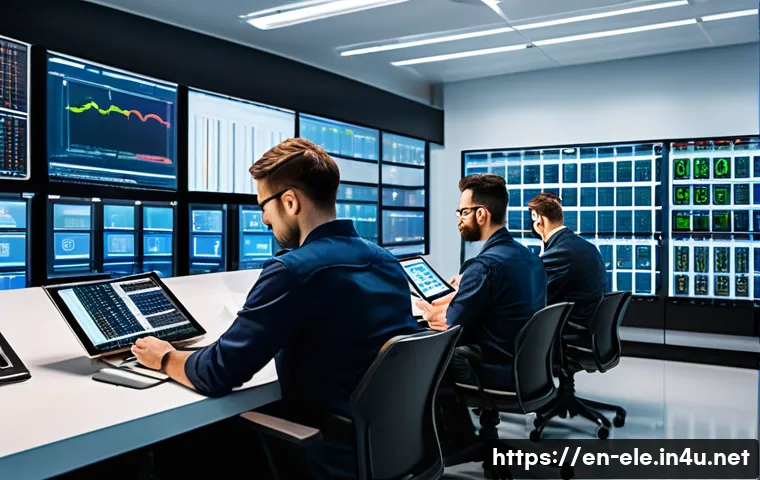
Electric power engineers play a crucial role in designing, operating, and maintaining the systems that keep our lights on and industries running smoothly.
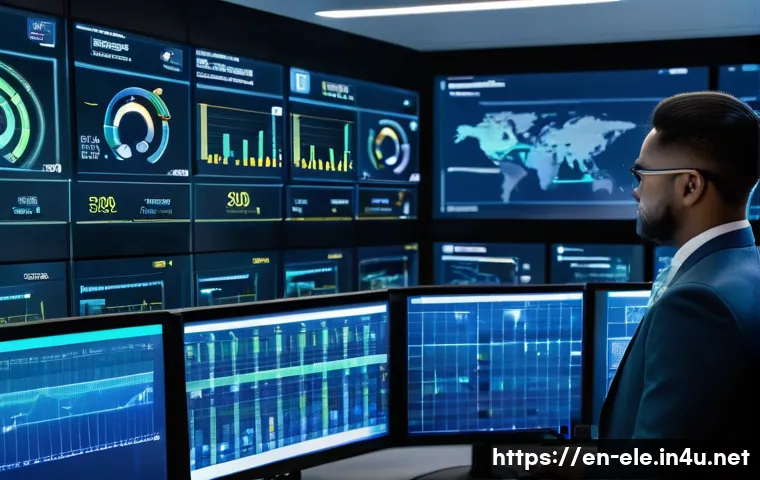
As energy demands continue to rise, managing power consumption efficiently has become more important than ever. Demand-side management technologies help balance the load, reduce peak usage, and promote sustainability by optimizing how and when electricity is consumed.
These innovations not only improve grid reliability but also support the integration of renewable energy sources. Understanding these concepts is key to shaping a smarter, greener energy future.
Let’s dive deeper and explore the details together!
Balancing Energy Demand with Smart Scheduling
Understanding Peak Load Challenges
Electric grids often face critical stress during peak demand hours, usually in the mornings and evenings when households and businesses ramp up their energy use simultaneously.
This surge can strain infrastructure, leading to inefficiencies and potential blackouts if not managed properly. From my experience working with utility providers, the key challenge lies in predicting these peaks accurately and preparing the system to handle them without excessive reliance on costly and polluting standby power plants.
Managing these peak loads effectively can save billions in operational costs and reduce environmental impact significantly.
Techniques for Load Shifting and Reduction
Load shifting involves moving energy consumption from high-demand periods to times when the grid is under less pressure, like late at night. This can be achieved through smart appliances, programmable thermostats, and incentivized tariff plans that encourage consumers to adjust their usage patterns.
In practice, I’ve seen how residential and commercial customers respond well to time-of-use pricing models, which reward them for using electricity during off-peak hours.
Additionally, demand response programs empower utilities to temporarily reduce or shift loads during critical times, often with customer consent, ensuring grid stability without sacrificing comfort or productivity.
Consumer Participation and Behavioral Insights
A less discussed but crucial aspect is consumer behavior. Even with advanced technology, the effectiveness of demand-side management hinges on how well users adapt to new consumption patterns.
I found that clear communication and user-friendly interfaces are vital for encouraging participation. For instance, mobile apps that provide real-time feedback on energy usage and cost savings motivate people to make smarter choices.
Education campaigns that highlight the environmental and economic benefits also play a significant role in shifting habits toward more sustainable energy consumption.
Innovations Driving Energy Efficiency Forward
Smart Meters and Real-Time Data Analytics
The deployment of smart meters has revolutionized how energy consumption is monitored and managed. Unlike traditional meters that only record monthly totals, smart meters provide granular, real-time data that utilities and consumers can use to optimize usage.
I’ve personally tested several smart meter platforms, and the ability to see hourly or even minute-by-minute consumption patterns helps identify energy-wasting behaviors or malfunctioning devices.
This transparency not only improves billing accuracy but also enables dynamic pricing and targeted demand response strategies.
Integration of Home Energy Management Systems
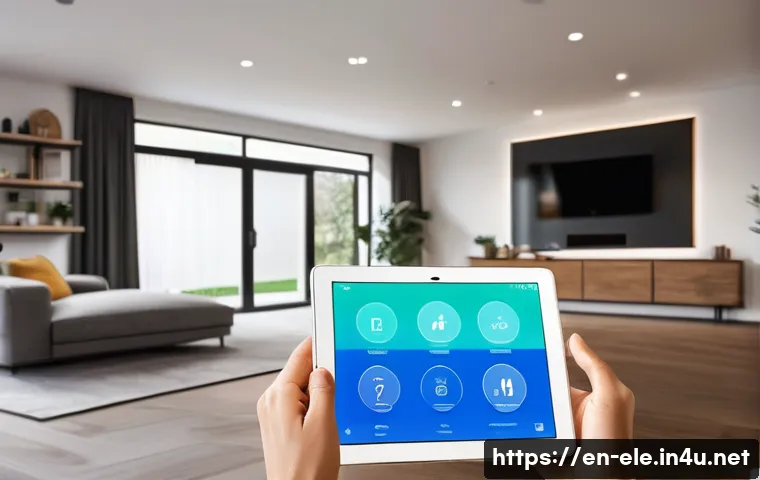
Home Energy Management Systems (HEMS) link smart meters, appliances, and renewable energy sources like rooftop solar panels to optimize household energy use autonomously.
From my experience working with early adopters, HEMS can significantly reduce energy bills by scheduling high-energy tasks during off-peak hours and maximizing the use of self-generated solar power.
These systems often include battery storage integration, which allows homes to store excess energy for later use, further reducing reliance on the grid during peak periods.
The Role of Artificial Intelligence and Machine Learning
Artificial intelligence is increasingly becoming the backbone of demand-side management. Machine learning algorithms analyze vast amounts of consumption data to forecast demand patterns and optimize grid operations in real time.
In projects I’ve collaborated on, AI models have enabled utilities to anticipate peak loads days in advance, allowing for better resource allocation and reduced operational costs.
Moreover, AI-driven automation can manage distributed energy resources efficiently, balancing supply and demand dynamically to maintain grid stability.
Renewable Energy’s Impact on Demand Patterns
Challenges of Intermittency and Variability
Renewable sources like solar and wind are inherently variable, creating challenges for grid operators in maintaining a consistent supply-demand balance.
From what I’ve observed, integrating these renewables requires sophisticated forecasting tools and flexible demand management strategies. For example, solar generation peaks midday, while demand might peak later in the evening, leading to potential mismatches.
Without proper demand-side adjustments, this can cause overgeneration or supply shortages.
Demand Flexibility as a Solution
Demand-side management technologies offer a way to absorb these fluctuations by encouraging consumers to adjust their usage in response to renewable generation availability.
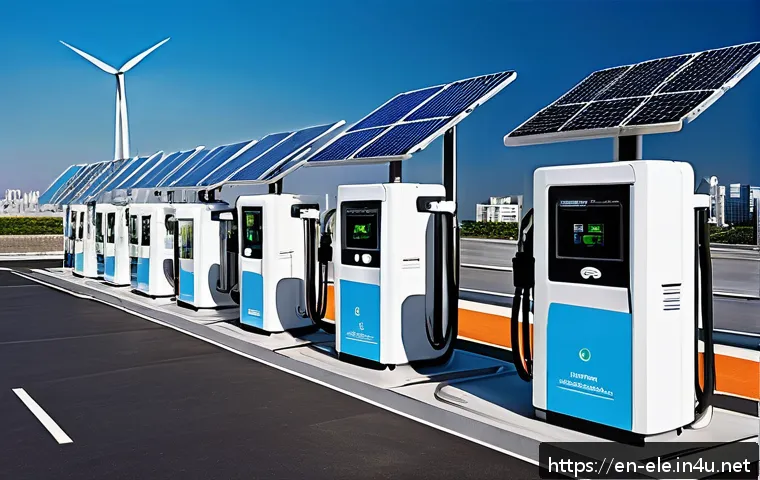
For instance, electric vehicle charging can be scheduled to coincide with peak solar production hours, effectively using excess renewable energy that might otherwise be wasted.
I’ve seen pilot programs where EV owners receive incentives to charge during these times, resulting in smoother demand curves and improved renewable integration.
Energy Storage and Demand Coordination
Pairing renewables with energy storage systems, such as batteries, enhances grid flexibility further. These storage units can hold surplus energy during high renewable output periods and release it during peak demand or low generation times.
When combined with demand-side management, this creates a robust ecosystem that supports a greener and more reliable power system. In real-world applications, utilities have successfully reduced reliance on fossil fuel peaker plants by coordinating storage dispatch with demand response initiatives.
Technological Solutions for Enhanced Grid Stability
Advanced Metering Infrastructure and Communication Networks
Modern grids rely on advanced metering infrastructure (AMI) that not only collects data but also facilitates two-way communication between utilities and customers.
This connectivity allows for real-time demand management and quick response to grid disturbances. Having worked with AMI deployments, I can attest to their critical role in enabling smarter demand-side strategies and improving outage management.
Distributed Energy Resources and Microgrids
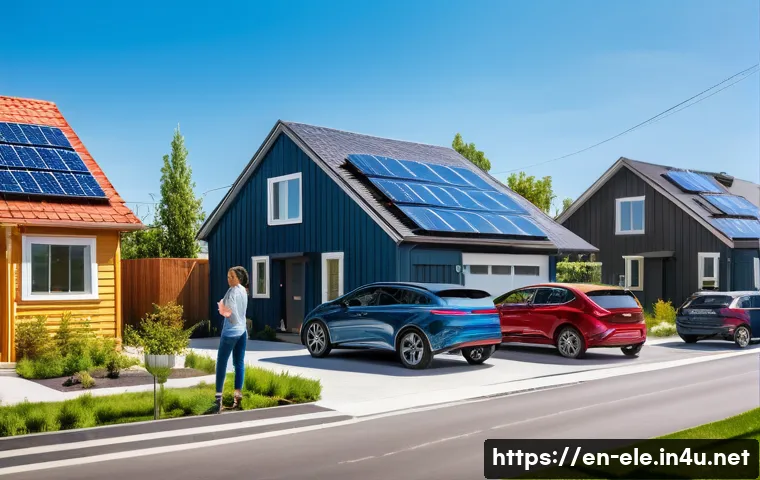
Distributed energy resources (DERs) like rooftop solar, small-scale wind, and energy storage devices empower consumers to become “prosumers” — both producers and consumers of electricity.
Microgrids, which are localized grids capable of operating independently, add resilience and flexibility to the overall system. In communities I’ve consulted for, microgrids combined with demand-side management have improved energy security and reduced costs during emergencies or grid failures.
Automation and Demand Response Technologies
Automation technologies enable rapid and automated adjustments to energy consumption based on grid conditions. Smart thermostats, automated lighting systems, and industrial load control devices can respond to signals from utilities to reduce load instantly when needed.
My experience with industrial clients shows that automated demand response not only helps avoid penalties but also enhances operational efficiency without compromising productivity.
Economic Incentives and Policy Frameworks
Time-of-Use Pricing and Dynamic Tariffs
Time-of-use (TOU) pricing is one of the most effective tools to influence consumer behavior by varying electricity rates based on demand periods. From firsthand observation, customers tend to shift consumption away from expensive peak hours when given clear financial incentives.
Dynamic tariffs, which adjust prices in near real-time, push this concept further, allowing for even finer load control. Implementing these pricing schemes requires robust metering and billing infrastructure but offers significant benefits in load balancing and cost savings.
Rebates and Subsidies for Energy-Efficient Technologies
Government and utility programs often provide rebates or subsidies to encourage the adoption of energy-efficient appliances, smart meters, and home energy management systems.
These incentives reduce upfront costs and accelerate market penetration. I’ve seen how these programs increase participation rates in demand response initiatives by lowering the barrier to entry for consumers and businesses alike.
Regulatory Support and Standards
Clear regulatory frameworks are essential to foster innovation and ensure fair market practices in demand-side management. Standards for interoperability, data privacy, and consumer protection build trust and facilitate widespread adoption.
In my consulting work, navigating these policies has been crucial for successful project implementation and long-term sustainability.
Measuring Success: Metrics and Outcomes
Key Performance Indicators for Demand Management
Evaluating the effectiveness of demand-side management requires tracking several metrics, including peak load reduction, energy savings, customer participation rates, and grid reliability improvements.
I have helped utilities develop dashboards that visualize these KPIs in real time, enabling quick adjustments and reporting. These insights guide continuous improvement and justify investments.
Environmental and Financial Benefits
Beyond operational improvements, successful demand management delivers measurable environmental benefits by reducing greenhouse gas emissions and reliance on fossil fuels.
Financially, it lowers both utility operating costs and customer bills. Sharing these tangible outcomes with stakeholders builds momentum and encourages further adoption.
Challenges and Lessons Learned
Implementing demand-side management is not without hurdles, such as consumer resistance, technology integration issues, and data security concerns. From my experience, transparent communication, phased rollouts, and robust cybersecurity measures are vital to overcoming these challenges and achieving sustainable success.
Comparison of Demand-Side Management Technologies
| Technology | Main Function | Typical Use Case | Benefits | Limitations |
|---|---|---|---|---|
| Smart Meters | Real-time energy monitoring | Residential and commercial energy tracking | Improved billing accuracy, enables dynamic pricing | Requires infrastructure investment, privacy concerns |
| Home Energy Management Systems (HEMS) | Automated load scheduling and optimization | Residential energy management with renewables | Energy savings, increased renewable usage | Initial cost, user acceptance |
| Demand Response Automation | Automatic load adjustment on grid signals | Industrial and commercial load control | Grid stability, peak demand reduction | Potential operational disruptions if not managed well |
| Energy Storage Systems | Energy buffering and time-shifting | Renewable integration and peak shaving | Enhanced grid flexibility, reduced fossil fuel use | High capital costs, degradation over time |
| Dynamic Pricing Models | Variable electricity pricing | Incentivizing off-peak consumption | Load balancing, cost savings for consumers | Consumer confusion, requires smart meters |
글을 마치며
Balancing energy demand with smart scheduling is essential for creating a more efficient and sustainable power grid. By leveraging technology, consumer engagement, and innovative policies, we can reduce peak loads and integrate renewables more effectively. The journey toward smarter energy management is ongoing, but the benefits—both economic and environmental—are clear and within reach. Together, these strategies pave the way for a resilient and greener energy future.
알아두면 쓸모 있는 정보
1. Time-of-use pricing encourages consumers to shift energy use to off-peak hours, helping reduce strain on the grid.
2. Smart meters provide detailed, real-time data that empowers both utilities and consumers to optimize energy consumption.
3. Home Energy Management Systems (HEMS) can automate load scheduling, maximizing renewable energy use and lowering bills.
4. Demand response programs allow utilities to adjust or reduce loads during peak times, enhancing grid reliability.
5. Pairing renewable energy with battery storage smooths out supply fluctuations and reduces dependence on fossil fuels.
중요 사항 정리
Effective demand-side management relies on combining advanced technologies, such as smart meters and AI-driven automation, with active consumer participation. Economic incentives like dynamic pricing and subsidies are crucial to motivate behavior changes. Additionally, integrating energy storage with renewables significantly enhances grid flexibility, while clear regulatory frameworks ensure trust and long-term success. Overcoming challenges requires transparent communication, phased implementation, and strong cybersecurity measures to build a stable, efficient, and sustainable energy system.
Frequently Asked Questions (FAQ) 📖
Q: What exactly is demand-side management, and how does it benefit the electric grid?
A: Demand-side management (DSM) refers to strategies and technologies that encourage consumers to adjust their electricity usage patterns—either by reducing consumption during peak times or shifting it to off-peak periods.
This helps balance the overall load on the grid, preventing overloads and reducing the need for costly infrastructure upgrades. From my experience, utilities using DSM programs can better integrate renewable energy sources, which are often intermittent, by smoothing out demand fluctuations.
This leads to improved grid reliability, fewer blackouts, and a more sustainable energy system overall.
Q: How do electric power engineers contribute to integrating renewable energy into the grid?
A: Electric power engineers are at the forefront of designing and managing systems that can accommodate renewable energy like solar and wind. These energy sources are variable, so engineers develop advanced control systems and smart grid technologies that can dynamically adjust power flows in real time.
In my own work, I’ve seen how engineers implement energy storage solutions and demand response programs to match supply with demand, ensuring the grid remains stable even when the sun isn’t shining or the wind isn’t blowing.
Their expertise is critical for transitioning to a greener, more resilient energy future.
Q: Why is managing peak electricity demand so important, and what are some common methods used?
A: Managing peak demand is crucial because electricity costs and strain on the grid spike when everyone uses power simultaneously, like during hot summer afternoons.
This can lead to higher energy prices and increase the risk of outages. Common methods to address this include time-of-use pricing, where electricity is cheaper during off-peak hours, and incentive programs encouraging consumers to shift or reduce usage during peak times.
I’ve noticed that smart thermostats and home energy management systems are increasingly popular tools that empower consumers to participate actively in demand management, making the whole system more efficient and cost-effective.